I’ve always had a soft spot for the quiet magic of plants—whether it’s the first green shoot breaking through soil in spring or the way a well-tended garden can turn a backyard into a little slice of paradise. My grandmother taught me that gardening isn’t just about growing things; it’s about patience, curiosity, and the joy of watching life unfold right before your eyes. Here, I share the lessons I’ve learned along the way, from picking the right seeds to troubleshooting common pitfalls, so you can cultivate not just plants, but confidence in your green thumb.
Growing grass in planters lets you have a vibrant green lawn anywhere—balconies, patios, or even indoors. 🌱 I’ve turned my concrete porch into a lush mini-lawn using just the right grass type and a few smart tricks. The…
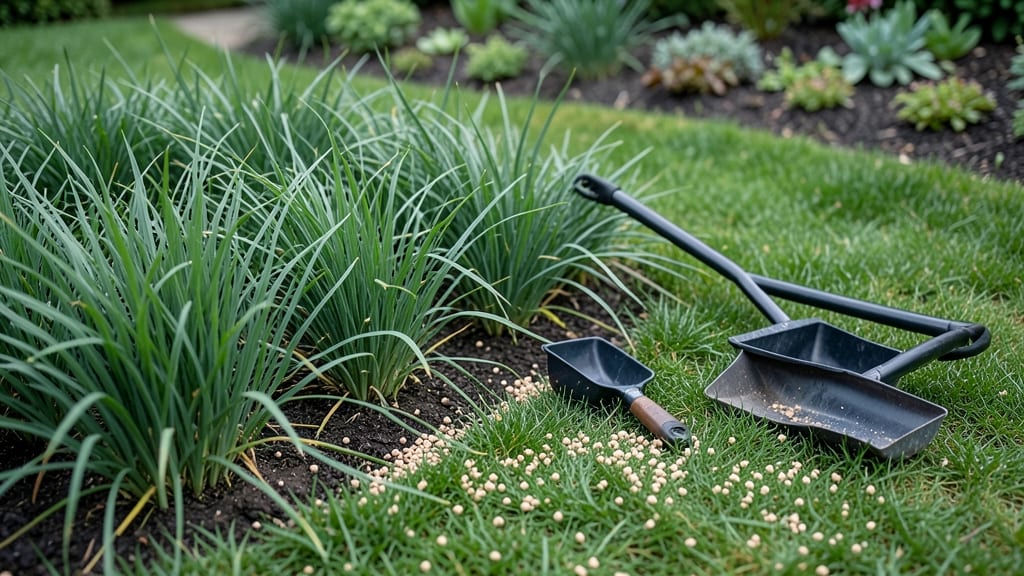
💥 Quick Answer To fertilize cool season grass, time applications for early fall (September–October) to boost root development, followed by a lighter dose in late winter (February–March) before spring regrowth. Your USDA…
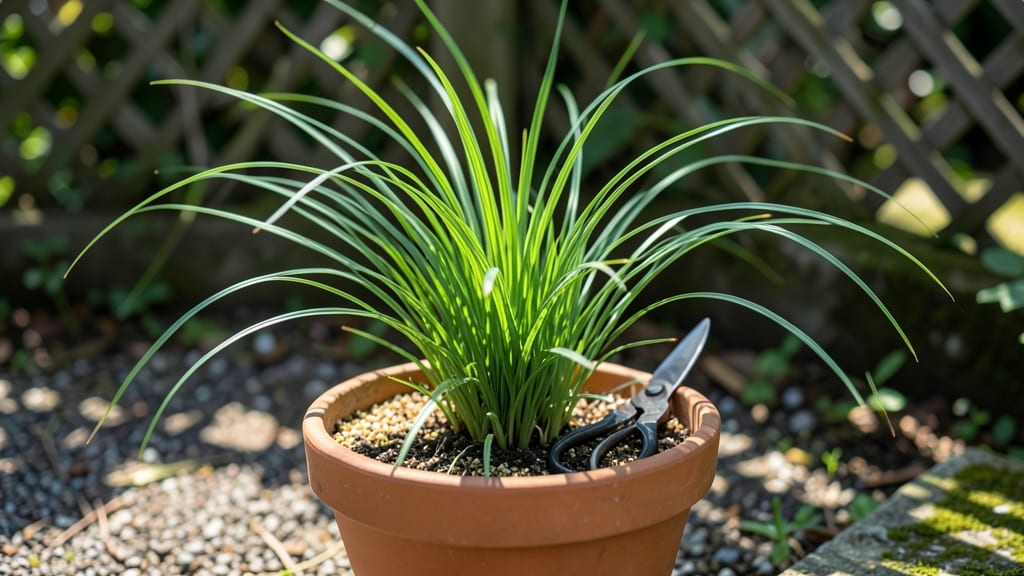
💥 Quick Answer Freezing lemon grass preserves its vibrant citrusy aroma and flavor for up to 6 months by first trimming stalks, wrapping tightly in plastic wrap, then storing in airtight containers or freezer bags…
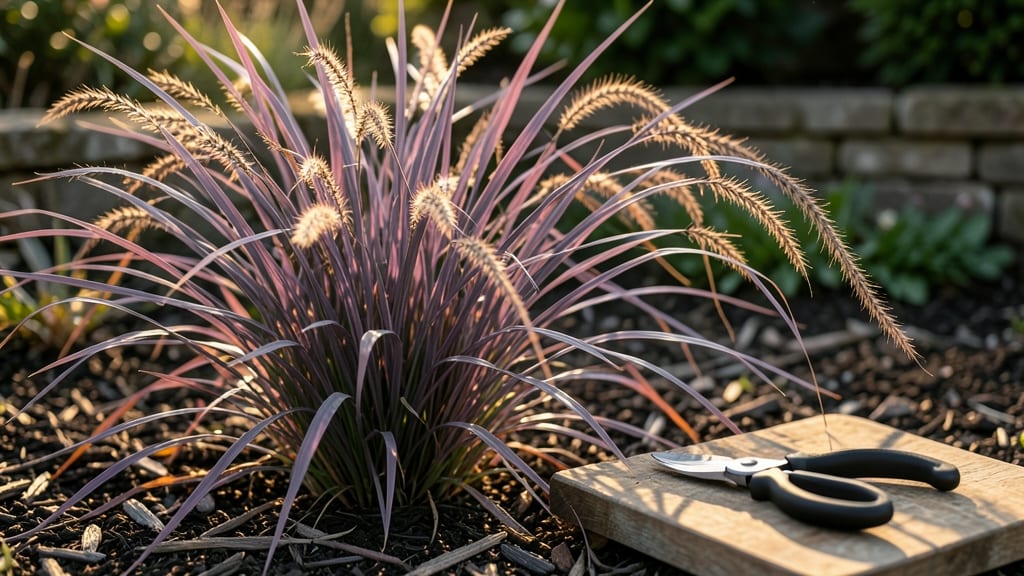
💥 Quick Answer To cut back purple fountain grass ( Pennisetum spp.), time it by your climate: in warm zones (USDA 8-11), trim back in late winter or early spring before new shoots appear, while in cooler zones (USDA…
💥 Quick Answer To fertilize sod, time it for early spring or late summer when grass roots are actively growing, using a slow-release nitrogen fertilizer to protect tender blades. Avoid fertilizing during extreme heat…
💥 Quick Answer The best time to fertilize your grass is during early spring (March–April) and fall (September–October), when soil temperatures and root activity create ideal conditions for nutrient uptake. Skip…
💥 Quick Answer Grass fertilizer is toxic when improperly handled, particularly for pets and children, because it contains concentrated nitrogen, phosphorus, and synthetic chemicals such as 2,4-D or glyphosate. Strictly…
💥 Quick Answer To determine how much topsoil for sod, spread 2 to 4 inches evenly over the prepared base—adjusting for soil type (sandy areas need up to 6 inches, while fertile soil may require less). Always add a…
💥 Quick Answer White mold on grass isn't dangerous to humans in most cases, but it can seriously damage lawns by choking grass blades, blocking sunlight, and creating conditions for worse infections. While common types…
💥 Quick Answer Are leaves bad for grass? They’re not inherently harmful, but thick accumulations suffocate blades, block sunlight, and trap moisture, creating ideal conditions for fungal growth and root suffocation over…