
Diseases
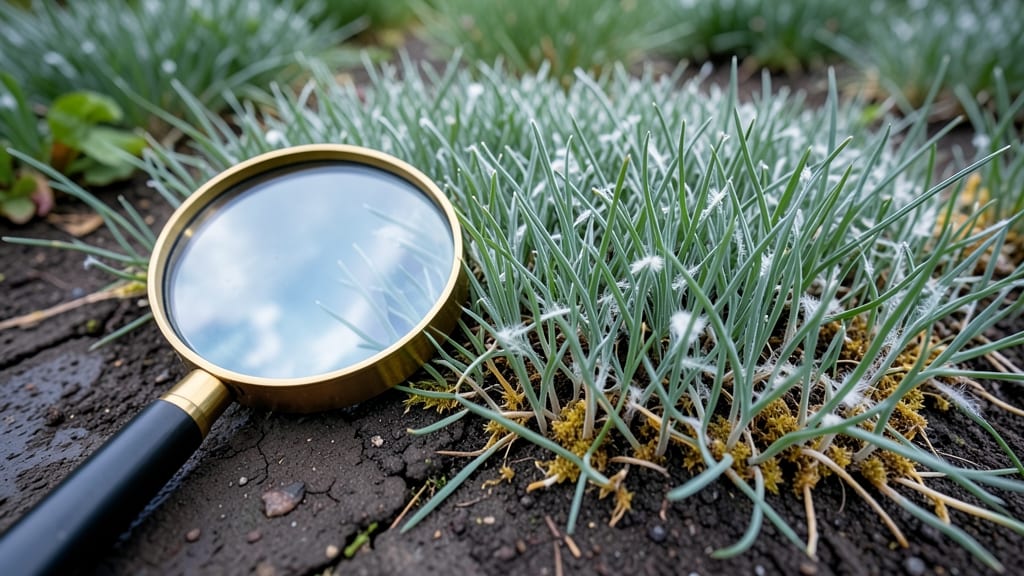
White mold on grass isn't dangerous to humans in most cases, but it can seriously damage lawns by choking grass blades, blocking sunlight, and creating conditions for worse infections. While common types like powdery mildew are mostly harmless unless they spread heavily, aggressive strains like Sclerotinia need prompt removal to save your yard.
White mold's danger depends entirely on the type and how much it spreads. 🌱 Most varieties, like powdery mildew, are more of an eyesore than a health threat—they don't produce toxins that harm people or pets.
However, the real risk comes from how it smothers grass, preventing nutrients and water from reaching the roots. I've seen lawns go from lush green to patchy brown overnight when mold takes over, especially in humid conditions.
The key is acting fast before it creates a breeding ground for more serious fungal diseases.
That said, some white molds—like the one caused by Sclerotinia—can release spores that weaken grass over time, making it vulnerable to other pests. The good news is that most types respond well to simple removal methods, like raking or vinegar sprays, before they become a major problem.
Prevention is always easier than cleanup!
💡 In This Article
- Types of White Mold on Grass and Their Toxicity Risks
- How to Safely Remove White Mold from Grass Without Damaging Lawns
Types of white mold on grass and their toxicity risks
White mold on grass comes in several forms, each with distinct characteristics and risks. The most common type is powdery mildew (Erysiphe spp.), which appears as a white, powdery coating on blades and spreads rapidly in warm, humid conditions.
This mold thrives when grass receives less than 4 hours of sunlight daily or when nighttime temperatures hover around 70-80°F.
While powdery mildew rarely produces toxins harmful to humans or pets, its thick growth can smother grass, reducing photosynthesis by up to 50% and weakening the lawn's resilience to other diseases.
Another frequent offender is Sclerotinia (white mold), which forms dense, fuzzy white patches that eventually turn brown and crusty. Unlike powdery mildew, Sclerotinia produces hard, black sclerotia (resting bodies) that can survive in soil for years, waiting for ideal conditions to reemerge.
This type is more aggressive, often killing grass within 2-4 weeks if left untreated. The key difference? Sclerotinia thrives in cooler temperatures (60-75°F) and high humidity, while powdery mildew prefers warmth.
Both types are harmless to touch but can trigger allergic reactions in sensitive individuals due to airborne spores.
Visual identification is crucial for determining the right response. Powdery mildew looks like dusting flour on grass blades, while Sclerotinia forms larger, irregular patches with a cottony texture. Run your fingers over the growth—powdery mildew will brush off easily, whereas Sclerotinia's fuzzy layer may cling stubbornly.
If you spot dark, hard structures (sclerotia) embedded in the thatch, you're likely dealing with Sclerotinia, which requires more aggressive treatment. 🌿 Most pet owners can relax, though: neither type produces toxins that would poison animals if ingested in small amounts, though large consumption might cause mild stomach upset.
Lawn health suffers most from white mold's secondary effects. Both types create a microclimate that traps moisture, encouraging bacterial and fungal infections like Fusarium or Rhizoctonia. Over time, this leads to brown patches, thinning grass, and increased weed invasion.
The real danger isn't the mold itself but the weakened state it leaves your lawn in—making it vulnerable to pests like grubs or chinch bugs.
Think of it like a cold that leaves you susceptible to worse infections; white mold is the initial problem that opens the door for bigger issues.
For pet owners, the bigger concern is the mold's impact on grass quality rather than direct toxicity. Dogs and cats might track spores indoors, potentially triggering allergies in sensitive household members.
The spores themselves aren't dangerous, but the mold's presence signals poor lawn health—meaning your pets might be exposed to pesticides if you opt for chemical treatments. Always opt for organic removal methods first, like raking or hydrogen peroxide sprays, to minimize chemical exposure while restoring your lawn's health.
Here's what to watch for in your yard: If the white growth appears patchy and dusty, it's likely powdery mildew. If it forms large, fuzzy circles with dark centers, you're dealing with Sclerotinia. Both require action, but the latter demands immediate attention to prevent spread.
The good news? Most white molds respond well to early intervention—raking, improving airflow, and adjusting watering schedules can often reverse the damage before it becomes permanent. 💫