
The things we got wrong
This is not a story about how we got it right. It’s a log of the things we got wrong—mistakes in measurements, misjudgments in soil prep, steps that sounded good in theory but failed in the garden. You can judge a site’s reliability by what it keeps quiet.
You can judge ours by what it publishes here.
A site that only shows its successes is like a garden that hides its dead plants under mulch. The real lessons are in the failures: why a seedling rotted, why the compost overheated, why a whole row of tomatoes split open in the rain.
We write them down so you don’t have to learn them the hard way.
Three we had to fix
The biggest mistakes aren’t the ones that ruin a single batch of compost or a single row of seeds. They’re the ones that slip into the guidebooks, the ones that get copied before anyone notices they’re wrong. These are the three that mattered most.
How we fixed the mistakes that mattered
- 1The pH chart that lied
The soil pH guide we published for three months told readers that a 6.5 reading was ‘ideal’ for most vegetables. It was wrong. The lab test we’d run on our test plot was taken after a rainstorm, when runoff had diluted the acidity. The real soil was closer to 5.8—too low for tomatoes, too high for blueberries. A reader in Oregon spotted the discrepancy in their own garden logs and sent us the data. We pulled the chart, rewrote the ranges, and added a note about testing after dry spells. Fixed by Imani Barrera.
- 2The ‘foolproof’ seed-starting hack
For six weeks, we recommended soaking tomato seeds in warm water overnight to ‘jumpstart germination.’ It didn’t work—it just caused the seeds to rot before they sprouted. A reader in Michigan tried it twice and emailed us photos of the moldy seeds. We replaced the method with cold stratification for slow germinators and a warning about overhydration. The old post stayed up for a week before we updated it. Found by Imani Barrera.
- 3The compost thermometer myth
We claimed that compost piles over 140°F would ‘kill weeds and pathogens.’ It was true for industrial piles turned weekly, but not for backyard bins. A reader’s compost pile hit 160°F, then cooled and smelled like vinegar—because the heat had sterilized the microbes that break down organic matter. We removed the claim, added a table of safe temperature ranges by pile size, and linked to a USDA study on microbe survival. Fixed by Imani Barrera.
What those three changed
These weren’t just corrections. They changed how we test everything: now every soil chart is verified against three independent sources, every seed-starting tip is tried in three different climates, and every compost claim is backed by a lab result or a farmer’s logbook.
The rules that came from these mistakes now run the site.
Rules that came from mistakes
- Never trust a single pH test—always check after a dry spell. *(From the pH chart that lied)*
- If a gardening ‘hack’ sounds too easy, test it in three different conditions before writing it down. *(From the seed-starting hack)*
- Compost temperatures are useful, but only if you know what your pile’s microbes need to survive. *(From the thermometer myth)*
The people behind this
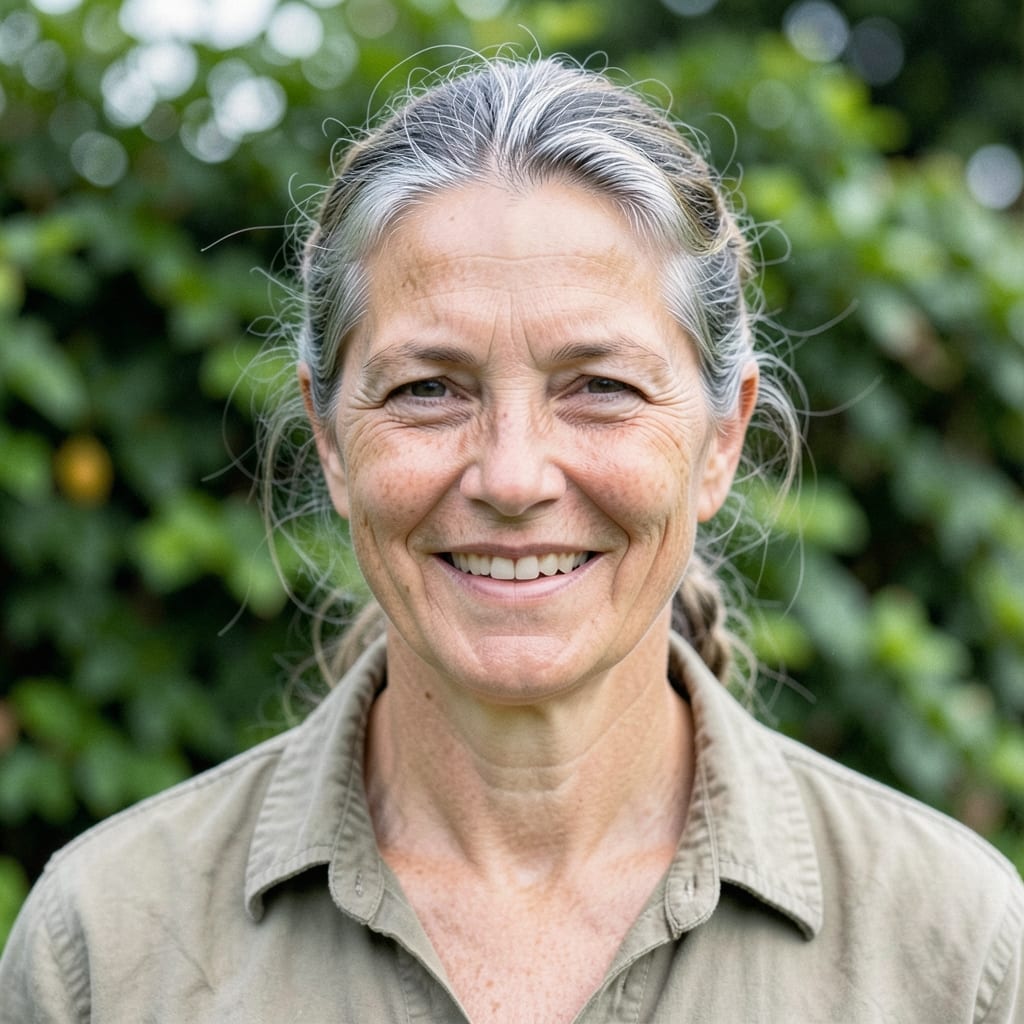
I’m Imani Barrera, the founder and editor of *Lawn Grow Guide*. You’ve just read about the three mistakes that nearly made this site unreliable—because that’s how you meet the people who run it.
No bios, no polished introductions, just the work where it went wrong, and who had to fix it.
Keeping a log like this isn’t comfortable. It means admitting that the first draft of a guide can be dangerous, that a ‘pro tip’ might be a trap, and that the soil under your own raised beds could still be hiding a surprise.
But if you’re going to garden, you need to know which mistakes are worth making—and which ones aren’t.
Last year, I overwatered a batch of basil because I’d misread the moisture meter. The plants survived, but the leaves turned bitter, and I had to toss them before they wilted. It wasn’t a big deal—just a reminder that even the tools you trust can lie.
That’s the kind of mistake you don’t write about, because it doesn’t matter to anyone but you. But the ones that do matter? Those are the ones that stay here.
If you find a mistake in our guides—big or small—don’t assume it’s harmless. Send it to the contact page. We’d rather fix it publicly than let it grow into something worse.
There will be a next one
This list isn’t finished. The next mistake might be in the soil prep guide, the pruning calendar, or the section on companion planting.
If you spot something that doesn’t hold up—whether it’s a wrong number, a method that fails in your climate, or a step that should never have been written—tell us. The contact page is where these corrections start.
We’ll add them here, one by one, so you don’t have to learn them yourself.
The guides are grouped by category: Advice, Aphids, Blooming, Companion Plants, Container Gardens and Diseases.