
Lawn
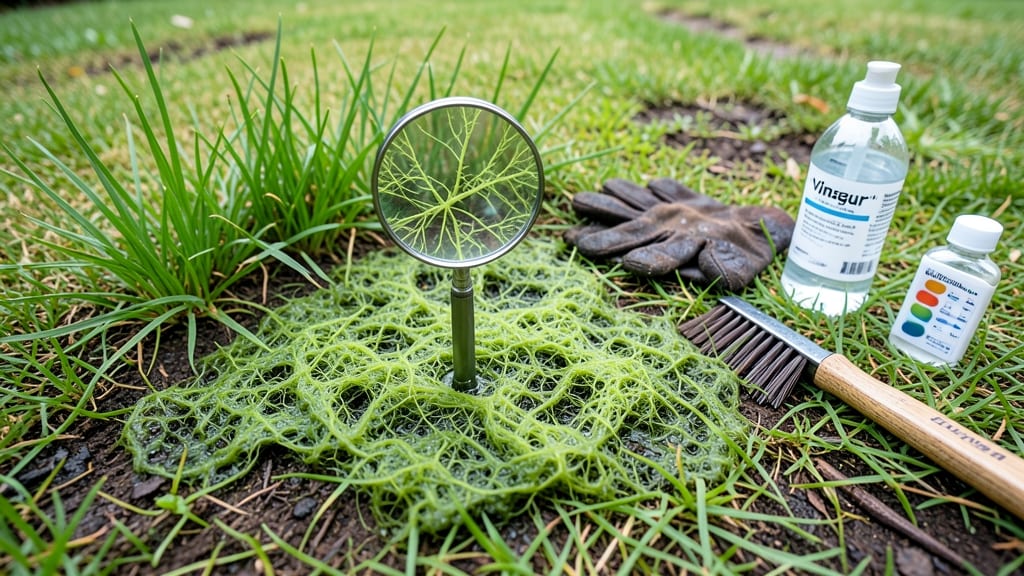
Lawn algae isn't typically dangerous to humans or pets, though it often signals underlying lawn health issues. While most common types pose little risk, certain algae blooms can produce toxins that harm aquatic life and may cause skin irritation or respiratory discomfort in sensitive individuals. Proper removal helps restore grass vitality and prevents further spread.
Most lawn algae you'll encounter—like the green film that appears after rain—is completely harmless. 🌱 The real concern comes when blue-green algae (cyanobacteria) blooms occur, which can release toxins dangerous to pets and even humans if ingested or inhaled.
These toxic blooms are more common in stagnant water or poorly maintained lawns with excess nitrogen. Even non-toxic algae can smother grass roots, so removing it promptly helps your lawn recover faster.
Lawn algae thrives in shady, damp areas with poor drainage, so fixing these conditions is key to prevention. I've found that a simple mixture of water and white vinegar (1:1 ratio) works well for spot treatment, while improving airflow with proper mowing height and aeration tackles the root cause.
Always wear gloves during removal, especially if you suspect toxic blooms, as direct contact with certain algae can irritate skin.
💡 In This Article
- Toxicity Levels of Common Lawn Algae Types
- Safe Algae Removal Techniques for Healthy Lawns
Toxicity levels of common lawn algae types
Most lawn algae you'll find—like the slimy green film called Oedogonium or the filamentous Spirogyra—are completely non-toxic to humans and pets. These types primarily compete with grass for nutrients, creating that unsightly mat but posing no direct health risks.
The concern arises with cyanobacteria (often mistakenly called blue-green algae), which can produce potent toxins like microcystins when conditions are right—think stagnant water, excessive heat (85°F+), and high nitrogen levels from fertilizers.
Cyanobacteria toxins work by damaging liver and nervous system cells in mammals, including pets.
A single exposure to contaminated water can cause symptoms like vomiting, diarrhea, or even liver failure in severe cases. 🔥 What's alarming is how quickly these toxins develop: under ideal conditions, a harmless-looking bloom can turn toxic within 24-48 hours.
Even non-toxic algae can become problematic when they block sunlight, suffocating grass roots and creating ideal conditions for fungal growth.
Skin contact with certain algae—especially cyanobacteria—can trigger allergic reactions in sensitive individuals, manifesting as rashes, itching, or even blistering. The irritation comes from compounds like lyngbyatoxin, which disrupts cell membranes.
This is why lawn care experts recommend wearing gloves during removal, particularly in areas with standing water or after heavy rain when bloom risks peak. The good news? Most common lawn algae lack these compounds entirely.
Ecologically, toxic algae pose greater risks to aquatic life than humans. Microcystins, for example, can kill fish by shutting down their oxygen-processing systems, creating dead zones in ponds or drainage systems. This is why proper lawn maintenance—like fixing poor drainage—helps prevent both health hazards and environmental damage.
The key difference lies in the algae's origin: freshwater blooms are far more likely to be toxic than those growing in well-drained lawns.
Identifying toxic blooms requires looking for specific visual cues: pea-soup green water, scum layers, or water that smells earthy or musty. These signs often appear in late summer when temperatures and nutrient levels peak.
If you suspect a toxic bloom, avoid contact and consult local environmental agencies—they can test water samples for toxin levels. Most lawn algae, however, will simply wash away with proper care, leaving no lasting harm behind.