
Lawn
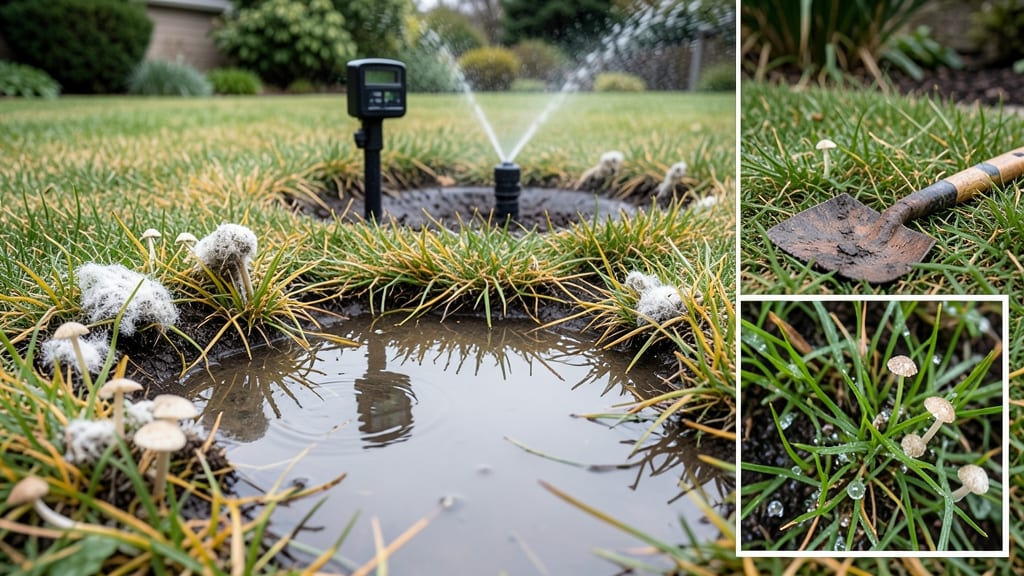
Standing water in your lawn isn’t just a nuisance—it’s a silent killer of grass roots. 🌱 I’ve watched my own lawn turn from lush green to a sad, spongy mess after heavy rains, and I learned the hard way that drainage isn’t just about aesthetics—it’s about keeping your turf alive.
The good news? Fixing it is simpler than you think, and the results are worth the effort.
Most standing water comes from compacted soil, poor grading, or clay-heavy dirt that won’t let water seep through. My first fix was aerating the lawn in the fall, which let air and water move deeper into the soil.
Adding a layer of organic compost also helped break up the clay over time. The key is working with your soil, not against it—even small changes make a big difference.
Once you improve drainage, you’ll see dry, healthy grass within weeks. The roots strengthen, the color deepens, and you’ll finally be able to walk across it without sinking.
No more muddy patches or that musty smell after rain—just a lawn that stays vibrant all season long. Here’s how to get started without breaking the bank.
This works for any lawn size, from small backyards to larger properties. The methods scale, and the best part? You’ll save money on repairs down the road. Let’s turn that soggy mess into a dry, thriving turf base once and for all.
Root Causes Of Lawn Puddles
Standing water in your lawn isn’t just an eyesore—it’s a sign that your yard’s drainage system is struggling. Understanding the why behind these pesky puddles is the first step to fixing them.
Below, we break down the most common culprits, backed by science, so you can tackle the problem at its source.
The foundation of your lawn is the soil beneath it, and if it’s compacted or lacks proper structure, water has nowhere to go. Here’s how soil plays a role:
- Clay-heavy soil acts like a sponge that won’t release water.
Clay particles pack tightly, creating tiny air pockets that fill with water instead of draining it away. 💧 - Sandy soil drains too quickly, but if it’s not mixed with organic matter, it can’t hold moisture long enough for grass roots to absorb it—leading to uneven water retention. - Compacted soil (often from foot traffic, heavy machinery, or construction) crushes soil particles, reducing pore space for water to seep through.
Actionable fix: Test your soil’s composition with a simple jar test (fill a jar with soil and water, shake, then observe drainage speed). Amend clay soil with compost or sand, and aerate compacted areas to restore porosity.
Your lawn’s slope—or lack thereof—directly impacts water flow. If your yard is flat or graded incorrectly, water pools instead of flowing toward storm drains or lower elevations.
- Flat terrain creates a "bowl effect," trapping water in the lowest spots. Even a slight incline (1–2%) can make a huge difference in drainage.
- Reverse grading (where the ground slopes toward your house) forces water to pool near foundations, sidewalks, or driveways.
Actionable fix: Use a level or laser tool to check slopes. For flat areas, create gentle contours (1–4% grade) to guide water away. For reverse grading, regrade the slope to direct water away from structures.
Underground drainage systems (like French drains, swales, or municipal sewers) are designed to handle excess water. But if they’re clogged, damaged, or overwhelmed, standing water becomes inevitable.
- Clogged drains from sediment, roots, or debris restrict water flow, causing backups.
- Improperly sized systems can’t handle heavy rainfall, especially in urban areas with hard surfaces (like driveways) that increase runoff.
- Broken or collapsed pipes redirect water to the surface instead of diverting it underground.
Actionable fix: Inspect visible drains for blockages (remove debris, trim roots). If your system is old or undersized, consult a drainage specialist to upgrade it. For DIYers, install a French drain (a perforated pipe surrounded by gravel) to redirect water.
If your lawn sits near a natural water source (like a river, lake, or underground aquifer), the water table—the level at which soil becomes saturated—may be too close to the surface.
- In wet climates or low-lying areas, the water table rises during heavy rains or snowmelt, forcing water upward through capillary action.
- Even in dry spells, some soils (like clay) hold moisture longer, keeping the water table elevated.
Actionable fix: Plant deep-rooted grasses (like tall fescue) that can tolerate wet conditions. Install surface drains or swales (shallow trenches) to capture and redirect water before it pools.
Wind, rain, and foot traffic can erode soil, washing away top layers and filling drainage paths with sediment. This disrupts natural water flow and creates low spots where puddles form.
- Gully erosion (deep channels carved by runoff) diverts water unpredictably, leaving dead zones.
- Sediment from upstream (like construction sites or bare soil) clogs drainage paths, reducing their capacity.
Actionable fix: Stabilize eroded areas with mulch, ground covers, or erosion control blankets. Redirect runoff with berms (small ridges) or grassed waterways to slow water flow naturally.
Sometimes, the problem isn’t underground—it’s right underfoot. Objects or landscaping choices can block water from draining properly.
- Compacted or paved areas (like patios or walkways) prevent water from absorbing into the soil, increasing surface runoff.
- Low spots under decks, sheds, or play structures act as catch basins for water, creating persistent puddles.
- Debris or thatch buildup in lawns (like thick layers of dead grass) blocks water from penetrating the soil.
Actionable fix: Remove obstructions and redirect water with diversion channels or permeable pavers. For thatch, dethatch in spring to restore soil contact.
Mother Nature plays a role too. Heavy rainfall, prolonged wet spells, or even snowmelt can overwhelm even the best-drained lawns.
- Intense rainfall (common in storms or monsoon seasons) can exceed soil absorption rates, leading to temporary flooding.
- Freeze-thaw cycles expand and contract soil, creating cracks that fill with water and later seal shut, trapping moisture.
Actionable fix: While you can’t control the weather, improving soil structure and adding organic matter helps it absorb and release water more efficiently. Consider rain gardens or dry wells to capture excess runoff during downpours.
Dense grass, weeds, or overgrown shrubs can compete with your lawn for water and space, exacerbating drainage issues.
- Thick thatch layers (over ½ inch) block water from reaching the soil.
- Aggressive ground covers (like creeping Charlie or moss) smother grass roots, reducing their ability to absorb moisture.
Actionable fix: Overseed bare spots, dethatch annually, and mow high (3–4 inches) to encourage deep root growth. Replace invasive plants with drought-tolerant grasses like Buffalo grass or Zoysia.
Pro Tip: 💡 Don’t wait for puddles to dry up—test your lawn’s drainage now! Dig a small hole (6–12 inches deep), fill it with water, and time how long it takes to drain. If it takes longer than 6 hours, your soil needs help.
Quick Fixes for Soggy Lawn
Standing water in your lawn isn’t just an eyesore—it’s a silent threat to your grass’s health. Whether it’s caused by poor drainage, compacted soil, or heavy rainfall, the good news is that most issues have practical solutions.
Below, we’ll break down the cause-specific fixes to restore your lawn to a dry, thriving state—plus tips to keep it that way.
Cause: Heavy foot traffic, machinery, or clay-heavy soil compresses the ground, preventing water from seeping in.
How to Fix It:
- 🔥 Aerate Your Lawn – Rent a core aerator (or hire a pro) to pull small soil plugs, creating channels for water and air.
- 🍳 Top-Dress with Sand or Compost – After aerating, spread a ¼-inch layer of coarse sand or organic compost to improve soil structure.
- 👨🍳 Water Lightly After – Give the soil a gentle soak to help the amendments settle.
💡 Pro Tip: Aerate in spring or fall when grass is actively growing for the best results.
Cause: Low spots, sloped terrain, or blocked gutters force water to pool instead of draining.
How to Fix It:
- 🔪 Level Low Spots – Dig out the soggy area, mix in sand or gravel, and refill with topsoil.
- 🏗️ Install a French Drain – Bury a perforated pipe surrounded by gravel to funnel water away from the lawn.
- ⏰ Check Gutters & Downspouts – Ensure they’re directing water away from the yard, not toward it.
✨ Bonus: Add swales (shallow trenches) to guide water naturally to a drainage outlet.
Cause: Clay soil holds water like a sponge, while sandy soil drains too fast, leaving roots parched.
How to Fix It:
- For Clay Soil:
- 🌡️ Mix in Gypsum or Organic Matter – Helps break up dense clay over time.
- 🎯 Plant Deep-Rooted Grasses – Kentucky bluegrass or tall fescue can improve soil structure naturally.
- For Sandy Soil:
- 📊 Add Compost or Peat Moss – Retains moisture while improving nutrient retention.
- 💪 Use Mulch – A 2-inch layer of mulch slows evaporation and keeps roots hydrated.
Even after fixing the issue, prevention keeps your lawn happy:
- 🌿 Overseed Bare Spots – Thicker grass absorbs more water and reduces pooling.
- 🌱 Test Soil pH – Ideal levels (6.0–7.0) help roots grow deeper, improving drainage.
- 🚫 Avoid Heavy Machinery – Compacted paths or driveways worsen drainage over time.
Need a faster fix? For severe cases, consider drainage tiles or consulting a landscape pro—your lawn’s future depends on it! 🚀
Frequently asked questions
Why does my lawn get puddles after just a little rain?
Compacted soil or clay-heavy ground prevents water from draining properly. Even 1/4 inch of rain can overwhelm these areas, creating puddles. Test your soil by digging a small hole—if water sits for more than 6 hours, your drainage needs improvement. Aerating or adding organic matter helps break up compacted layers.
Can I fix standing water without digging up my whole lawn?
Start with core aeration to create drainage channels, then top-dress with sand or compost. For low spots, try filling them with a mix of sand and topsoil. If the issue persists, install a French drain or redirect downspouts away from problem areas. Small fixes often work wonders!
Will adding more grass help with drainage?
Yes, but choose the right type! Deep-rooted grasses like tall fescue or Kentucky bluegrass improve soil structure over time. Thicker grass also absorbs more water, reducing pooling. Overseed bare patches and mow high (3-4 inches) to encourage deeper roots that break up compacted soil.
How do I know if my drainage problem is soil-related or grading-related?
Check your yard’s slope first—if water pools in specific low spots, grading is likely the issue. For widespread puddles, test your soil by filling a hole with water. If it drains slowly (6+ hours), your soil needs amendments like sand or compost. Combine both fixes for best results!
Can standing water kill my lawn permanently?
Prolonged standing water (48+ hours) can suffocate grass roots, leading to dead patches. However, most lawns recover with proper drainage fixes. Act quickly by aerating, improving soil, and redirecting water. Even severely damaged areas can regrow with overseeding and care.