
Lawn
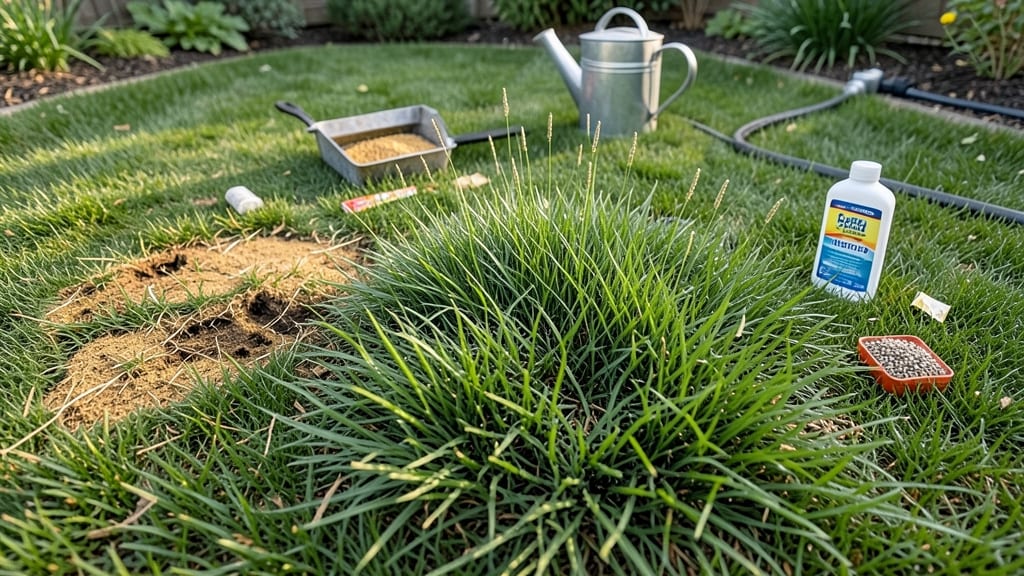
Stop dog pee from killing your lawn before it turns your yard into a patchwork of dead spots unless you act fast. 🌱 The problem isn’t just the urine—it’s the concentrated nitrogen and pH shift that cook grass roots alive within hours.
I’ve turned my once-bare yard into a thriving green space by tackling this at the source, and the secret isn’t complicated. The fix starts with dilution: train your dog to pee in one spot and water it immediately after.
For existing damage, over-seeding and top-dressing with compost can revive grass in weeks. I’ve even used pee-friendly ground covers like clover in high-traffic areas where grass just won’t survive. You’ll see new growth within 2-3 weeks if you’re consistent.
The key is combining quick fixes with long-term habits—like designating a "potty patch" and keeping soil healthy with regular aeration. This works for any lawn, from small backyards to large properties. Let’s get your grass growing back stronger than ever.
📚 In This Guide
- What you need
- Instructions
- Tips and common mistakes
- Wrapping up and next steps
What you need
- ● Garden hose with a spray nozzle (for thorough rinsing)
- ● Lawn sprinkler (adjustable for light, frequent watering)
- ● Garden rake (with fine tines for gentle soil aeration)
- ● Gloves (heavy-duty, nitrile-coated for protection)
- ● Dog urine neutralizer (e.g., Nature’s Miracle or Simple Solution—1 gallon)
- ● Compost or topsoil (5–10 lbs, for patching damaged spots)
- ● Lime granules (10 lbs, to raise soil pH if needed)
- ● Slow-release lawn fertilizer (e.g., Scotts Turf Builder—1 bag)
- ● Plastic sheeting (6–12 sq ft, for temporary urine barriers)
- ● Dog training treats (for positive reinforcement 🐾)
- ● Peat moss (5 lbs, for acid-loving grasses like fescue)
- ● Soil pH test kit (to monitor urine damage over time)
- ● Artificial turf patches (for high-traffic dog zones)
- ● Dog-friendly grass seed (e.g., centipede or Bermuda, 1 lb)
- ● Waterproof boots (if your lawn is super soggy)
Step-by-Step guide to repairing dog-pee damaged lawn
Here’s how I’ve restored lawns after years of dog damage—no special products, just smart lawn care.
🌱 Step 1: Test and Identify Burned Spots
Walk your lawn and look for patches where grass turns yellow, brown, or dies back completely. These are the areas where dog urine has concentrated over time. Press your thumb into the soil—if it feels compacted or dry, that’s another sign of damage. I like to mark these spots with small flags or sticks so I don’t miss any during treatment.
Pay special attention to high-traffic areas where your dog often pees. These spots will need extra attention because the damage is usually deeper. If you have a large yard, prioritize the most visible or frequently used areas first.
💧 Step 2: Flush and Dilute Urine with Water
After your dog pees, immediately dilute the urine by watering the spot with 1-2 gallons of water. This dilutes the ammonia and urea, reducing the burn risk. I use a handheld watering can or hose nozzle set to a gentle spray. Avoid soaking the entire lawn—just focus on the pee spots to prevent overwatering healthy grass.
If you notice yellow patches after a few weeks, your dog might be peeing in the same spots repeatedly. In that case, train your dog to pee in a different area or use a designated "potty patch" with gravel or mulch to absorb the urine and protect the grass.
☀️ Step 3: Overseed and Fertilize Damaged Areas
Once the burned spots are identified, rake the dead grass gently to loosen the soil. Then, spread 1/4 inch of compost or topsoil over the area to improve soil health. Next, scatter grass seed evenly—use a broadcast spreader for large areas or your hand for small patches. Press the seed lightly into the soil with a lawn roller or your foot.
Water the seeded areas lightly every day for the first 2 weeks to keep the soil moist but not soggy. You’ll see new grass blades emerge in about 10-14 days. If the area is still bare after a month, repeat the overseeding process.
✂️ Step 4: Adjust Mowing and Watering Habits
Mow your lawn higher—set your mower to 3-4 inches—to help grass roots grow deeper and withstand future urine damage. Longer grass also shades the soil, reducing moisture loss and keeping roots cooler. Avoid mowing over the newly seeded areas until the grass is at least 3 inches tall.
Water deeply but infrequently—1 inch per week—to encourage deep root growth. Early morning is the best time to water, as it gives the grass time to dry before evening. If you notice yellowing again, it could be a sign of overwatering or poor drainage, so adjust accordingly.
🌿 Step 5: Use Natural Deterrents for Long-Term Protection
Train your dog to pee in a designated gravel or mulch area by rewarding them when they use it. You can also sprinkle dolomitic lime or wood ash in the pee spots—these neutralize the acidity in urine and protect the grass. Reapply every 2-3 months or after heavy rain.
For stubborn spots, consider planting clover or creeping thyme, which are more urine-tolerant than grass. These ground covers will fill in bare patches while still looking green and lush. Just avoid fertilizing them heavily, as they thrive in leaner soil.
Tips & tricks for saving your lawn from dog pee damage
Here's what I've learned after fixing countless lawns—these tricks make all the difference when dealing with dog urine.
Spot Identification: Don't just look for yellow patches—in Step 1, check for soil compaction by pressing your thumb into the ground. Compacted soil can't absorb water properly, making urine damage worse. I've found that spots where your dog stands for more than 10 seconds show the most severe damage, so pay extra attention to those areas.
Watering Technique: When diluting urine in Step 2, use a gentle spray rather than a strong stream. The goal is to spread the urine over a wider area, not just wash it away. I've had the best results with a handheld watering can—it gives me better control than a hose nozzle. For stubborn spots, you might need to repeat this every time your dog uses that area.
Seed Germination: In Step 3, don't be tempted to use too much compost—stick to the 1/4 inch recommendation. Too much can suffocate the grass seed. After seeding, I like to cover the area with a thin layer of straw mulch (about 1/8 inch) to help retain moisture during those critical first 2 weeks. This little extra step has helped me see sprouts appear faster every time.
Long-Term Prevention: For Step 5, consider creating a "pee patch" using landscape fabric covered with gravel. This gives your dog a designated spot while protecting your lawn. I've seen dramatic improvements in lawn health within just a few months of implementing this system, especially for dogs that mark territory frequently.
Pro Tips for Stop Dog Pee From Killing Lawn
- Here's what I've learned after fixing countless lawns—these tricks make all the difference when dealing with dog urine.
- Spot Identification: Don't just look for yellow patches—in Step 1, check for soil compaction by pressing your thumb into the ground.
- Watering Technique: When diluting urine in Step 2, use a gentle spray rather than a strong stream.
Frequently asked questions
Got questions about protecting your lawn from dog pee damage? You’re not alone! Here are some of the most common concerns—and practical solutions—to keep your grass green and happy.
Why does dog pee burn grass in the first place?
Dog urine is highly concentrated with nitrogen, which can over-fertilize grass in small areas, causing brown patches. The ammonia in fresh pee also dries out the grass blades, leading to dead spots if not managed. The key is dilution and timing!
How long should I wait before letting my dog pee on the lawn again?
Wait 30–60 minutes after your dog pees to let the urine soak into the soil. If possible, train your dog to pee in a designated area (like a gravel patch or mulched bed) to avoid repeated damage. For high-traffic spots, consider a pee deterrent spray.
Can I use vinegar or other household items to neutralize dog pee?
Yes! A 1:1 water-to-vinegar mix (or baking soda dissolved in water) can help neutralize the ammonia. Spray it after your dog pees to dilute the urine and protect the grass. Avoid harsh chemicals—they can harm both your lawn and your pup’s paws!
What’s the best way to train my dog to pee in one spot?
Start with a consistent routine: Take your dog to the same spot every time (like after meals or walks). Use a command word (e.g., “Go potty!”) and reward them with praise or treats. Over time, they’ll learn to associate the area with peeing. Patience is key—some dogs take weeks to adjust!
My lawn still has brown spots—how can I revive the grass?
First, overseed the damaged area with grass seed. Then, apply a light layer of compost or topsoil to help roots recover. Water gently but deeply to encourage regrowth. If the spot is large, consider sod patches for faster results.
Still stumped? Drop your question in the comments—we’re happy to help your lawn (and pup) thrive!
Wrapping up and next steps
You’ve got this! 🌱 Protecting your lawn from dog pee doesn’t have to be a battle—just consistency and the right tricks. Start with dilution, add natural deterrents, and give your grass time to recover with deep watering and spot treatments.
Small changes make a big difference, so stay patient and keep up the routine.
Ready to see the difference? Pick one tip from this guide and try it this week! Your lawn—and your pup—will thank you.