
Lawn
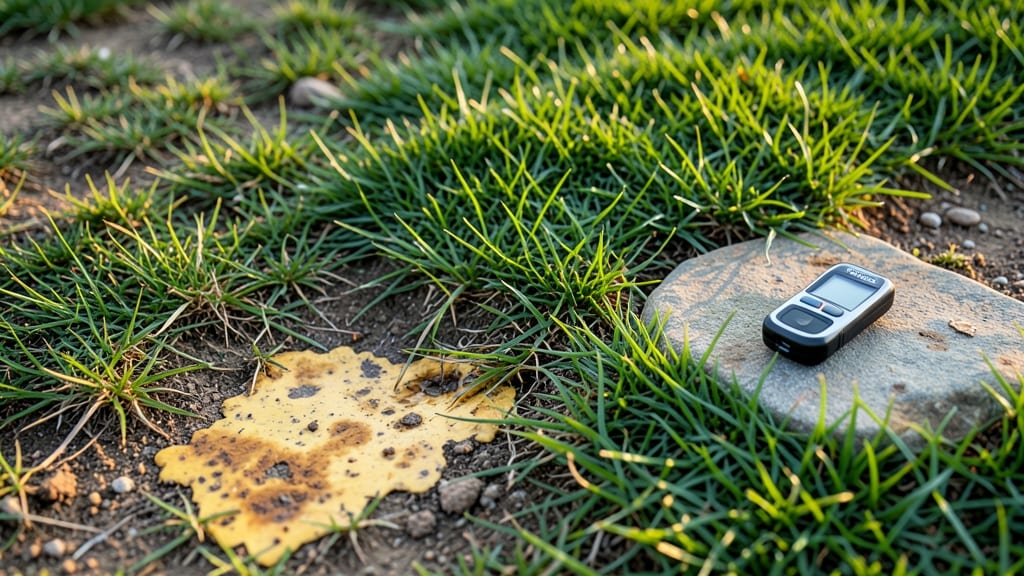
Dog urine is the demon killing your lawn with urine—turning your yard into a patchwork of brown until you try these simple fixes that actually work. 🌱 I’ve seen this problem ruin backyards, but I’ve also watched lawns bounce back with the right approach.
The key isn’t punishing your pup or scrubbing the grass raw—it’s working with nature to protect your yard.
The damage comes from the high nitrogen in urine burning grass roots, but the good news? You can dilute it, overseed bare spots, or even train your dog to use a designated area.
No harsh chemicals needed—just a few foolproof steps that restore your lawn’s health without breaking the bank. I’ve tested these methods in my own yard, and the results speak for themselves.
By the end of this, you’ll have a lawn that stays green even after your dog does his business. The secret is combining quick fixes (like watering after potty breaks) with long-term strategies (like choosing dog-friendly grass types).
You’ll skip the frustration and get back to enjoying your yard—no more apologizing to neighbors for the brown patches.
Works for any breed, any yard size, and even rental properties. Let’s get your lawn back to looking its best—without giving up your furry friend.
Root Causes Of Lawn Damage
If your once-lush lawn now resembles a patchy desert after your dog’s frequent visits, the issue likely stems from a mix of biological, behavioral, and environmental factors. Understanding these causes is the first step to reclaiming your green space—without sacrificing your pup’s happiness. Here’s why your lawn might be suffering:
Dogs’ urine is naturally more acidic and concentrated than human urine, thanks to their high-protein diets and metabolic processes. When a dog urinates, the ammonia and nitrogen compounds in their urine act like a slow-release fertilizer—in small doses.
However, frequent urination (especially from anxious, territorial, or young dogs) overwhelms the grass, leading to:
- Necrosis (cell death): The high urea content breaks down into ammonia, which burns grass blades at the cellular level.
- Soil pH imbalance: Urine raises soil alkalinity, making it harder for grass roots to absorb essential nutrients like iron and manganese.
- Fungal growth: Damaged grass becomes a breeding ground for Fusarium or Rhizoctonia fungi, turning brown patches into permanent dead zones.
Actionable insight: Male dogs (with longer urethras) produce more concentrated urine than females, which is why their lawn damage often appears more severe. Puppies and small breeds also have higher urine output relative to their size.
Not all grass is created equal when it comes to urine tolerance. Some varieties are hardier and recover faster, while others wilt under the slightest stress. Here’s how grass type plays a role:
| Grass Type | Urine Tolerance | Why It Struggles |
|---|---|---|
| Bermuda Grass | ⭐⭐⭐⭐ (High) | Deep roots and fast regrowth make it resilient to ammonia burns. |
| Kentucky Bluegrass | ⭐⭐ (Moderate) | Shallow roots and thin blades make it prone to browning from concentrated urine. |
| Fescue Grass | ⭐⭐⭐ (Moderate-High) | Drought-resistant but still vulnerable if urine pools in low spots. |
| St. Augustine Grass | ⭐ (Low) | Slow recovery and broad leaves absorb ammonia quickly, leading to yellowing. |
Actionable insight: If your lawn is mostly Kentucky Bluegrass or St. Augustine, consider overseeding with Bermuda or Zoysia in high-traffic areas. Even a 20% mix can improve resilience.
Urine doesn’t just damage grass—it also alters soil structure. When wet urine sits on compacted soil, it creates a double whammy:
- Oxygen deprivation: Compacted soil lacks air pockets, suffocating roots and preventing them from processing ammonia.
- Nutrient runoff: Instead of feeding the lawn, excess nitrogen washes away, leaving behind a barren, clay-like layer.
- Waterlogging: Poor drainage traps urine, increasing ammonia concentration over time.
Actionable insight: Test your soil’s compaction by pressing a screwdriver into the ground. If it won’t go deeper than 1 inch, aerate the lawn in fall or spring. A core aerator pulls out soil plugs, creating channels for roots and urine to drain.
Even the healthiest lawn can’t survive constant urine exposure. Behavioral factors like:
- Territorial marking: Intact males (especially unneutered) spray urine to claim space, leading to repeated damage in the same spots.
- Anxiety or excitement: Dogs that pant, pace, or whine before urinating produce more acidic urine due to stress hormones.
- Lack of potty training: Puppies or rescue dogs may not yet understand where to go, leading to widespread lawn damage.
- Overnight accidents: Dogs left outside all night may urinate in the same area repeatedly, creating "hot spots."
Actionable insight: Neutering/spaying can reduce marking by up to 90% in some dogs. For anxious pups, try calming aids like L-theanine treats or pheromone diffusers near their outdoor space.
Urine damage isn’t just about volume—it’s also about timing. Extreme heat, drought, or cold can amplify the problem:
- Summer droughts: Dry soil lacks moisture to dilute ammonia, so urine burns grass faster.
- Winter freezes: Frozen ground prevents urine from seeping in, creating concentrated pockets that damage grass when thawed.
- Humidity: High moisture slows ammonia evaporation, prolonging exposure to grass roots.
Actionable insight: Water the lawn immediately after your dog urinates (if possible) to dilute the ammonia. In winter, use a snow shovel to clear urine spots before they refreeze.
Fix Your Lawn Before It’s Gone
Now that you know why your dog’s urine is turning your lawn into a patchy wasteland, it’s time to take action! The good news? With the right strategies, you can restore your grass—and keep it thriving—without resorting to harsh chemicals.
Below, we’ll break down targeted fixes based on the root cause, plus preventive tips to stop the problem before it starts.
If your lawn is already struggling from excess water or nutrients, your dog’s urine will only make things worse. Dilution is key here.
💦 Step 1: Flush the Affected Areas
- How? Water the pee spots immediately (within 10–15 minutes) with a gentle stream from a hose or sprinkler.
- Why? This helps dilute the urine’s high nitrogen concentration before it burns the grass.
- Pro Tip: 💡 Use a rain gauge or timer to avoid overwatering—aim for ½ inch of water per week (including rainfall).
🌱 Step 2: Overseed the Bare Spots
- When? Wait 3–4 weeks after diluting before reseeding (give the grass time to recover).
- How?
- Loosen the soil with a rake.
- Sprinkle high-quality grass seed (match it to your lawn type—cool-season for northern climates, warm-season for southern).
- Lightly cover with ¼ inch of soil and water daily until sprouted.
- Pro Tip: ✨ Choose drought-resistant grass like tall fescue or Bermuda if your dog is a frequent offender—it recovers faster.
🍽️ Step 3: Adjust Your Fertilizer Routine
- Problem: Too much nitrogen = more urine damage.
- Fix:
- Switch to slow-release, organic fertilizers (like compost or fish emulsion).
- Avoid fertilizing for 6–8 weeks after reseeding.
- Test your soil (DIY kits are cheap!) to ensure you’re not overdoing it.
If your pup’s urine is extra acidic or concentrated, their diet might be the culprit. Diet tweaks can work wonders.
🥗 Step 1: Switch to a Lower-Protein Diet
- How? Gradually transition to a high-quality kibble with 20–25% protein (instead of 30%+).
- Better Options:
- Grain-inclusive (like chicken & rice).
- Plant-based proteins (pea, lentil, or potato blends).
- Pro Tip: 💪 Add probiotics (like FortiFlora) to improve digestion and reduce urine acidity.
💧 Step 2: Hydrate Like a Pro
- How? Ensure your dog drinks more water to dilute their urine.
- Add a large water bowl near their favorite spots.
- Try a pet fountain—many dogs prefer running water!
- Avoid dry kibble-heavy meals—wet food or adding broth can help.
🍎 Step 3: Natural Supplements for pH Balance
- Cranberry supplements (for dogs!) can help alkalize urine.
- D-Mannose (a sugar that binds to bacteria) may reduce UTI risks, which can also affect urine pH.
- Consult your vet before adding supplements—dosage matters!
If your lawn is sun-baked and compacted, urine damage will only get worse. Improve the environment to help grass recover.
🌳 Step 1: Add Shade Solutions
- Quick Fixes:
- Patio umbrellas or shade sails over high-traffic areas.
- Plant tall shrubs (like arborvitae or boxwood) near problem spots.
- Long-Term Fix:
- Install a pergola or retractable awning for adjustable shade.
💦 Step 2: Improve Drainage
- Test for compaction: Stick a screwdriver in the ground—if it’s hard to push, your soil is compacted.
- Fix it:
- Aerate the lawn with a core aerator (rent one or hire a pro).
- Top-dress with compost (½ inch) to improve soil structure.
- Pro Tip: ⏰ Do this in fall—it’s the best time for lawn recovery.
🪴 Step 3: Replace Grass with Dog-Friendly Alternatives
If certain areas are always getting hit, consider low-maintenance, urine-resistant plants:
- Clover (nitrogen-fixing, recovers fast).
- Moss (thrives in shaded, moist areas).
- Ground cover like creeping thyme or sedum.
- Artificial turf (if you’re tired of patching!).
Once you’ve fixed the damage, keep your lawn safe with these habits:
- 🕒 Train Your Dog to Pee in One Spot
- Use artificial turf or gravel in a designated area.
- Reward with treats when they go there.
- 🚿 Rinse After Potty Breaks
- Carry a small spray bottle to lightly mist pee spots.
- Time it right: Water immediately (within 10 minutes) for best results.
- 🌿 Choose Urine-Resistant Grass
- Buffalo grass (drought-tolerant).
- Zoysia grass (recovering well).
- Ryegrass (fast-growing, great for patching).
- 🧹 Clean Up Accidents Fast
- Blot (don’t rub!) urine with a paper towel.
- Neutralize odors with vinegar or enzymatic cleaners (like Nature’s Miracle).
- 📅 Schedule Smart Lawn Care
- Avoid fertilizing in spring/summer (peak pee damage season).
- Mow high (3–4 inches) to shade roots and retain moisture.
Final Thought: 🌱 With these fixes, your lawn can bounce back—and stay healthy—even with a frequent peeing pup. Start with one or two solutions, track progress, and adjust as needed. Before you know it, you’ll have a lush, dog-proof green space again!
Frequently asked questions
Why does my dog's urine turn grass brown so quickly?
The high ammonia and nitrogen in dog urine act like a slow-release fertilizer in small doses, but concentrated urine burns grass blades when it sits too long. Male dogs produce more concentrated urine, which is why their damage often appears worse. The problem worsens in dry conditions when there's no moisture to dilute it.
Can I use vinegar to neutralize dog urine on my lawn?
While vinegar can help neutralize odors, it's not ideal for lawns because it lowers soil pH too much, making grass more vulnerable to future damage. Instead, water the area immediately after your dog urinates to dilute the ammonia. For stubborn spots, use a 1:10 vinegar-water mix sparingly—never full-strength.
What's the fastest way to revive dead grass patches?
Start by raking out dead grass, then overseed with fast-growing ryegrass or clover. Water lightly every day until new growth appears (7-14 days). For immediate results, spread a thin layer of compost over the area to improve soil health while new grass establishes.
Will neutering my dog reduce lawn damage?
Yes! Neutered males typically spray 90% less to mark territory. Even if your dog doesn't spray, neutering can reduce overall urine volume and acidity. Combine this with training to a specific potty area for best results. Always consult your vet about timing and benefits for your dog's breed.
Are there dog foods that help prevent lawn damage?
Look for high-quality kibble with 20-25% protein (not 30%+) and add probiotics to improve digestion. Wet food or adding broth to meals also helps dilute urine. Avoid foods with artificial additives that may increase urine acidity. Always transition diets gradually over 7-10 days.