
Lawn
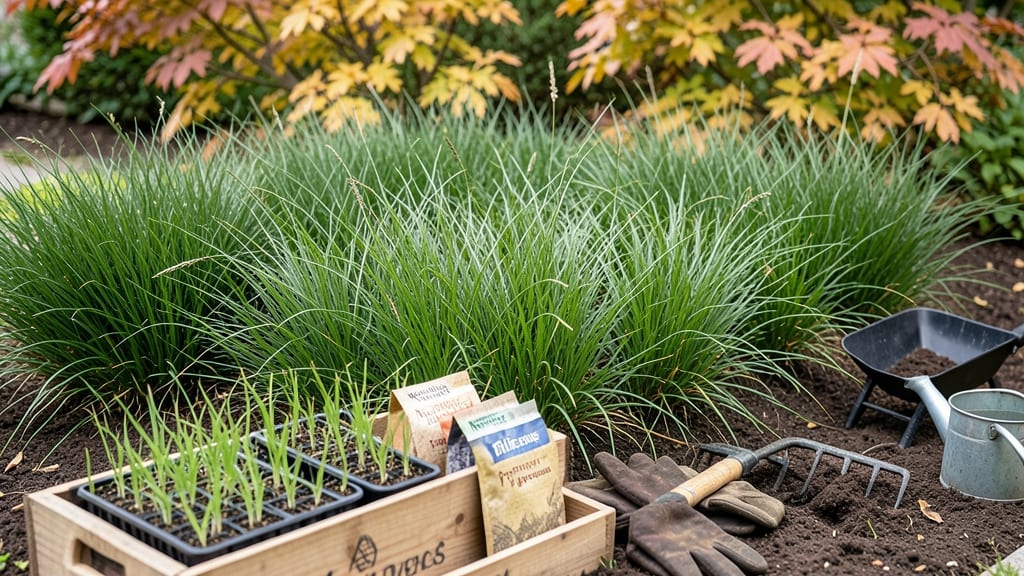
The best time to seed lawn in fall is your secret weapon for a thick, resilient lawn—cool temperatures and fewer weeds create the ideal window for deep root growth before winter sets in.
Struggling to grow a lush, deep-rooted lawn this fall? Timing your lawn seeding just right can mean the difference between patchy grass and a vibrant, resilient yard—here’s the science-backed schedule for your zone.
In USDA Zone 6a (like much of the Midwest and Northeast), the perfect window is late August through mid-October, when soil stays warm enough for germination but nights cool down to slow weed competition. Miss this window, and you risk weak roots or winter kill.
Below, I break down the exact weeks to seed by region, soil prep secrets, and 3 pro tips to ensure your grass outgrows weeds before spring—no guesswork, just results.

Fall lawn seeding timeline by US planting zones (weeks for optimal germination)
Fall is the perfect time to seed cool-season grasses like tall fescue or Kentucky bluegrass because cooler temperatures and increased rainfall create ideal conditions. But timing varies dramatically by USDA zone—seed too early, and weeds steal the show; too late, and roots won’t establish before frost.
Here’s your zone-specific schedule for deep, resilient roots before winter dormancy.
Cool-season grasses need 4-6 weeks of warm soil and cool air to germinate and develop roots before the first frost. In Northern zones (3-5), this window is tight—just 4-5 weeks—while Southern zones (7-10) can stretch it to 8 weeks.
Transition zones (6) fall right in the middle, offering flexibility for 6 weeks of optimal seeding.
🌱
| USDA Zones | Best Seeding Window | Weeks Before Frost | Grass Types | Soil Temp Goal (°F) |
|---|---|---|---|---|
| 3-5 (Northern) | Mid-August to Early October | 4-5 weeks | Tall Fescue, Fine Fescue | 50-65°F |
| 6 (Transition) | Late August to Mid-October | 6 weeks | Tall Fescue, Ryegrass | 55-70°F |
| 7-9 (Southern) | Late August to Early November | 8 weeks | Tall Fescue, Bermuda (warm mix) | 60-75°F |
| 10 (Far South) | September to Early December | 10+ weeks | St. Augustine, Zoysia | 65-80°F |
In Northern zones (3-5), aim to seed by early October—this gives tall fescue and fine fescue enough time to germinate before soil temps drop below 50°F.
Use a starter fertilizer with phosphorus to boost root growth, and cover seeds with ¼-inch of soil to protect them from drying winds.
For transition zones (6), late August to mid-October is ideal. This window aligns with cool nights and warm days, perfect for ryegrass mixes that germinate quickly. If you’re in Zone 6b or colder, prioritize seeding by September 15th to avoid early frost risks.
Over-seed with annual ryegrass if you’re late—it germinates faster and holds soil until permanent grass establishes.
Southern gardeners in zones 7-10 have the most flexibility, but don’t wait too long. Bermuda grass mixes can handle late fall seeding, but tall fescue needs to be in by October 15th in Zone 7.
In Zone 10, where frost is rare, focus on September-October to avoid winter rains that can wash seeds away.
Pro tip: Check your local frost dates—most USDA zone maps underestimate frost risk. Use the National Weather Service or plant a frost-sensitive test plant (like basil) to confirm your last safe seeding date.
Adjust your timeline if your fall is unusually warm or cold—soil temperature matters more than calendar dates.
🌿
Once you’ve seeded, consistent moisture is critical. Water lightly twice daily (morning and evening) for the first 7-10 days
Key factors that determine the Perfect Fall Seeding Window
Nailing the best time to seed lawn in fall depends on three critical factors: soil temperature, frost risk, and your grass type. These elements work together to create the ideal conditions for seed germination and root establishment before winter dormancy.
For example, cool-season grasses like fescue and ryegrass thrive when soil temps hover between 50°F–65°F, while warm-season grasses like Bermuda need warmer conditions. Let’s break down how to read your climate’s signals.
First, soil temperature is the most reliable indicator. Use a soil thermometer to check at a 4-inch depth—the depth where seeds germinate. If temps drop below 50°F, germination slows dramatically.
In USDA Zone 5, this often means seeding by mid-September, while Zone 8 gardeners can extend seeding until early November. The goal? Give seeds 4–6 weeks to establish roots before the first frost.
Next, account for frost risk. Even if soil temps are perfect, a hard freeze can kill young seedlings. Always seed at least 4–6 weeks before your region’s average first frost.
For instance, in Chicago (Zone 5), that’s typically by September 15, while in Atlanta (Zone 7b), you might seed until October 31. Pro tip: Monitor your local frost forecast—some years, early cold snaps arrive unexpectedly.
Don’t overlook your grass type. Cool-season grasses (like tall fescue or Kentucky bluegrass) are the stars of fall seeding, but warm-season grasses (like Bermuda or Zoysia) have different needs. If you’re planting the wrong type for the season, you’ll waste time and money.
For example, seeding Bermuda grass in fall in Texas (Zone 8) is a common mistake—it thrives in late spring when soil temps rise above 70°F.
Finally, adjust for early or late falls. Some years, weather patterns shift the timeline. In early falls (e.g., Zone 4 with a September frost), wait until soil warms back up after heatwaves.
In late falls (e.g., Zone 9 with no frost until December), you might seed as late as early December—just ensure temps stay above 50°F for germination. Flexibility is key!
By balancing these four factors—soil temperature, frost risk, grass type, and seasonal adjustments—you’ll pinpoint the perfect fall seeding window for your lawn. The result? A thicker, greener lawn that outcompetes weeds and survives winter like a pro. 🌱