
Lawn
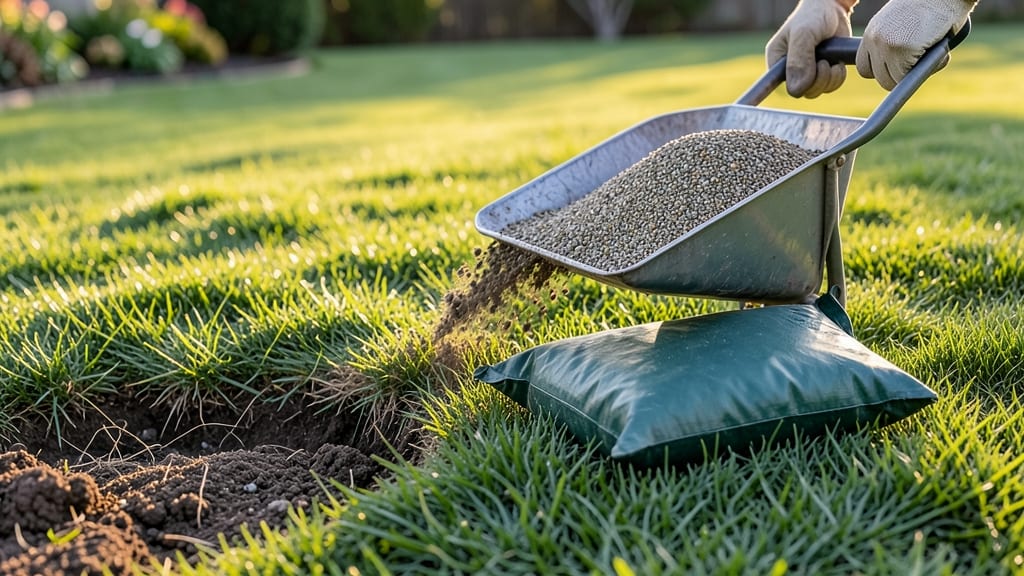
To fertilize your lawn in fall, aim for late summer through early winter—typically between September and November—adjusting based on your grass type (cool-season grasses like fescue need it earlier, while warm-season grasses like Bermuda prefer later timing) and your local climate zone. Schedule it 4-6 weeks before the first frost for best results.
Timing matters because fall fertilization helps grass roots store nutrients for winter survival. 🌱 Cool-season grasses like Kentucky bluegrass and fescue thrive with early fall feeding (September-October), while warm-season types such as Bermuda and Zoysia benefit from late fall applications (October-November).
Your local frost date is the real deadline—fertilizing too close to winter means plants can't absorb nutrients before dormancy sets in.
This window also aligns with natural growth patterns: as days shorten, grasses focus on root development rather than leaf growth. A slow-release nitrogen fertilizer (like 24-0-6) becomes especially valuable because it provides steady nutrition without encouraging late-season growth that could be damaged by frost.
Many pros recommend pairing fertilization with aeration or overseeding for even better results.
💡 In This Article
- Optimal Fall Fertilization Timing by Grass Type
- Fall Fertilizer Selection and Application Tips
Optimal fall fertilization timing by grass type
Cool-season grasses like Kentucky bluegrass, fescue, and ryegrass thrive when fertilized in early fall—typically between September and October—because they enter their second growth cycle of the year. These grasses grow actively during cooler temperatures, and fall fertilization helps them store nutrients in roots for winter survival.
The key is timing it when daytime temperatures remain above 60°F but nights start cooling, signaling the grass to focus on root development rather than leaf growth.
Warm-season grasses such as Bermuda, Zoysia, and St. Augustine, on the other hand, need fertilization later in the fall—around October to November. These grasses go dormant as temperatures drop below 50°F, so applying fertilizer too early can encourage weak growth that won't survive winter.
The goal is to give them just enough nutrients to strengthen roots before dormancy kicks in. In warmer climates where frost is rare, you might even extend this window to December.
Your local climate zone plays a critical role in adjusting this timing. In northern regions (USDA zones 3-5), aim to fertilize by mid-October to avoid frost damage, while southern zones (6-9) can push it closer to November.
The 4-6 week rule before the first frost ensures roots have time to absorb nutrients before dormancy sets in. For example, in Minnesota (zone 4), September fertilization is ideal, while in Florida (zone 9), November works better.
Grass types also influence the type of fertilizer you should use. Cool-season grasses benefit from a high-nitrogen, slow-release fertilizer (like 24-0-6) with added iron to maintain green color. Warm-season grasses, however, need a lower nitrogen ratio (such as 16-4-8) to avoid overstimulating growth before dormancy.
The difference lies in how each grass type metabolizes nutrients during its natural growth cycle.
Here’s a quick reference for timing by grass type:
- Cool-season grasses: Late August to early October (peak in September)
- Warm-season grasses: October to November (closer to frost)
- Transition zones (6-7): Adjust based on frost date—typically late September to October
Pro tip: If you’re unsure about your grass type, do a simple tug test—cool-season grasses pull up easily with roots attached, while warm-season grasses resist and have a fibrous root system. This helps you fine-tune your fertilization schedule for maximum effectiveness. 🌱