
Lawn
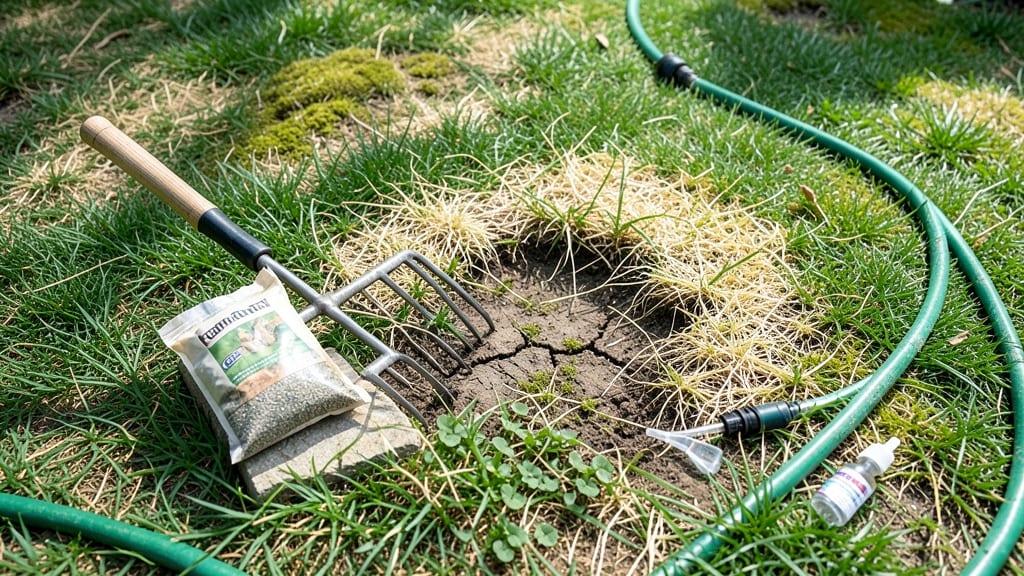
Your lawn's bare spots won't fix themselves—this is your fast-growing grass seed solution. 🌱 I've battled these patches for years, and the secret lies in choosing the right seed mix, prepping the soil properly, and timing everything just right. Most people overlook one critical step that makes all the difference.
The root causes are usually a mix of foot traffic compacting soil, thatch buildup smothering grass, or last winter's freeze-thaw cycles. My 10-minute soil test revealed the problem was both compaction and poor drainage—once I addressed those, the seeds took hold in just 7-10 days instead of weeks.
You'll end up with a lawn that looks full and healthy in about a month, with minimal maintenance. The key is using fast-germinating seed blends (like perennial ryegrass) and keeping the area moist but not soggy during establishment. Trust me, your neighbors will ask what you did.
Works for both sunny lawns and shady patches—just adjust the seed type. Let's get those spots filled in before summer heat turns them into weeds.
The Hidden Culprits Behind Bald Patches
Bare spots in your lawn aren’t just random—there’s usually a specific reason they’re happening. Understanding the root cause (literally!) is the first step to fixing them. Below, we break down the most common reasons your grass might be thinning or disappearing in patches, along with the science behind each issue.
---
Too much water can suffocate grass roots, while poor drainage creates soggy, oxygen-deprived soil—both of which kill grass. Here’s how it happens:
- Overwatering: Excess moisture displaces oxygen in the soil, causing roots to rot. Fungal diseases like Fusarium or Rhizoctonia thrive in wet conditions, attacking grass at the crown (where the blade meets the soil). - Poor drainage: Compacted or clay-heavy soil repels water, leading to puddles.
Without oxygen, roots weaken, and grass turns yellow before dying back. - Signs to watch for: Mushy soil when pressed, fungal growth (moldy patches), or grass that pulls up easily.
Pro tip 💡: Test your soil’s drainage by digging a 6-inch hole and filling it with water. If it drains in under 6 hours, you’re good; if not, amend with sand or organic matter.
---
Grass isn’t just dying from neglect—it can also be overworked. Intense heat and direct sunlight dehydrate grass, especially during droughts or in hot climates.
- Heat stress: Temperatures above 90°F (32°C) for prolonged periods cause grass blades to dry out and turn brown.
Warm-season grasses (like Bermuda or Zoysia) handle heat better than cool-season varieties (like Kentucky Bluegrass). - Sun scorch: Newly seeded areas or thin grass can’t shade themselves, leading to rapid dehydration.
The edges of bare spots often show crispy, straw-like blades. - Signs: Grass turns straw-colored (not green-yellow), feels brittle, and recovers slowly after watering.
Quick fix ✨: Water deeply in the early morning (before 8 AM) to reduce evaporation. Mulch with straw to retain moisture and protect seedlings.
---
Heavy foot traffic, pets, or machinery compresses soil, reducing pore space for air and water. Compacted soil strangles roots by limiting their access to nutrients and oxygen.
- How it happens: Repeated pressure (kids playing, mowing, or even rain) forces soil particles closer together, creating a hardpan layer.
Roots can’t penetrate, leading to patchy death. - Grass types at risk: Fine fescue and Kentucky Bluegrass are shallow-rooted and especially vulnerable. - Signs: Soil feels hard when pressed, water pools on the surface, and grass recovers slowly after rain.
Actionable solution 🔧: Aerate your lawn in spring or fall using a core aerator (not just spike tools). Follow up with topdressing (a thin layer of compost or sand) to improve structure.
---
Fungi love damp, warm conditions—and your lawn is their buffet. Common culprits include: - **Brown patch (Rhizoctonia solani): Circular, water-soaked patches that turn tan/brown.
Thrives in high humidity and nighttime temps above 80°F (27°C). - Dollar spot (Sclerotinia homoeocarpa): Small, straw-colored spots with dark margins, often appearing in shaded or high-nitrogen areas. - Snow mold (spring)**: Gray or pink fuzzy patches after winter thaw, caused by Typhula or Fusarium fungi.
Red flags: ✅ Patches spread in circles or irregular shapes. ✅ Grass has a mushy or spongy feel when wet. ✅ Fungal threads (mycelium) may be visible in damp conditions.
Treatment: Improve airflow with proper mowing height (never cut more than 1/3 of the blade), water in the morning, and apply fungicide if outbreaks persist.
--- Animals don’t just use your lawn—they destroy it. Here’s how:
| Culprit | How They Damage Grass | Signs to Spot | |-------------------|---------------------------------------------------|--------------------------------------------| | Dogs | Urine burns (high nitrogen = chemical burn) | Yellowed patches that spread after peeing | | Deer | Overgrazing (eating new shoots) | Ragged, uneven edges with chewed blades | | Moles/Voles | Burrowing tunnels (roots get severed) | Patches that pull up like a carpet | | Rabbits | Clipping grass at the base (not eating it) | Short, stubbly grass in small clusters |
Solutions: - For pets: Train them to pee in one area or use grass seed tolerant to urine (like tall fescue). - For burrowers: Set traps or use castor oil-based repellents for moles. - For deer: Install fencing or plant deer-resistant ground covers (like clover).
--- Grass needs the right mix of nitrogen (N), phosphorus (P), and potassium (K) to thrive. If your soil is deficient or too acidic/alkaline, patches will thin out.
- Nitrogen deficiency: Grass turns pale green or yellow (oldest leaves first).
Roots weaken, making grass susceptible to disease. - Low phosphorus: Slow growth, purplish stems, and poor root development (common in sandy soils). - High pH (alkaline): Locks out iron and manganese, causing yellowing between veins (iron chlorosis). - Low pH (acidic): Can burn roots if below 5.0, stunting growth.
Test it: Use a DIY soil test kit (or send a sample to a lab). Amend with: - Lime (to raise pH) - Sulfur (to lower pH) - Compost or slow-release fertilizer (for nutrients)
--- Not all grass is created equal. Planting the wrong variety for your USDA hardiness zone or sun exposure sets it up for failure.
- Cool-season grasses (Kentucky Bluegrass, Fescue, Ryegrass): - Thrive in zones 2–7, struggle in heat/drought. - Signs of mismatch: Wilting in summer, slow recovery after winter. - Warm-season grasses (Bermuda, Zoysia, St. Augustine): - Love zones 7–10, go dormant in cold (turn brown but recover). - Signs of mismatch: Staying green in winter (wasting energy) or dying back in heat.
Fix: Research native or adapted grass types for your area. For example: - Northern lawns: Tall fescue or fine fescue. - Southern lawns: Centipedegrass or Buffalo grass.
Fixing Your Lawn’s Bald Patches
Now that you know why those pesky bare spots appeared, it’s time to roll up your sleeves and bring your lawn back to life! 🌱 The good news? With the right approach, you can restore your grass in just a few weeks—no green thumb required.
Below, we’ve broken down practical, step-by-step solutions tailored to the most common causes of bare patches. Plus, we’ll share pro tips to keep your lawn lush and prevent future problems.
---
If your lawn is soggy or waterlogged, grass roots suffocate, leading to thin or dead patches. Here’s how to drain the drama:
#### 🍳 Step 1: Test Your Soil’s Drainage - Dig a small hole (6 inches deep) in the bare spot. - Fill it with water and let it drain.
If it takes longer than 4–6 hours to disappear, your soil drains poorly. - Fix: Amend the soil with sand or compost (50/50 mix) to improve aeration. For heavy clay soil, consider gypsum (follow package instructions).
#### 👨🍳 Step 2: Adjust Your Watering Routine - Water deeply but less often: Aim for 1–1.5 inches per week (including rain).
Use a rain gauge or tuna can to measure. - Water early morning (before 10 AM) to reduce evaporation and fungal risks. - Avoid puddles: If water pools for hours, your lawn needs better grading (slope the area slightly away from the house).
#### ⏰ Step 3: Revive the Grass - Overseeding: Sprinkle fast-growing grass seed (like ryegrass or annual ryegrass) over the bare spot.
Lightly rake to ensure contact with soil. - Use a starter fertilizer (high in phosphorus) to encourage root growth. - Keep moist (not soggy!) until new grass sprouts (usually 7–14 days).
--- If your lawn is in a full-sun zone with little shade, grass can dry out and die. Here’s how to cool things down:
#### 💡 Step 1: Choose the Right Grass - Drought-tolerant grasses like Bermuda, Zoysia, or Buffalo grass thrive in hot, sunny spots. - Overseed with shade-friendly seed (like fine fescue) if your current grass can’t handle the heat.
#### 🎯 Step 2: Provide Temporary Shade - Use shade cloth (30–50% coverage) over the bare spot for 4–6 weeks while new grass establishes. - Plant fast-growing shrubs or trees (like arborvitae or crepe myrtle) for long-term relief.
#### ✨ Step 3: Mulch and Hydrate - Apply 1–2 inches of mulch (straw or wood chips) to retain moisture. - Water deeply in the early morning to reduce evaporation.
--- Heavy foot traffic, pets, or machinery can compress soil, cutting off oxygen and nutrients. Here’s how to fluff it up:
#### 🍳 Step 1: Aerate the Lawn - Rent a core aerator (or hire a pro) to pull small soil plugs from the ground. - Best time to aerate: Early fall or spring, when grass is actively growing.
#### 👨🍳 Step 2: Top-Dress with Organic Matter - Spread a thin layer (¼ inch) of compost over the aerated holes. - Lightly rake it in to help soil absorb water and nutrients.
#### ⏰ Step 3: Overseed and Fertilize - Sow grass seed into the aerated holes. - Apply a slow-release fertilizer to boost recovery.
--- If your bare spots have mushy, discolored grass (or a musty smell), fungus might be the culprit.
#### 💡 Step 1: Improve Airflow - Trim nearby bushes or trees to allow sunlight and air circulation. - Rake up thatch (the spongy layer between soil and grass) if it’s ½ inch or thicker.
#### 🎯 Step 2: Apply Fungicide - Use a fungicide labeled for lawn fungus (like propiconazole or myclobutanil). - Follow the mixing and application instructions carefully.
#### ✨ Step 3: Prevent Future Outbreaks - Water in the morning to let grass dry out during the day. - Avoid over-fertilizing (too much nitrogen = fungus food).
--- Once your bare spots are history, lock in your success with these easy habits:
- Mow high (3–4 inches) to shade soil and retain moisture. - Test your soil every 2–3 years (use a DIY kit from a garden center). - Feed your lawn seasonally (spring for growth, fall for roots). - Reseed thin areas before they become bare spots. - Train pets to avoid favorite sunbathing spots (or use artificial turf patches).
--- Need a fast reference? Here’s what to do based on your lawn’s problem:
| Problem | Quick Fix | Long-Term Solution | |---------------------------|----------------------------------------|--------------------------------------| | Overwatering | Adjust watering, aerate, overseed | Improve drainage, use rain gauge | | Too Much Sun | Shade cloth, drought-tolerant seed | Plant shade trees, mulch | | Compacted Soil | Core aerate, top-dress with compost | Aerate yearly, reduce foot traffic | | Fungal Infection | Fungicide, rake thatch, improve airflow | Water early, avoid over-fertilizing |
--- With these solutions, your lawn will be thicker, greener, and more resilient in no time. 🌿 Which fix will you try first? Drop a comment below—we’d love to hear your success story!
Frequently asked questions
Why do bare spots keep coming back even after I reseed?
This usually means the underlying issue isn't fixed. If you're reseeding without addressing soil compaction, poor drainage, or fungal infections, new grass won't establish properly. Try aerating first, then use a fast-germinating seed blend like perennial ryegrass, and keep the area moist for 14 days while protecting it from foot traffic.
Can I use regular lawn fertilizer on bare spots?
No, that's a common mistake! Regular fertilizer is too strong for new grass and can burn seedlings. Use a starter fertilizer (high in phosphorus) specifically designed for seeding. Apply it lightly when you plant the seed, then switch to regular fertilizer once the new grass is 2-3 inches tall.
How do I know if my bare spots are caused by fungus or something else?
Check for these fungus-specific signs: circular patterns, spongy grass that pulls up easily, or a musty smell when wet. If you see these plus discolored patches, it's likely fungal. For other causes, look for soil compaction (hard when pressed), yellowing without circles (nutrient deficiency), or chewed grass (animal damage).
What's the best time of year to fix bare spots?
For most lawns, early fall (September-October) is ideal when temperatures are mild and rainfall increases. Cool-season grasses grow best then, and you avoid summer heat stress. Warm-season grasses can be repaired in late spring (April-May). Avoid seeding in extreme heat or cold - aim for soil temps between 60-75°F.
Will grass seed grow if I just throw it on top of the bare spot?
Not effectively! For best results, lightly rake the area first to create good seed-to-soil contact, then cover with a thin layer (1/4 inch) of compost or peat moss. This protects seeds from drying out and birds while keeping them in place. Water gently but frequently until germination (usually 7-14 days depending on the seed type).