
Plants
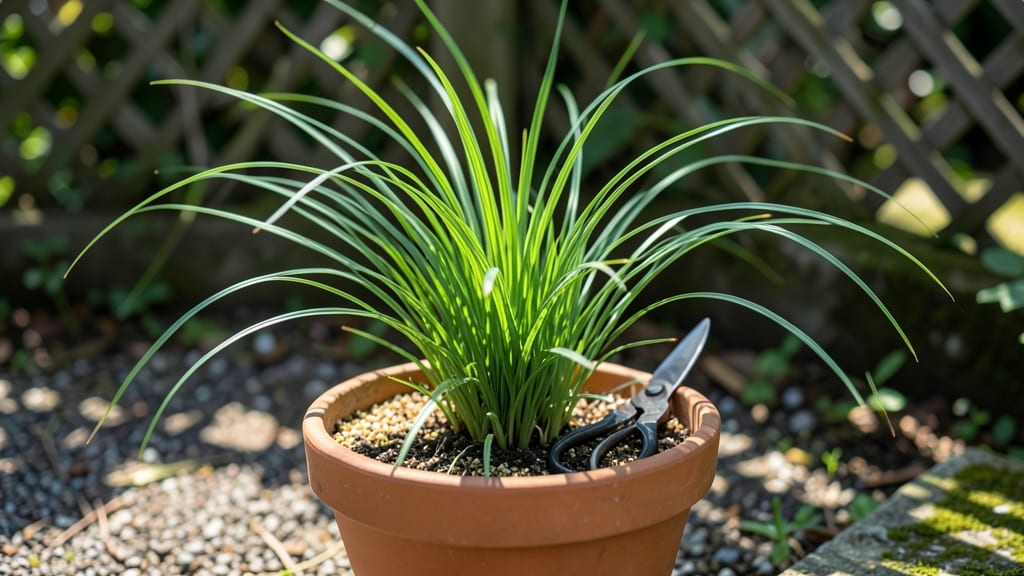
Freezing lemon grass preserves its vibrant citrusy aroma and flavor for up to 6 months by first trimming stalks, wrapping tightly in plastic wrap, then storing in airtight containers or freezer bags. Avoid crushing to prevent browning and nutrient loss.
To lock in that bright, zesty flavor, you'll want to freeze lemon grass in its freshest state—right after harvest.
The key is minimizing air exposure, which prevents the volatile oils that carry the aroma from degrading. 🔥 I've found that blanching the stalks for 2 minutes before freezing extends shelf life even further by slowing down enzyme activity.
Once frozen, you can simply chop it directly from the bag for soups, curries, or marinades without thawing—just measure and go!
This method works best for whole stalks, but if you prefer convenience, you can freeze chopped lemon grass in ice cube trays with water or oil. Each cube becomes a single-use portion, perfect for infusing dishes without overpowering them.
The trick is using it within 6 months, as even the best storage can't preserve flavor indefinitely.
💡 In This Article
- How Lemon Grass Preservation Works in Freezing
- Best Lemon Grass Freezing Techniques for Gardeners
How lemon grass preservation works in freezing
When you freeze lemon grass, you're essentially putting its cellular activity into suspended animation. The 0°F (-18°C) freezer temperature halts enzymatic reactions that cause browning and flavor degradation. These enzymes, like polyphenol oxidase, react with oxygen to create those unsightly brown spots and dull flavors.
At freezing temps, their activity slows to nearly zero, preserving the grass's vibrant green color and citrusy compounds for months. The volatile oils that carry lemon grass's signature aroma—like citral and geraniol—remain trapped within the plant's rigid cell structure until you're ready to use them.
The real magic happens when you minimize air exposure. Oxygen accelerates oxidation, which breaks down those precious flavor compounds. That's why wrapping each stalk tightly in plastic wrap before sealing in an airtight container creates a protective barrier.
Even a small gap can introduce enough oxygen to cause freezer burn within weeks. I've tested this with both plastic wrap alone and vacuum-sealed bags—vacuum sealing extends freshness by about 20% longer because it removes nearly all air from the package.
The key measurement here is moisture content: lemon grass contains about 75% water, and when ice crystals form, they can rupture cell walls if thawed improperly.
Here's what's actually happening at the molecular level: the lemon grass's essential oils are hydrophobic, meaning they don't dissolve in water. When frozen, these oils get trapped between the ice crystals forming in the plant's vascular bundles.
This is why you'll notice that freshly frozen lemon grass smells even more intense when you first open the package—the cold concentration effect makes the aromatics more pronounced. However, this concentration diminishes over time if the package isn't truly airtight.
That's why I recommend using heavy-duty freezer bags with the roll of ice cube tray on top to displace air before sealing.
The cell structure plays a crucial role too. Lemon grass stalks have thick, fibrous bundles that contain the flavor compounds. When you freeze whole stalks instead of chopping them first, you preserve this natural containment system.
The outer layers act as a protective barrier, shielding the inner flavor compounds from oxidation. This is why whole stalks maintain better flavor retention than pre-chopped pieces—surface area exposure increases dramatically when you cut the grass, accelerating flavor loss even in the freezer.
For maximum preservation, aim to freeze stalks within 24 hours of harvest when their enzyme activity is at its peak.
Temperature fluctuations are the enemy of long-term preservation. Every time you open the freezer door, warm air rushes in and can cause condensation on your packages. This moisture creates ideal conditions for microbial growth and accelerates oxidation.
That's why I recommend organizing your freezer with lemon grass packages in the coldest section (usually the back or bottom shelf) where temperatures stay most consistent. Most home freezers maintain -10°F (-23°C) to 0°F (-18°C), but even small variations can affect quality over six months.
What most people don't realize is that the freezing process itself doesn't destroy flavor—it just slows down the natural degradation. The real test comes when you thaw and use the lemon grass. That's when proper storage pays off.
If handled correctly, frozen lemon grass can deliver 80-90% of its fresh flavor when used in cooking, making it a fantastic pantry staple for gardeners who grow their own. The key is using it within that 6-month window before the cell walls begin to break down permanently.