
Planting
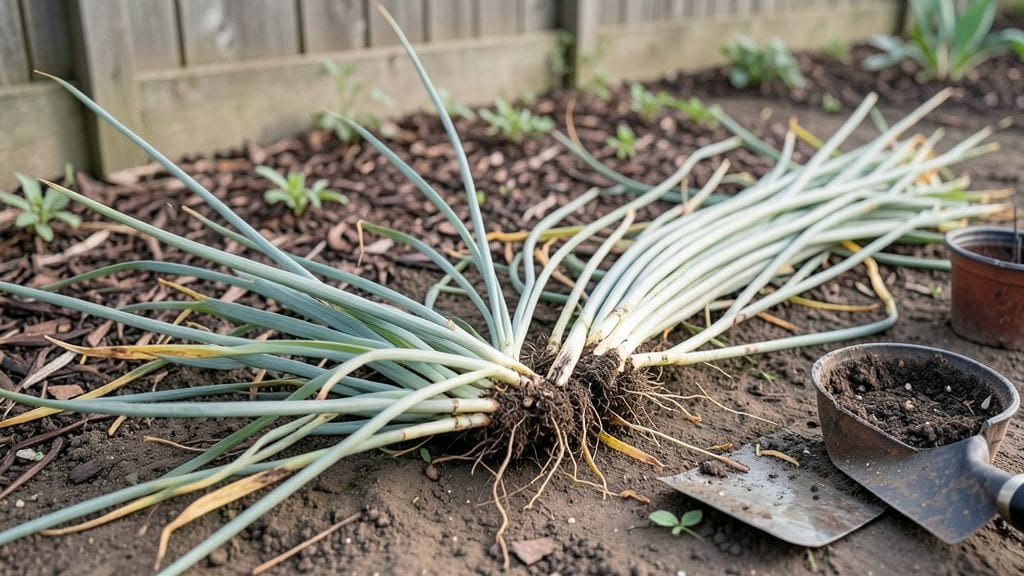
Planting lemon grass stalks in water is the fastest way to get them rooted and ready for your garden. 🌱 I learned this trick after struggling with dried-out roots from soil planting—now my stalks take hold in just 2-3 weeks instead of months.
The secret lies in patience and the right container setup, which turns any kitchen counter into a temporary nursery.
You only need three things: a clean glass jar or shallow container, fresh lemon grass stalks with healthy roots, and filtered water. Skip the soil entirely for the first stage—this method works especially well for beginners because you can watch roots develop daily.
Just trim the stalks to 6 inches and remove any lower leaves that might rot in water.
Once roots reach 2 inches long, transplant them into well-draining soil mix. You’ll notice new growth within 10 days of moving them outside, and the fragrant stalks will be ready for harvesting in about 3 months.
The best part? You can propagate multiple stalks from a single plant, making it a cost-effective way to expand your garden.
This method works year-round in warm climates, but if you’re in cooler zones, start indoors and move plants outside after the last frost. The key is keeping the water fresh and the stalks upright—no need for fancy equipment, just attention to detail.
Ready to grow your own fragrant stalks faster than ever?
📚 In This Guide
- What you need
- Instructions
- Tips and common mistakes
- Wrapping up and next steps
What you need
- ● Lemon grass stalks: 3–5 healthy, fresh stalks (preferably with roots or at least 3–4 inches of the base intact). Look for firm, green stalks with no brown spots!
- ● Water: Clean, room-temperature water (enough to submerge 1–2 inches of the stalk base). Change every 2–3 days to prevent bacteria.
- ● Clear glass or jar: A wide-mouth container (at least 6–8 inches tall) to hold the water and stalks. Mason jars or glass vases work great!
- ○ Pebbles or small stones: 1–2 handfuls (for drainage and stability at the bottom of the jar). Optional but helpful!
- ● Well-draining soil: A small pot (4–6 inches in diameter) filled with sandy, loamy soil (mix garden soil with perlite or coconut coir for aeration). Avoid heavy clay soil!
- ● Spray bottle: For misting leaves and keeping them hydrated (especially in dry climates).
- ○ Rooting hormone: A gel or powder to speed up root growth (optional but great for faster results!).
- ● Fertilizer: A balanced liquid fertilizer (diluted to half-strength) to nourish your plant once transplanted.
- ● Humidity dome: A plastic bag or cloche to create a mini greenhouse effect while roots establish (remove once roots form).
- ● Grow lights: If placing indoors with low natural light, a small LED grow light (12+ hours/day) keeps stalks happy.
- ● Label or marker: To track planting dates and growth progress (because who doesn’t love a little plant journaling?).
Step-by-step instructions for planting lemon grass stalks
Here's the quick method I use to get lemon grass thriving in just a few weeks.
🌱 Step 1: Select and Prepare the Stalks
Choose fresh, firm lemon grass stalks with tight, pale yellow bases—these are the best for rooting. Trim off any dried or browned lower leaves, leaving only the green top portion. I like to cut the stalks at a 45-degree angle about 2 inches from the base. This increases surface area for root development.
Here's the thing—don't skip the soaking step. Place the trimmed stalks in a glass of room-temperature water and let them sit for 24 hours. This hydrates the base and kickstarts root growth. You'll see tiny white roots forming along the cut edge after just a day or two.
💧 Step 2: Root in Water for Fast Growth
After soaking, transfer the stalks to a clean glass or jar with 2-3 inches of fresh water. Use only enough water to cover the bottom 1 inch of the stalk—too much water drowns the base. I like to use a clear container so I can watch those roots grow!
Change the water every 3-4 days to prevent bacteria buildup. Place the container in a spot with bright, indirect light—a kitchen windowsill works perfectly. You'll notice roots forming in 7-10 days, and they'll grow about 1 inch per week if conditions are right.
☀️ Step 3: Transplant When Roots Are Established
Once roots reach 3-4 inches long, your lemon grass is ready for soil. I use the 4-stalk method for a full harvest—just plant them 3 inches apart in a 6-inch pot or directly in garden soil. Fill the container with well-draining potting mix and dig a hole deep enough to cover the roots completely.
Gently press the soil around the stalks to remove air pockets, then water deeply until it drains from the bottom. Here's where it gets fun—watch the leaves perk up within 24 hours as they adjust to their new home. Keep the soil consistently moist but never soggy.
🌿 Step 4: Maintain for Continuous Harvest
Place your potted lemon grass in full sun to partial shade—it thrives in 6-8 hours of sunlight daily. Water when the top inch of soil feels dry, usually every 2-3 days depending on your climate. You'll know it's happy when new leaves emerge from the center every 2-3 weeks.
Harvest by cutting stalks at the base with a sharp knife when they reach 12-18 inches tall. This encourages fresh growth and keeps your plant bushy. Real talk: the first harvest is always the sweetest—use those stalks in your favorite recipes!
Tips & tricks for perfect lemon grass growth
A few quick tricks that'll help your lemon grass roots take off in record time—and keep your plants thriving for months of harvests.
Cutting Angle Matters: That 45-degree angle cut in Step 1 isn't just for looks—it creates more surface area for roots to form. Use a sharp knife to make clean cuts, and avoid crushing the stalk. I find a kitchen shears works perfectly for this step.
Water Quality Tip: For the 24-hour soak and ongoing water changes, use filtered or room-temperature water. Cold water can shock the stalks, while tap water with high chlorine might slow root growth. If you're in a hard water area, let tap water sit out overnight before using.
Light Positioning: That bright, indirect light in Step 2 is crucial—direct sun can scorch young roots while too little light slows growth. A north-facing window or a spot 2-3 feet from a south-facing window works best. You'll notice roots grow faster when leaves stay vibrant green, not yellowing.
Transplant Timing: Wait until roots reach exactly 3-4 inches before transplanting—shorter roots won't anchor well, while longer roots can get damaged during transfer. I like to gently tug on roots to test their strength before planting in soil. This ensures they'll establish quickly in their new home.
Pro Tips for Plant Lemon Grass Stalks
- A few quick tricks that'll help your lemon grass roots take off in record time—and keep your plants thriving for months of harvests.
- Cutting Angle Matters: That 45-degree angle cut in Step 1 isn't just for looks—it creates more surface area for roots to form.
- Water Quality Tip: For the 24-hour soak and ongoing water changes, use filtered or room-temperature water.
Frequently asked questions
Got questions about growing lemon grass from stalks? Here are some of the most common ones—and their answers—to help you succeed!
How long does it take for lemon grass to grow from a stalk in water?
With the right conditions, lemon grass stalks typically sprout roots in 2–4 weeks when placed in water. Once rooted, you can transplant them to soil, where they’ll grow 12–18 inches tall in 3–6 months, depending on sunlight and care. Patience pays off—healthy growth starts after the roots are at least 2 inches long!
Can I plant lemon grass stalks directly in soil instead of water?
Yes! If you prefer to skip the water step, you can plant the stalk directly in moist, well-draining soil (like a pot or garden bed). Bury 1–2 inches of the stalk (excluding the top leaves) and keep the soil damp. However, rooting in water first gives you a higher success rate since you can monitor root growth before transplanting.
How cold can lemon grass handle? Will it die in winter?
Lemon grass is tropical and thrives in USDA zones 9–11. If temperatures drop below 25°F (-4°C), the plant will die back. In colder climates, grow it in containers and bring it indoors during winter. Alternatively, dig up the roots, store them in a cool, dry place, and replant in spring when temperatures warm up.
Why is my lemon grass turning yellow or dying after planting?
Yellowing or wilting can happen for a few reasons:
- Overwatering: Lemon grass hates soggy roots—let the top 1 inch of soil dry out between waterings.
- Too much shade: It needs 6+ hours of sunlight daily; move it to a sunnier spot.
- Poor drainage: Use a pot with drainage holes or mix in perlite to prevent root rot.
- Pests or disease: Check for aphids or fungal spots; treat with neem oil or fungicide if needed.
Can I grow lemon grass indoors? What’s the best setup?
Lemon grass does well indoors with:
- A south- or west-facing window (or grow lights for 6+ hours/day).
- A 6–8 inch pot with drainage holes and well-draining potting mix.
- Consistent warmth (70–85°F / 21–29°C)—avoid drafts or AC vents.
- Regular fertilizing (every 4–6 weeks with a balanced liquid fertilizer).
Just keep the soil moist (not soggy) and trim leaves as needed to encourage growth!
Wrapping up and next steps
You’ve now got all the tools to grow your own vibrant lemon grass from stalks—and what a rewarding journey it is! 🌱 Whether you’re a seasoned gardener or a curious beginner, this fast-growing herb will add fresh flavor and lush greenery to your space in no time. Start small, stay patient, and soon you’ll be harvesting your own homegrown lemon grass for soups, teas, and cocktails!
Ready to take the next step? Try transplanting your thriving stalks into soil once they’ve rooted well, or share your newfound green thumb with friends by gifting them a few cuttings. Happy planting—your kitchen (and taste buds) will thank you! 🌿✨