
How To
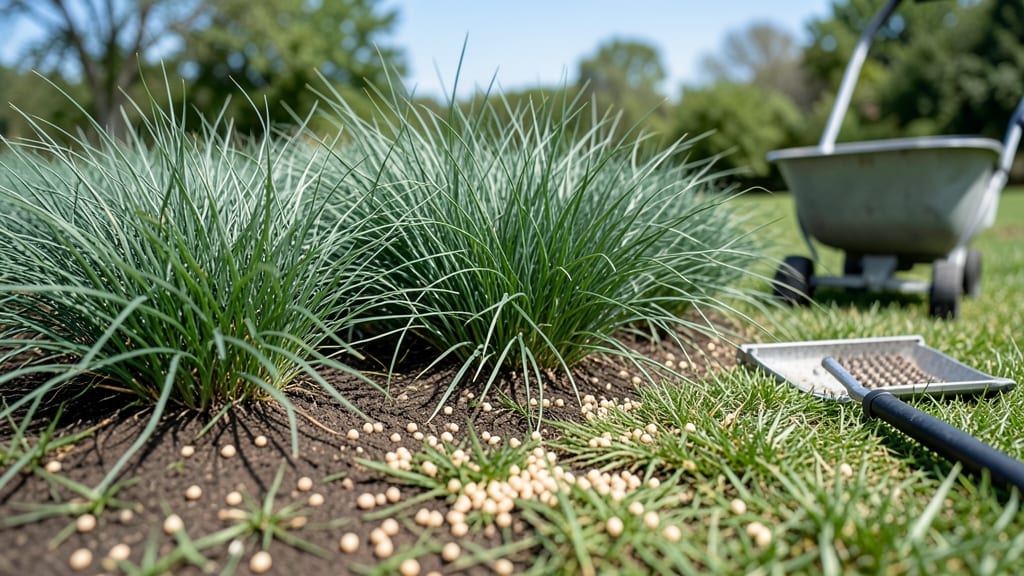
The best time to fertilize your grass is during early spring (March–April) and fall (September–October), when soil temperatures and root activity create ideal conditions for nutrient uptake. Skip fertilizing in summer heat or winter dormancy.
The timing of your lawn care directly impacts how well your grass absorbs nutrients—spring and fall are critical because soil temperatures between 50–60°F trigger rapid root growth. 🌱 In spring, fertilizing after the last frost but before intense heat helps grass establish strong roots for summer resilience.
Fall applications, especially in cooler climates, prepare grass for winter dormancy by storing nutrients underground. This two-season approach prevents nutrient runoff during heavy rains and ensures your lawn stays lush year-round.
Regional differences matter too: Northern states may fertilize in early May, while Southern lawns often benefit from late February applications. Always check your grass type—cool-season grasses like fescue thrive with spring/fall feedings, while warm-season Bermuda grass responds better to late spring/early summer treatments.
For best results, mow slightly shorter before fertilizing and water deeply afterward to activate nutrient absorption.
💡 In This Article
- How Soil Temperature and Grass Growth Cycles Determine Fertilizer Timing
- Spring vs. Fall Fertilizer Application: Month-by-Month Regional Guide
How soil temperature and grass growth cycles determine fertilizer timing
Grass roots become most active when soil temperatures consistently reach 50-60°F, creating the perfect window for nutrient absorption. This temperature range triggers cellular metabolism in roots, allowing them to grow 2-3 times faster than in cooler or warmer conditions.
Think of it like waking up from hibernation—roots need this moderate warmth to efficiently process nitrogen, phosphorus, and potassium from fertilizer. When temperatures drop below 40°F or climb above 75°F, root activity slows dramatically, making fertilization ineffective.
The science behind this involves a process called osmotic uptake, where roots absorb water and dissolved nutrients through microscopic pores called stomata. At optimal temperatures, these pores remain open longer, allowing up to 60% more nutrient absorption compared to stressed conditions.
Summer heat causes roots to retreat deeper into the soil to escape evaporation, while winter dormancy forces them into a survival mode where nutrient processing nearly stops. This is why spring and fall—when temperatures are stable—offer the best conditions for fertilization.
What most people don't realize is how quickly grass responds to these temperature cues. For example, Kentucky bluegrass can grow 0.5 inches per week during spring's ideal window, while Bermuda grass may only grow 0.25 inches per week in summer heat—yet both types need the same nutrient boost.
The key difference is that spring-fed grass builds a thicker root zone (up to 6 inches deep by late spring), making it more drought-resistant. Fall fertilization, meanwhile, helps grass store nutrients underground as carbohydrates, which fuel early spring growth.
Regional variations create additional complexity. In the Pacific Northwest, soil may stay cool until late April, while Texas lawns can fertilize as early as February.
The rule of thumb is to wait until you can push your hand 4-6 inches into the soil and feel it warm to your wrist—this indicates root-friendly temperatures.
Heat stress in summer causes fertilizer to burn grass blades (visible as brown patches) because the plant can't process nutrients fast enough, while winter applications simply wash away before roots can use them.
Here's what actually happens when you fertilize at the wrong time: In summer, excess nitrogen converts to nitrate, which leaches into groundwater. In winter, fertilizer sits dormant in the soil until spring rains carry it away.
The ideal timing ensures 90% nutrient utilization versus 30-40% during off-seasons. This is why professional lawn care services schedule applications based on soil thermometers rather than calendar dates.
Pro tip: Use a soil thermometer ($10 at garden centers) to check temperatures at 4-inch depth before fertilizing. Most grasses show visible stress when soil temps exceed 80°F for more than 3 days.
By aligning fertilization with these natural cycles, you're essentially working with your lawn's biological clock—not against it. 🌱