
Fertilization
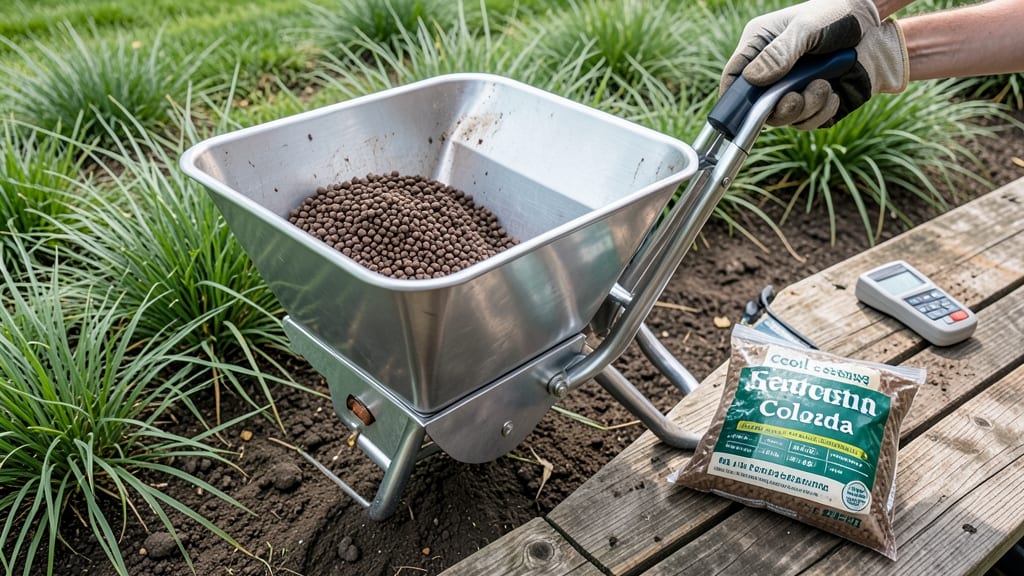
Fertilizing your lawn in Colorado at the right time—spring and fall—is the key to a thick, green carpet that survives our dry climate and sudden frost. 🌱
Colorado’s unpredictable weather—from early spring frosts to late fall freezes—can make lawn fertilization tricky. Timing your feedings wrong means wasted money or weak grass, but get it right, and you’ll have a lush, resilient lawn all season long.
Most Colorado lawns thrive when you fertilize twice a year: once in early spring (April–May) to kickstart growth and again in early fall (August–September) to strengthen roots before winter. But altitude and grass type—like Kentucky bluegrass or drought-tolerant buffalograss—can shift those windows by weeks.
Below, I’ll walk you through the exact schedule for your region, how to read your soil’s needs, and the 3 mistakes that burn grass instead of feeding it—so you avoid the costly guesswork.
Optimal Colorado lawn fertilization schedule by season (spring & fall focus)
Colorado’s cool-season grasses like Kentucky bluegrass and fescue thrive with seasonal fertilization, but timing is everything. Unlike warmer climates, our spring and fall feedings are critical—spring kickstarts growth after winter dormancy, while fall strengthens roots before freeze.
High-altitude areas (like Denver) need adjustments, too, since soil warms slower than lower elevations.
Most Colorado lawns benefit from 3-4 feedings per year, but the key is aligning applications with soil temperatures and grass growth cycles. For example, fertilizing too early in spring (when soil is still cold) wastes nutrients, while late summer feedings can stress grass before winter.
Let’s break down the month-by-month schedule tailored to Colorado’s climate zones.
Pro Tip: Always test your soil first! Colorado’s alkaline soils (common in the Front Range) often need lime adjustments before fertilizing. A simple pH test kit (available at local nurseries) costs $10 and saves you from overcorrecting.
🌱 Colorado Lawn Fertilization Schedule by Month
| Month | Task | Soil Temp Trigger | Notes |
|---|---|---|---|
| March | Pre-emergent herbicide (if needed) | 40°F+ | Target crabgrass before germination. Wait 2-3 weeks before fertilizing. |
| April | First Spring Feeding | 50°F+ (consistent) | Use high-nitrogen (24-0-5) for green-up. Slow-release lasts 6-8 weeks. |
| May | Second Feeding (if needed) | 60°F+ | Skip if grass is already thick. Light feeding prevents burning. |
| June-July | No Fertilizer | N/A | Grass goes dormant in heat. Water deeply instead (1" per week). |
| August | Pre-Fall Feeding | 70°F+ | Boost roots with balanced fertilizer (16-4-8) 4-6 weeks before frost. |
| September | Final Fall Feeding | 55°F+ | Use slow-release for winter resilience. Stop by October 1. |
| October-Nov | None | N/A | Grass enters dormancy. Focus on leaf cleanup and aeration. |
For high-altitude lawns (e.g., Boulder, Estes Park), delay spring feedings until May 1 when soil reaches 55°F+. These areas often have shorter growing seasons, so prioritize fall fertilization—it’s your best chance to build root strength before winter.
Pro tip: Use a soil thermometer ($15 at garden centers) to track temperatures.
Choosing between quick-release and slow-release fertilizers depends on your grass type. Kentucky bluegrass benefits from slow-release in spring (feeds for 8 weeks), while Bermuda grass (common in Southern Colorado) handles quick-release better for fast green-up. Always water deeply after applying—this helps nutrients reach roots and prevents runoff.
One critical mistake Colorado gardeners make? Fertilizing before rain. If a storm is forecast, wait 24-48 hours to let granules settle into soil. Otherwise, you’ll wash away 30-50% of nutrients, costing you money and weakening your lawn.
Pair fertilization with light aeration (rent a core aerator for $60/day) to improve nutrient absorption.
Need a quick reference? Bookmark this schedule and adjust based on your local last frost date. For example, Colorado Springs’ last frost is around May 1, while Grand Junction’s is April 15.
Always err on the side of earlier fall feedings—a strong root system is your lawn’s best defense against winter dieback.
How Colorado’s microclimates affect fertilizer timing (Front Range vs. Western Slope)
Colorado’s dramatic elevation changes create distinct microclimates that drastically alter when and how you should fertilize your lawn. The Front Range (Denver metro, Boulder, Fort Collins) experiences cooler, wetter springs and hotter summers compared to the Western Slope (Grand Junction, Durango), where arid conditions dominate.
These differences mean your fertilizer schedule and grass type choices should shift based on where you live.
In the Front Range, clay-heavy soils retain moisture longer, allowing for more frequent feedings, while the Western Slope’s sandy soils dry out quickly, requiring drought-resistant grasses like buffalograss or blue grama.
Water availability also plays a critical role—Front Range lawns can handle spring and fall fertilizations, while Western Slope lawns often thrive with just one fall feeding to survive summer droughts.
| Region | Soil Type | Best Grass Types | Fertilizer Schedule | Water Needs |
|---|---|---|---|---|
| Front Range (Denver, Boulder) | Clay-heavy | Kentucky Bluegrass, Fescue, Ryegrass | Spring (April-May), Fall (Sept-Oct) | Moderate (1" per week) |
| Mountain Foothills | Loamy | Fine Fescue, Wheatgrass | Spring (May), Fall (Aug-Sept) | High (2" per week in summer) |
| Western Slope (Grand Junction) | Sandy/Loamy | Buffalograss, Blue Grama | Fall Only (Sept-Oct) | Low (Drought-tolerant) |
For Front Range lawns, I recommend a two-feed schedule: early spring (April) to kickstart growth after winter dormancy and early fall (September) to strengthen roots before cold snaps. Use a slow-release fertilizer with 24-0-5 NPK ratio to avoid nitrogen runoff during Colorado’s unpredictable rain showers.
On the Western Slope, where summers are bone-dry, I switch to a single fall feeding in September. This timing helps grass establish deep roots before winter, reducing water needs next spring. Choose low-nitrogen fertilizers (like 10-0-10) to prevent burning drought-stressed grass.
Pro tip: Test your soil’s pH and nutrient levels before fertilizing—Front Range clay soils often need lime adjustments, while Western Slope sands may require organic matter amendments like compost. Adjust your schedule based on these findings to avoid wasting fertilizer.
Remember, Colorado’s elevation changes mean your neighbor’s perfect timing might not work for you. Pay attention to your local last frost dates and adjust feedings accordingly—typically 4-6 weeks after frost for spring and 6-8 weeks before first frost in fall.