
Lawn
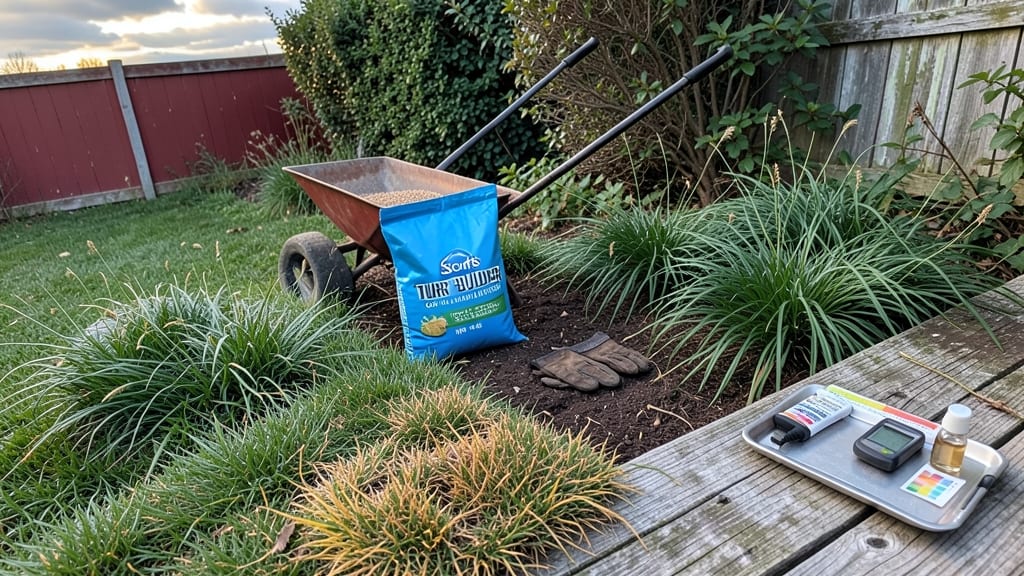
Fertilizing your lawn in Colorado at the right times—spring and fall—is the key to that deep green carpet you’ve been dreaming of 🌱.
Colorado’s unpredictable weather and high-altitude conditions demand a strategic approach to lawn care—especially when it comes to fertilization. Timing your feedings right can mean the difference between a lush, green lawn and one that struggles to thrive.
Most gardeners know spring is the prime time, but many skip the fall feeding, which is just as critical for root strength before winter. Whether you’re in Denver’s Zone 5b or Colorado Springs’ 6a, the rules shift with elevation and soil type.
Below, I’ll break down the exact months to fertilize, how to adjust for Colorado’s unique challenges, and the simple pre- and post-care steps that make all the difference.
Optimal Colorado lawn fertilization schedule by season: spring vs fall timing
Colorado’s high-altitude climate and variable weather patterns create unique challenges for lawn fertilization. Unlike warmer climates, Colorado’s cool-season grasses (like Kentucky Bluegrass and Fescue) thrive with spring and fall feedings, while warm-season grasses (like Bermuda) have different needs.
Getting the timing right ensures your lawn absorbs nutrients efficiently and avoids waste.
Soil temperatures below 50°F slow nutrient absorption, making early spring or late fall feedings risky. Meanwhile, summer droughts can burn grass if fertilized improperly. The key is aligning fertilization with grass growth cycles and precipitation patterns, which vary between Colorado’s Front Range and Western Slope regions.
Front Range areas (Denver, Boulder, Fort Collins) typically see fertilization windows from late April to early June and September to early October. In contrast, the Western Slope (Grand Junction, Durango) may shift these timings by 2-4 weeks later due to cooler temperatures and earlier frosts. Always check your USDA zone (5b-7a) for precise local adjustments.
For cool-season grasses, the spring feeding (April-June) kickstarts growth after winter dormancy. Choose a high-nitrogen fertilizer (24-0-6 ratio) to promote leafy growth. Apply when grass is actively green and soil is workable—never on frozen or waterlogged ground.
In the Front Range, aim for late April after snowmelt, while Western Slope lawns may wait until early May.
Fall fertilization is equally critical. A second feeding in September-October helps grass store nutrients for winter. Use a balanced fertilizer (16-4-8 ratio) to strengthen roots before dormancy. In Denver/Boulder, this window closes by early October, while Grand Junction can extend to mid-September due to later frosts.
Always stop 6 weeks before first frost to avoid promoting late-season growth.
Colorado’s alkaline soils (pH 7.5-8.5) can lock out nutrients like iron and manganese, even with proper fertilization. Test your soil in early spring and adjust pH if needed—aim for a neutral to slightly acidic range (6.0-7.0).
Organic options like compost or bone meal work well in these conditions, while synthetic fertilizers may require chelated micronutrients for better absorption.
One common mistake is fertilizing warm-season
How to adjust fertilization for Colorado’s unique soil and altitude challenges
Colorado’s high-altitude lawns face unique challenges that demand a tailored fertilization approach. The thin air and alkaline soils common across the state can make nutrients less available to grass roots.
Without adjustments, your lawn might struggle to absorb fertilizers effectively, leading to patchy growth or wasted money on products that don’t work.
First, understand that elevation matters. Lawns above 5,000 feet often require 20-30% more nitrogen due to lower oxygen levels. Meanwhile, clay-heavy soils in the Front Range can compact easily, restricting root access to nutrients.
These factors mean a one-size-fits-all fertilizer schedule won’t cut it—especially when drought conditions further stress your grass.
Colorado’s pH levels (7.4-8.4) often create a nutrient lockout, where essential elements like iron and phosphorus become unavailable. Applying high-phosphorus fertilizers (e.g., 10-20-10) can worsen the problem by encouraging weed growth.
Instead, opt for low-phosphorus, high-nitrogen blends (24-0-6) and soil amendments like sulfur to lower pH gradually. Always test your soil before fertilizing—skip the guesswork!
For drought-resistant grass types, consider fine fescue or tall fescue, which thrive in Colorado’s low-moisture conditions. These varieties also tolerate thin, rocky soils better than Kentucky Bluegrass.
If you’re committed to Bluegrass, pair it with regular aeration to combat soil compaction—a common issue in high-traffic areas like Denver or Colorado Springs.
When choosing between organic vs. synthetic fertilizers, organic options like composted manure or bone meal can improve soil structure over time, but they release nutrients slower. Synthetic fertilizers offer immediate results, which is ideal for spring green-up or fall root strengthening.
My recommendation? Use organic in fall to build soil health and synthetic in spring for quick growth.
Timing is everything—especially in Colorado’s unpredictable weather. Avoid fertilizing during drought periods or when temperatures exceed 85°F, as this can burn grass roots. Instead, fertilize in early morning when dew is present, and always water deeply afterward to help nutrients penetrate the soil.
Pro tip: Split applications in spring (e.g., March and May) prevent nutrient runoff from sudden rainstorms.
Finally, avoid common mistakes like skipping soil tests or ignoring mowing height adjustments post-fertilization. Keep grass 3-4 inches tall after feeding to encourage deeper root growth—critical for surviving Colorado’s freeze-thaw cycles. With the right adjustments, your lawn can thrive despite the challenges of high-altitude gardening.