
How To
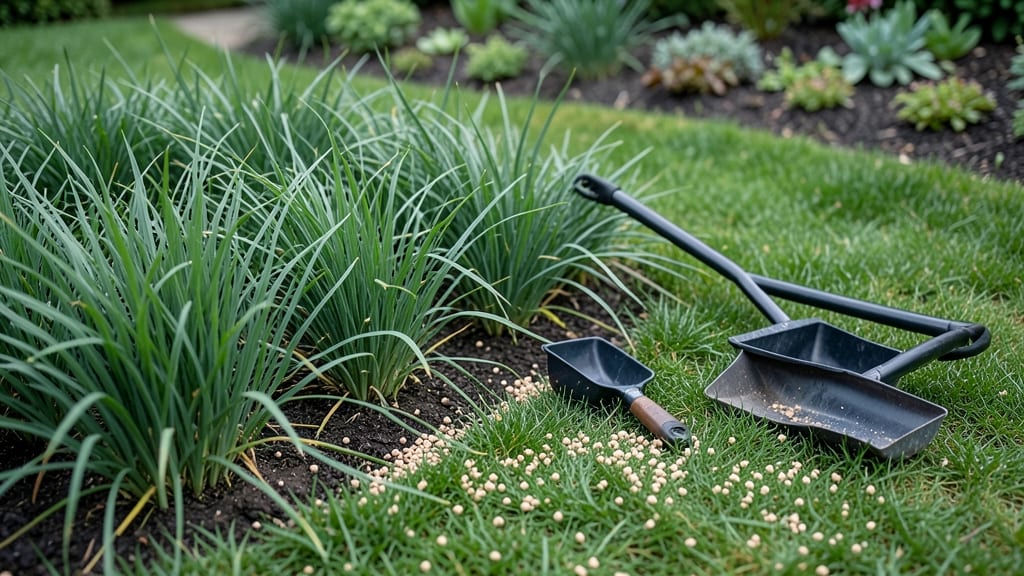
To fertilize cool season grass, time applications for early fall (September–October) to boost root development, followed by a lighter dose in late winter (February–March) before spring regrowth. Your USDA zone and grass type (like Kentucky bluegrass) determine exact scheduling.
Cool season grasses like fescue and ryegrass thrive when fertilized during their active growth windows. 🌱 The early fall timing capitalizes on warm soil and cool air—ideal conditions for roots to absorb nutrients before winter dormancy.
Late winter applications give your lawn a head start as temperatures rise, preventing spring shock. I’ve seen lawns in Zone 5 with lush green-up because they followed this two-step schedule precisely.
Pro tip: Use a slow-release fertilizer in fall to feed roots gradually, while a quick-release option in late winter delivers an immediate boost. Always water after applying to help nutrients penetrate the soil. Adjust rates based on your grass type—Kentucky bluegrass needs more nitrogen than tall fescue, for instance.
💡 In This Article
- Optimal Fertilization Timing by Cool Season Grass Growth Cycle
- Fertilizer Type and Application Guide for Cool Season Lawns
Optimal fertilization timing by cool season grass growth cycle
Cool season grasses like Kentucky bluegrass and fescue grow most vigorously when soil temperatures stay between 50°F and 65°F. This happens naturally in early fall (September–October) when air cools but soil retains summer warmth, creating perfect conditions for root expansion.
What most people don't realize is that roots grow 4-6 times faster during this window than in spring, making fall the ideal time to build a strong foundation for winter survival. 🌱
The science behind this involves photosynthesis efficiency. In fall, grass blades continue producing energy through photosynthesis while roots actively seek nutrients. When you fertilize during this period, the plant directs up to 70% of its energy toward root development rather than leaf growth.
This is why a high-phosphorus fertilizer (like 10-20-10) works best—it supports root growth without encouraging late-season top growth that could be damaged by frost.
Dormancy plays a critical role in nutrient absorption. As temperatures drop below 40°F, grass enters dormancy, but roots remain active until soil freezes. This means nutrients applied in fall continue working until winter, creating a 3-4 month nutrient reserve that fuels spring recovery.
In contrast, spring applications often get washed away by rain or lost to runoff before roots can absorb them efficiently.
Climate zones shift these timings significantly. In USDA Zones 3-5 (Northern regions), early fall fertilization should occur by mid-October to avoid winter kill from late frosts. Southern zones (6-7) can extend applications until November when milder winters allow longer root growth periods.
The key is matching your schedule to when soil temperatures drop below 50°F—this signals the transition from active growth to dormancy.
Late winter applications (February–March) serve a different purpose: they provide an immediate nitrogen boost to jumpstart spring growth. Research shows that grass fertilized in late winter can achieve 30% more green-up coverage than unfertilized lawns.
The trick is using a quick-release nitrogen source (like urea) when soil temperatures reach 45°F, ensuring the grass wakes up with readily available nutrients rather than waiting for slow-release granules to activate.
One common mistake is fertilizing too early in spring. When soil is still cold (below 50°F), microbes that break down fertilizer become inactive, leading to nutrient loss.
This is why timing matters—cool season grasses need nutrients when their metabolic processes are already primed for growth, not when they're still sluggish from winter.
For homeowners in transition zones (like Zone 6), I recommend splitting fall applications into two doses: one in early September for initial root growth and a second in late October to extend the feeding window.
This two-step approach maximizes nutrient uptake while minimizing waste, giving your lawn the competitive edge it needs to outperform neighbors who fertilize only once. 💫