
Lawn
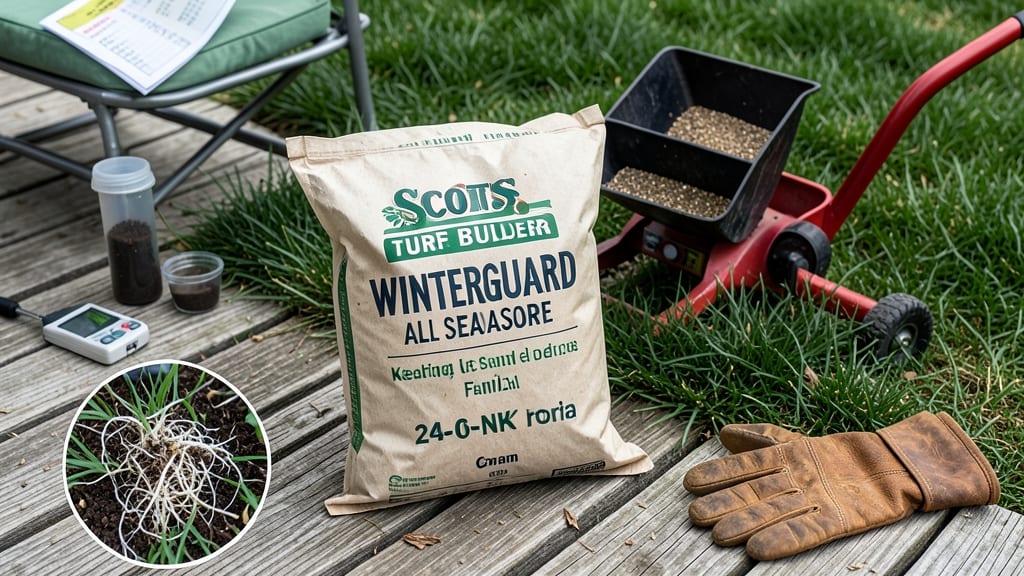
Fertilizing your Nebraska lawn at the right time means the difference between green, thick grass and patchy, struggling turf 🌱 — and the best windows are early spring and fall, when cool-season grasses like Kentucky bluegrass and tall fescue are most active.
Nebraska’s unpredictable climate—from scorching summers to freezing winters—can leave homeowners wondering: When is the best time to fertilize my lawn? Timing is everything for a lush, resilient yard, especially in cool-season grasses that dominate the state.
Skipping the early spring feed (around April) means missing the prime growth window, while overdoing it in summer can stress your lawn during drought.
Below, I’ll break down the exact schedule for Nebraska’s USDA zones 5a-6b, plus how to spot signs your grass is begging for nutrients—or begging you to stop.
You’ll also discover the best fertilizer types for Nebraska’s soil, how to avoid common mistakes (like fertilizing before rain), and when a light touch in summer keeps your lawn thriving without wasting money.
Optimal Nebraska fertilization schedule for cool-season lawns
Nebraska’s cool-season grasses like Kentucky bluegrass and tall fescue thrive with precise fertilization timing. The USDA zones 5a-7a create unique microclimates, so adjusting your schedule based on your region is key. Early spring and fall are prime windows, but summer applications can help maintain color during heat stress.
Your lawn’s growth cycle directly impacts fertilization needs. Cool-season grasses grow actively in spring and fall, while summer heat triggers dormancy. Nebraska’s variable frost dates (mid-April to mid-October) mean you’ll need to monitor local conditions closely for perfect timing.
For best results, focus on three main fertilization periods: early spring (April), late spring (May-June), and fall (September). Each application serves a specific purpose—boosting new growth, maintaining color, or strengthening roots before winter.
Here’s how Nebraska’s microclimates affect your schedule: - Western Nebraska (5a-6a): Cooler temps mean earlier spring applications - Eastern Nebraska (6b-7a): Warmer zones can delay fall fertilization by 2-3 weeks - Urban areas: Heat islands may require adjusted summer feeding
| Season | Best Months | Purpose | NPK Ratio | Notes |
|---|---|---|---|---|
| Early Spring | April | New growth | 30-0-4 | Apply after last frost |
| Late Spring | May-June | Color maintenance | 24-0-6 | 6-8 week intervals |
| Summer | July-August | Heat stress relief | 16-4-8 | Light application only |
| Fall | September | Root strengthening | 24-0-5 | Before first frost |
Your early spring application (April) should happen as soon as soil reaches 55°F and grass shows signs of green-up. Use a high-nitrogen fertilizer (30-0-4) to jumpstart growth after winter dormancy. This is critical for Kentucky bluegrass, which is particularly aggressive in spring.
In late spring (May-June), switch to a balanced fertilizer (24-0-6) every 6-8 weeks. This maintains vibrant color during Nebraska’s hot, dry summers. Water thoroughly after application to prevent burn, especially in western Nebraska where soils dry out faster.
Summer fertilization is optional but beneficial for maintaining color during heat stress. Use a light application of 16-4-8 fertilizer in July-August, but avoid fertilizing if your lawn shows signs of drought stress (blue-gray color, footprints remaining).
Fall fertilization in September is your best chance to strengthen roots before winter. Apply a slow-release fertilizer (24-0-5) 6-8 weeks before your first frost date. This helps grass recover faster in spring and improves drought resistance.
Remember that over-fertilization is a common mistake in Nebraska. Cool-season grasses don’t need feeding in winter (November-February) when they’re dormant. Also, avoid fertilizing within 48 hours of rain or mowing to prevent runoff and burn.
For organic options, consider compost tea or fish emulsion in spring, followed by bone meal in fall. These provide slow-release nutrients that match Nebraska’s variable rainfall patterns. Always test your soil first—Nebraska’s clay-heavy soils often need pH adjustment before fertilization.
Adjust your schedule based on local weather patterns. If you experience an early frost in October, move your fall application to early September. Conversely, if summer heat arrives late, delay your first spring feeding until mid-April.
Signs your Nebraska lawn needs fertilizer (and when to avoid it)
Your Nebraska lawn speaks volumes through its color and texture. If you notice pale yellow patches or thinning grass in spring, your cool-season grasses like Kentucky bluegrass are likely starving for nutrients.
These signs often appear when soil nutrients were depleted over winter or if last year’s fertilizer ran out. Dark green patches with rapid growth, however, might signal over-fertilization—a common mistake in Nebraska’s humid summers.
Another red flag is increased weed growth, especially broadleaf weeds like dandelions. When your lawn weakens from poor nutrition, weeds take over. Test your soil first—Nebraska’s alkaline soils (pH 7.5-8.5) often lack phosphorus and micronutrients, even if nitrogen levels seem adequate.
A simple soil test kit (available at local garden centers) can reveal exactly what your lawn needs before you buy fertilizer.
⚠️ ⚠️ callout-warning ⚠️
- Drought conditions: Never fertilize during heatwaves (90°F+)—it burns roots. Wait until deep watering (1-1.5 inches/week) restores soil moisture.
- Extreme heat: Skip fertilization if afternoon temps exceed 85°F for 3+ days. Grass prioritizes survival over growth.
- Frost or freezing: Avoid fertilizing 2 weeks before or after frost (typically mid-October to early April in Nebraska). Cold soil locks nutrients out of reach.
- Newly seeded lawns: Wait 6-8 weeks after overseeding before applying fertilizer to prevent seed washout.
Timing matters just as much as what you apply. In Nebraska, the best fertilization windows are early spring (April) and fall (September), when cool temperatures and consistent moisture help grass absorb nutrients efficiently.
Summer fertilization is risky—unless you’re using a slow-release, heat-tolerant formula, you’ll likely stress your lawn during peak heat. Always water your lawn deeply after fertilizing to activate nutrients and prevent runoff into storm drains.
Watch for mushroom growth or a sour smell after watering—these are classic signs of over-fertilization. Too much nitrogen creates thatch buildup, while excess phosphorus can harm local waterways. Nebraska’s USDA Zone 5a-6b climate means your lawn’s needs shift dramatically between seasons.
A fall application of a low-nitrogen, high-potassium fertilizer (like 10-0-20) strengthens roots for winter, while spring calls for high-nitrogen (30-0-4) to jumpstart growth.
Don’t ignore footprint marks that linger for hours after walking on your lawn. This indicates weak roots from poor nutrition or compacted soil. Aerate in late summer (August) to relieve compaction, then fertilize lightly in early fall to rebuild strength before winter dormancy.
Nebraska’s variable rainfall (from 20 to 35 inches annually) means you’ll need to adjust your watering schedule alongside fertilization—never fertilize if your lawn shows signs of drought stress like crispy blade tips.
Finally, compare your lawn’s appearance to a healthy Nebraska grass standard: vibrant green, dense, and springy underfoot. If yours falls short, start with a soil test, then fertilize in April and September using a slow-release formula.
Remember, Nebraska’s cool-season grasses grow best when fed before they show hunger signs—preventative care beats catch-up treatments every time. 🌱