
Lawn
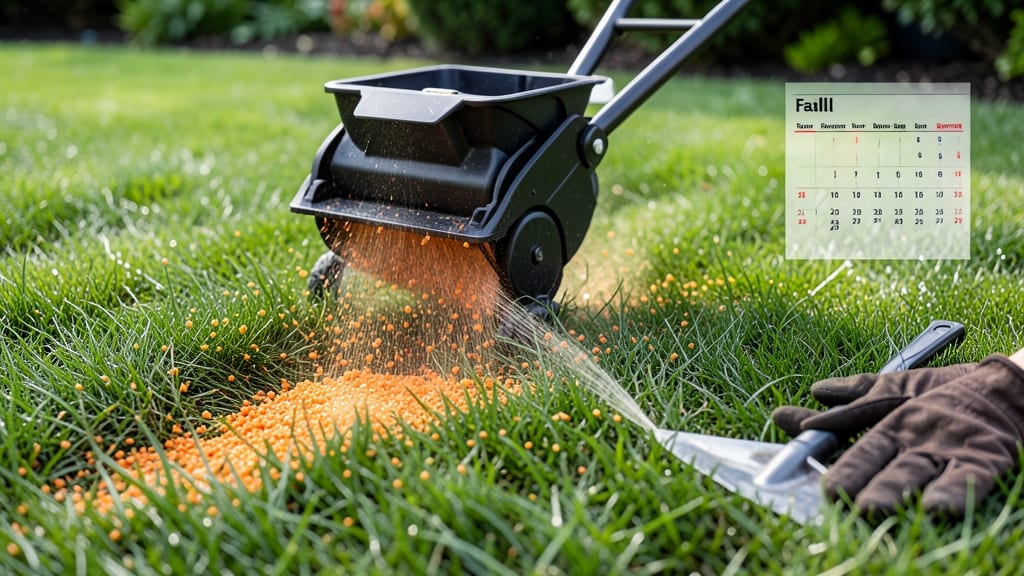
Fertilizing your lawn at the right times ensures a vibrant, healthy green space year after year — and missing those windows can leave you with patchy, weak grass that never quite recovers.
Timing matters more than you might think. Too early, and you waste nutrients; too late, and your grass struggles to take advantage of the boost.
The secret lies in aligning your feeding schedule with your grass type and climate zone, whether you're in the chilly north or the warm south.
In this guide, I’ll break down the best fertilization schedule for your 🌱 lawn grass, including when to feed in spring, summer, and fall — plus how to adjust for rain, drought, and other tricky conditions. No guesswork, just science-backed timing for a lawn that stays lush all season.
You’ll also learn how to spot signs of over- or under-fertilization, so you can avoid common mistakes that leave lawns looking more like a science experiment than a well-maintained yard. Let’s get started!
Best fertilization schedule by climate zone: cool vs warm season grasses
Your lawn's health depends on timing—especially when it comes to fertilization. Cool-season grasses like fescue and bluegrass thrive in Northern climates, while warm-season types such as Bermuda and Zoysia dominate Southern regions. Each type has distinct growth cycles that dictate when to feed for peak results.
In cool-season zones (USDA Zones 3-7), grasses wake up in early spring and grow until fall frost. Meanwhile, warm-season grasses (Zones 7-11) stay dormant in winter but surge in late spring through summer. Applying fertilizer at the wrong time can waste money or even harm your lawn.
Here’s how to align your fertilization with your grass type and climate for a year-round green result:
For cool-season grasses, focus on spring and fall feeding to match their active growth periods. In warm climates, prioritize late spring through summer when grasses are most active. Always check soil temperatures—cool-season grasses need soil above 50°F, while warm-season types require 65°F+.
Pro tip: Use a soil thermometer to time applications perfectly. For example, in Zone 5, fertilize fescue in early May when soil hits 55°
How to adjust your fertilizer plan for rainy seasons and drought conditions
Rainy seasons and droughts can completely disrupt your lawn's nutrient balance if you don't adjust your fertilization strategy. Too much rain washes away essential nutrients, while drought can concentrate fertilizers to harmful levels. The key is timing applications to match your local climate patterns and soil moisture levels before fertilizing.
For wet climates, I always wait 48 hours after heavy rain before applying fertilizer. This prevents nutrient runoff into storm drains, which harms local waterways. In drought-prone areas, I check soil moisture with a simple screwdriver test—if it's dry at 3 inches deep, fertilization is safe.
But if the soil feels damp, I wait another week to avoid burning roots.
Never fertilize within 24 hours of rain or when drought warnings are active. In USDA Zone 7b+, I pause fertilization entirely during monsoon season (July-August) to prevent soil erosion and nutrient loss.
I've found that slow-release fertilizers work best in unpredictable climates. These formulas like Milorganite or Osmocote release nutrients gradually, giving your lawn a steady supply even if rain washes some away.
For drought conditions, I switch to organic options like compost or bone meal, which improve soil structure while providing nutrients.
Always apply fertilizer in the early morning during dry conditions. This allows nutrients to soak into the soil before afternoon heat or rain can interfere.
I also use a spread rate of 0.5 lbs per 1,000 sq ft in drought areas, about half the standard dose, to prevent salt buildup that stresses grass roots.
After fertilizing, I monitor my lawn closely for 3-5 days. Look for signs of stress like yellowing tips or crispy patches—these indicate over-application. In drought conditions, I water deeply 2-3 times per week to help flush nutrients into the root zone without overwhelming the grass.
For rainy seasons, I increase mowing frequency to 1-2 times per week to prevent thatch buildup.
Remember that local weather patterns matter most. I consult my NOAA Climate Data for my region to adjust my schedule. For example, in Pacific Northwest winters, I skip fall fertilization entirely, while in Arizona, I fertilize lightly in October to prepare for winter dormancy.
The right adjustments make all the difference for a resilient lawn.