
Lawn
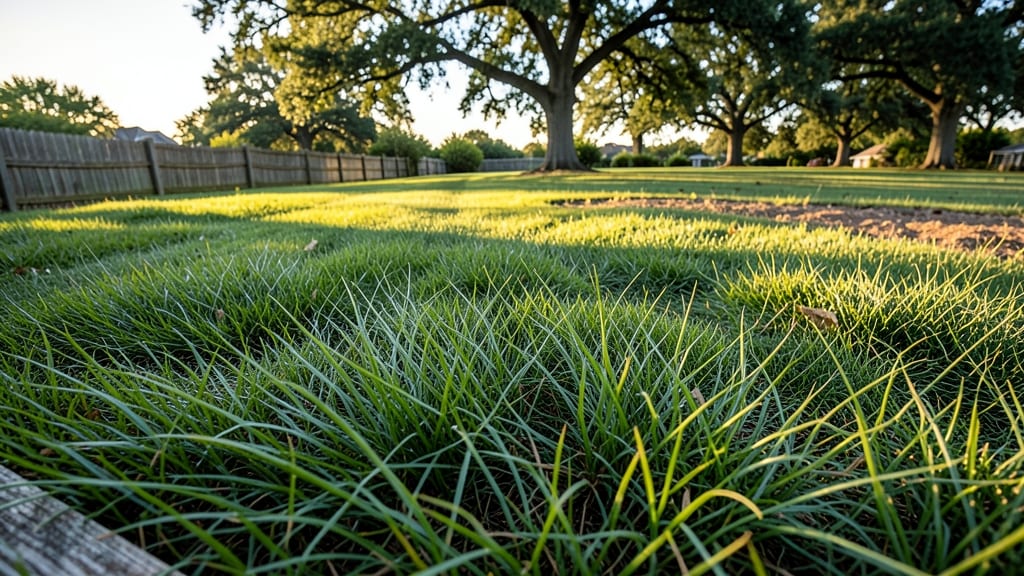
Struggling to keep your lawn vibrant through heatwaves, droughts, or heavy foot traffic? These 10 climate-resistant grass types offer lush, low-maintenance solutions tailored to your region’s challenges—from sun-scorched summers to freezing winters.
Bermuda Grass For Hot Southern Climates
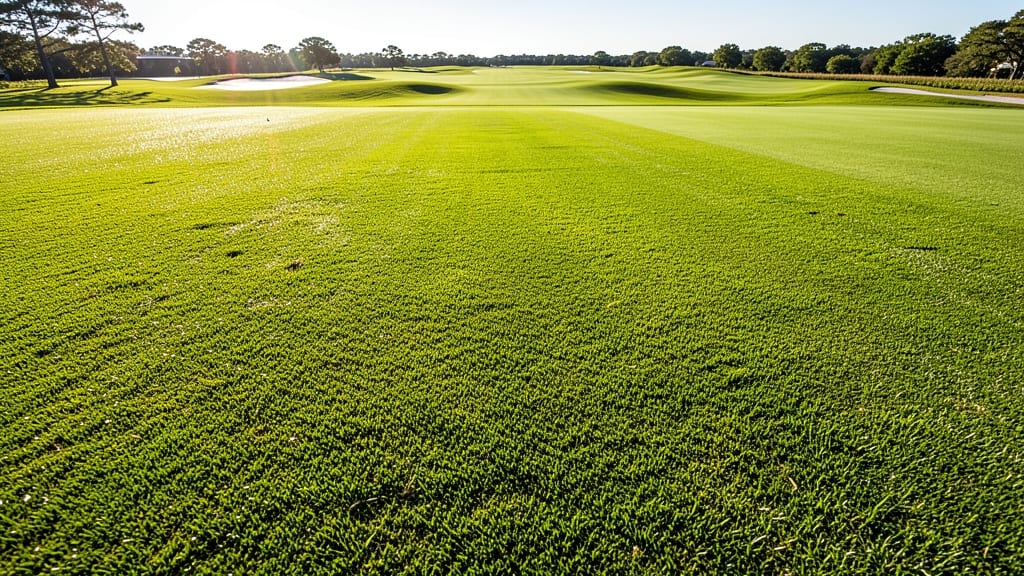
If you live in the Deep South where summer temperatures hit triple digits and droughts are common, Bermuda grass is your secret weapon for a lush, green lawn. This heat-loving grass thrives in USDA zones 7-10, making it the gold standard for golf courses, sports fields, and high-traffic areas where other grasses would wilt.
What sets Bermuda apart is its drought tolerance—once established, it goes dormant rather than brown out, and it bounces back with just a drink of water. However, its rapid growth means you’ll need to mow every 5-7 days during peak season to prevent it from forming seed heads (those pesky "grass gone wild" patches). For best results, fertilize lightly in spring and early summer, and avoid heavy foot traffic until the grass is fully recovered from dormancy.
This grass is ideal for homeowners in hot climates who want a durable, low-water lawn but are willing to trade frequent mowing for resilience. If you can handle the upkeep, Bermuda delivers year-round green beauty with minimal fuss once it’s settled in. ✨
Kentucky Bluegrass For Northern Lawns
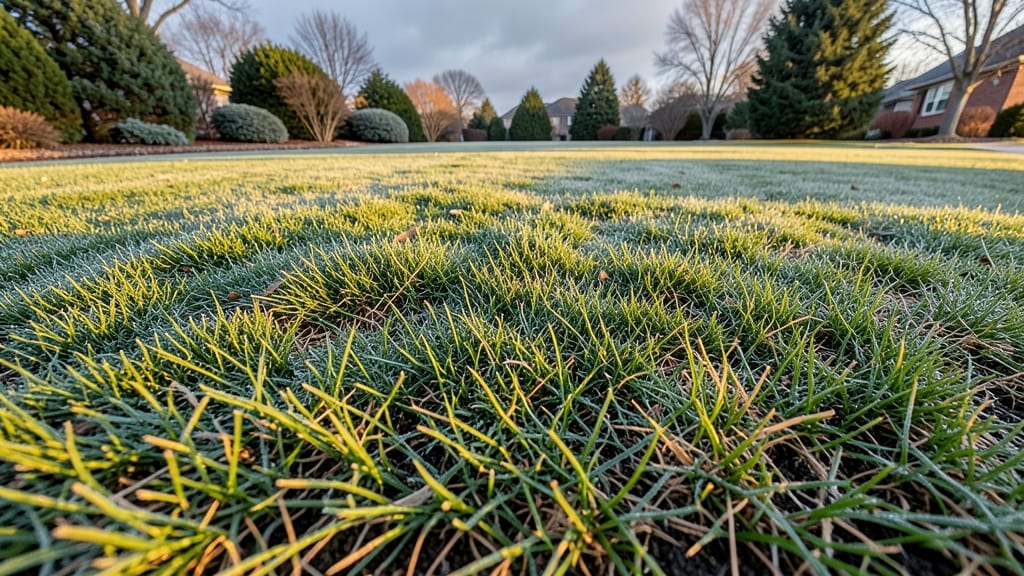
If you live in zones 3-7 and want a lawn that survives brutal winters and occasional dry spells, Kentucky bluegrass is your best bet. Unlike heat-loving Bermuda grass, this cool-season favorite thrives where temperatures drop below freezing, returning to vibrant green as soon as spring arrives.
Once established, its deep root system (up to 6 inches) makes it surprisingly drought-tolerant, but the key to success is consistent moisture during its first growing season. Water deeply 2-3 times per week until roots develop, then reduce to 1 inch per week. The soft, fine texture is ideal for families with kids or pets, though it does require regular mowing (2.5-4 inches) to prevent browning and maintain its signature lush look.
Perfect for homeowners in the Midwest and Northeast, Kentucky bluegrass delivers year-round beauty with minimal effort once rooted—just don’t let it dry out in summer. 🌱
Zoysia Grass For Low-Maintenance Beauty
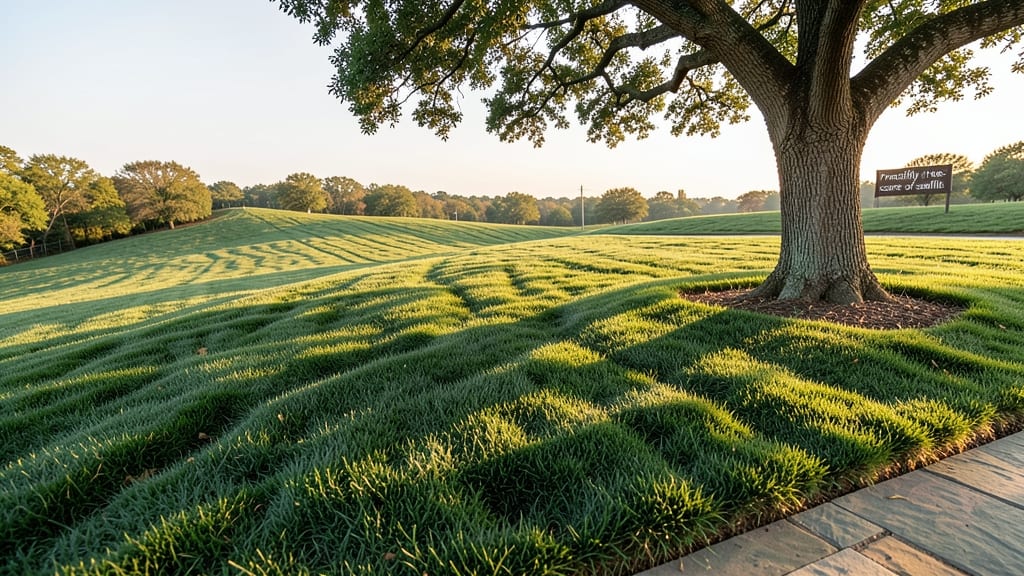
If you want a lawn that practically takes care of itself while still looking stunning, Zoysia grass is your secret weapon. Unlike high-maintenance varieties, it thrives on neglect—drought-resistant once established and happy in partial shade, making it perfect for busy homeowners in USDA zones 5-10.
This grass turns a striking purple hue in winter (a natural frost indicator) but bounces back to vibrant green with minimal spring care. Mow it less frequently than Kentucky bluegrass—every 3-4 weeks in growing season—and it stays dense with fewer weeds. For best results, overseed in early spring with a warm-season variety like 'Emerald' or 'Meyer' for a softer texture.
Ideal for urban yards, parks, and sports fields, Zoysia’s resilience makes it a top choice for those who want beauty without the upkeep. 💚
Fescue Grass For Shady Lawns
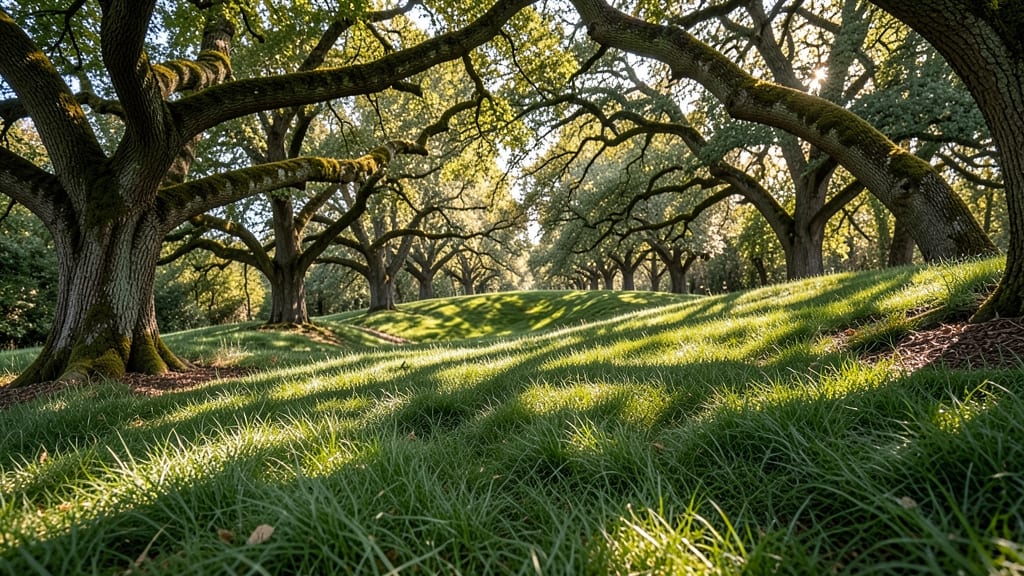
If your lawn sits under the canopy of trees where sunlight barely touches the ground, fescue grass is your secret weapon. Unlike other grasses that wilt in shade, fescue thrives in partial shade while handling high foot traffic—perfect for play areas or family gatherings.
This cool-season grass (ideal for zones 4-8) stays lush longer into fall and recovers faster from damage than Kentucky bluegrass or Bermuda. Its deep roots also mean it needs less frequent watering once established. For best results, mow at 2.5-3.5 inches and overseed in early fall for a thicker, greener lawn.
Fescue is especially great for beginners or urban gardeners with shaded yards—it’s forgiving, durable, and keeps looking vibrant when other grasses give up. 🌿
St. Augustine Grass For Humid Regions
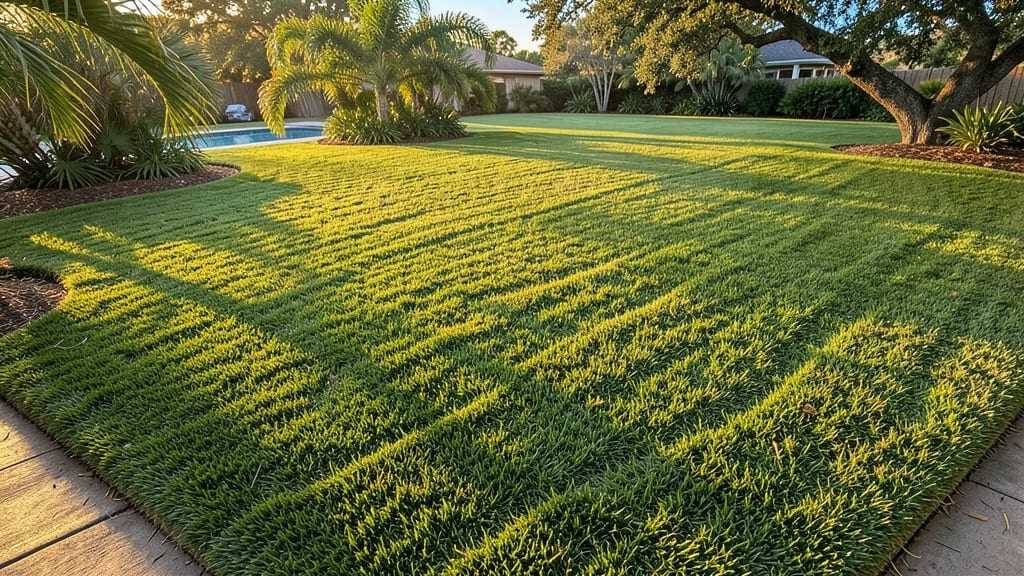
If you live in zones 7-10 and dream of a lush, tropical lawn that thrives in heat and humidity, St. Augustine grass is your perfect match. This broadleaf beauty spreads quickly through stolons, filling bare spots faster than most grasses—ideal for filling in gaps after summer stress or new installations.
To keep it looking its best, schedule monthly fertilization during growing seasons (spring through fall) and stay vigilant against pests like chinch bugs and grubs. Mow weekly at 3-4 inches to maintain its signature soft texture while encouraging dense growth. The trade-off? Its love for warmth means it browns in cooler months but revives beautifully with spring rains. 🌻
Centipede Grass For Acidic Southern Soil
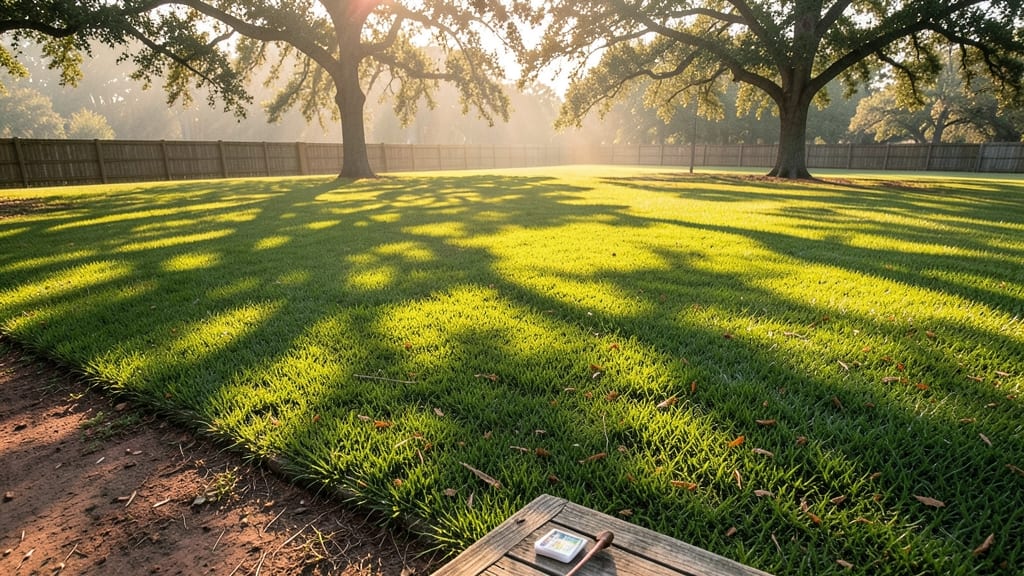
If you live in the Southeast and dread testing your soil only to find it’s too acidic for most grasses, centipede grass might just be your perfect match. This native Southern beauty thrives in acidic soil (pH 4.5-5.5) and handles drought like a pro, making it a favorite for low-maintenance lawns in zones 7-9.
Once established, centipede grass requires minimal watering and tolerates heat and humidity better than many other varieties. However, it does go dormant in winter, turning brown—a natural process that means no extra work to keep it alive. Just mow it occasionally in spring to encourage fresh growth, and you’ll be rewarded with a soft, green lawn by summer.
This grass is ideal for homeowners who want a hands-off lawn without sacrificing beauty. It’s especially great for those with acidic soil who’ve struggled with other grass types—finally, a solution that works with your soil, not against it! 🌱
Ryegrass For Temporary Cover And Fast Growth
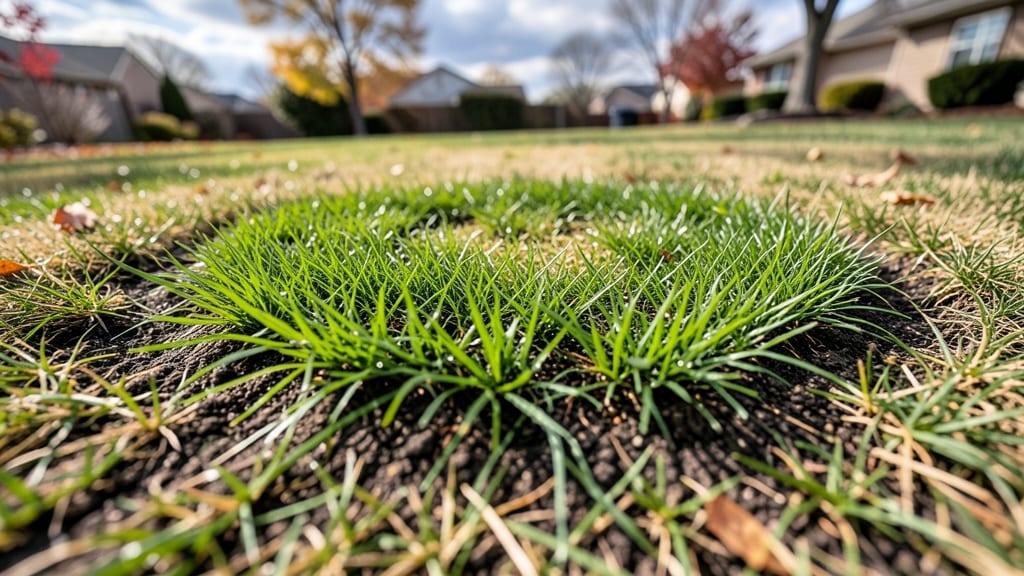
Need a quick fix for those unsightly bare patches in your lawn? Annual ryegrass is the secret weapon—germinating in just 5-10 days to deliver instant green cover across zones 3-10. Unlike permanent grasses, it’s designed for temporary solutions, making it perfect for overseeding in fall or spring.
This fast-growing grass thrives in cool weather and can handle light foot traffic, but its short lifespan (1-2 years) means you’ll need to reseed annually. For best results, plant it in late summer or early fall when soil temps drop below 80°F. It’s especially useful for filling gaps before establishing a permanent lawn or preventing erosion on slopes.
Ideal for busy homeowners or renters, ryegrass offers immediate curb appeal without the long-term commitment. Just remember: it’s not built for heat or heavy use—think of it as your lawn’s emergency green blanket. 🌱
Buffalo Grass For Native Prairie Lawns
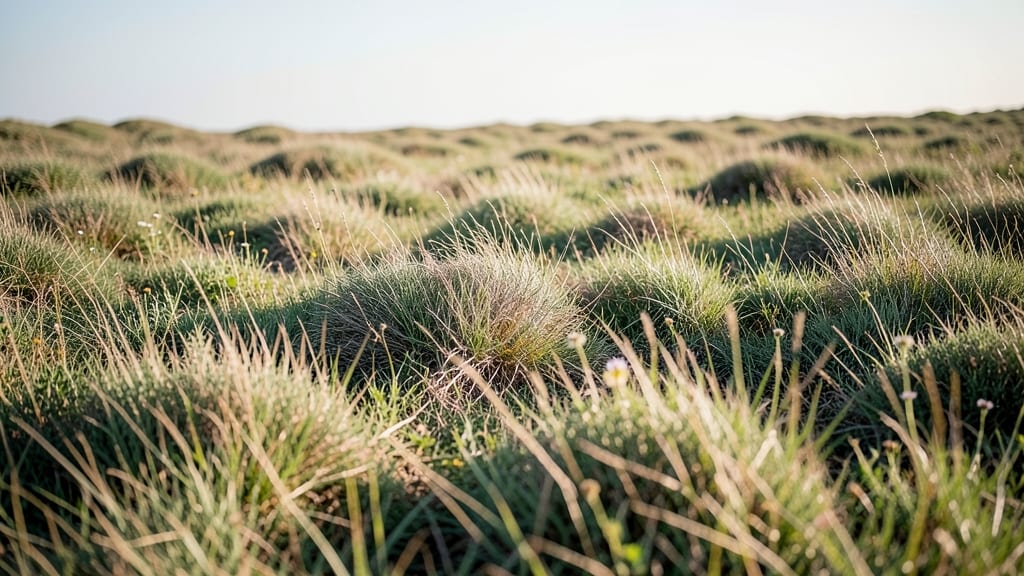
If you're looking for a lawn that thrives on neglect and supports local wildlife, buffalo grass is your answer. This native prairie grass requires almost no water once established, making it ideal for water-conscious gardeners in zones 4-9.
Unlike many grasses that turn brown and stay that way through winter, buffalo grass maintains a golden-brown hue that still looks natural and attractive. It spreads slowly but forms a dense turf that resists weeds and recovers quickly from foot traffic. Plant in full sun for best results, and mow just once or twice per year to keep it tidy.
Perfect for eco-conscious homeowners, buffalo grass supports pollinators and requires no fertilizers or pesticides. It’s the ultimate low-maintenance, water-saving lawn choice for those who want beauty without the upkeep. 🌱
Carpetgrass For Wet And Muddy Areas
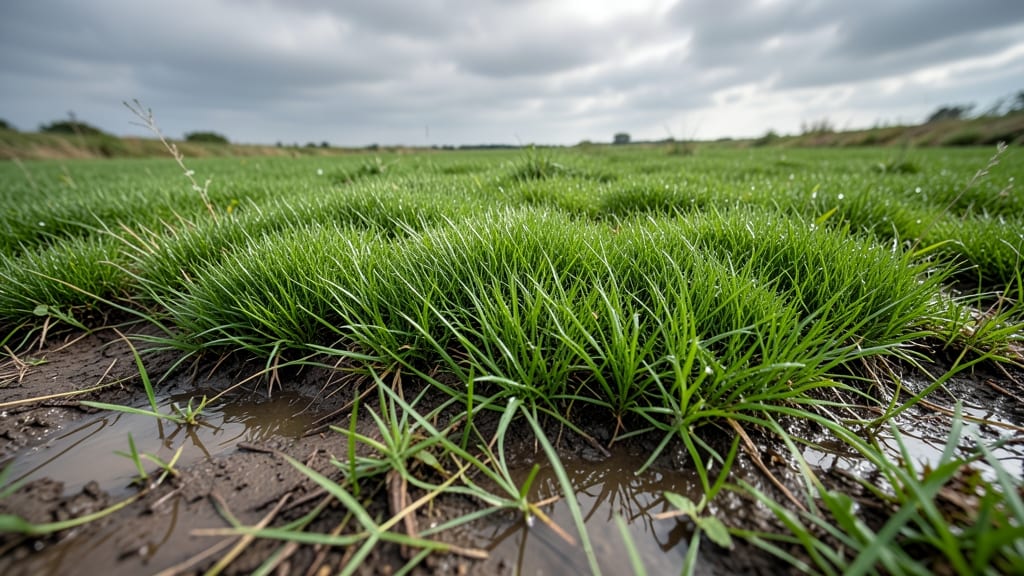
If your yard battles soggy spots or muddy puddles after rain, carpetgrass is your secret weapon for zones 6-10. This hardy grass thrives where others drown—literally—by outcompeting weeds in poor drainage and recovering from foot traffic that would flatten most lawns.
Native to the Southeast, carpetgrass spreads aggressively via stolons, forming a dense mat that chokes out weeds and stabilizes eroding soil. Mow it weekly to control its spread and keep it at 1-2 inches tall for a lush, carpet-like texture. It’s the go-to for pond edges, dog runs, or low-lying areas where other grasses refuse to grow.
Perfect for homeowners with wet or high-traffic zones, but be prepared for its relentless growth habit—it’s the lawn equivalent of a determined vine. 💪
Tall Fescue For Drought-Resistant Turf

If you're tired of watching your lawn turn brown during summer droughts, tall fescue might just be your new best friend. Unlike other grasses that struggle in heat, this deep-rooted variety thrives in zones 4-8 and stays lush even when water is scarce—once established, it only needs about 1 inch of water per week to stay vibrant.
What sets tall fescue apart is its heat tolerance and drought resilience, thanks to roots that can grow up to 6 inches deep. This means it outperforms Kentucky bluegrass in dry spells while still maintaining a soft, dense texture perfect for families and pets. For best results, plant in early fall or spring and mow at 3-4 inches to encourage deep root growth.
This grass is ideal for homeowners in transition zones between hot summers and cold winters, offering year-round greenery with minimal fuss. It’s the perfect choice for those who want a low-maintenance, drought-resistant lawn without sacrificing beauty. 🌱