
Lawn
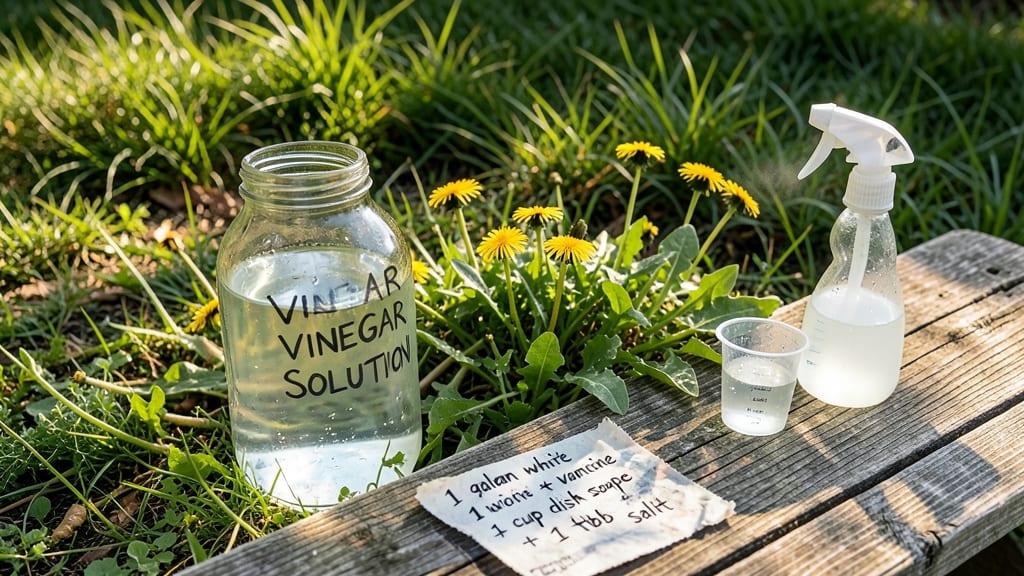
Virginia’s humid subtropical climate creates the perfect breeding ground for stubborn weeds. Learn to identify these 10 most common lawn invaders year-round—and discover eco-friendly removal methods that work without harsh chemicals.
Creeping Charlie Identification Guide
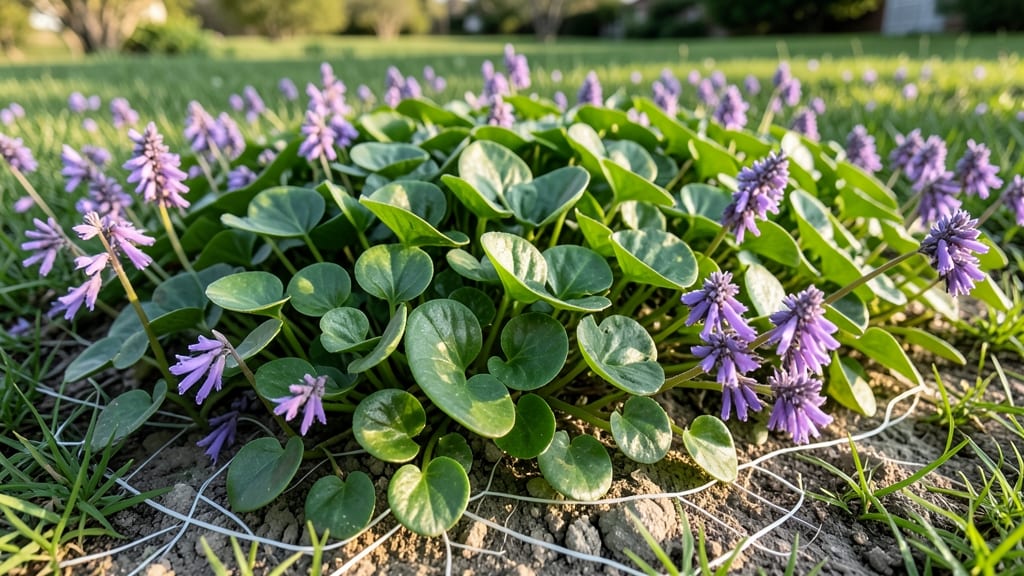
If your lawn has glossy, round leaves with a minty scent and you’re seeing clusters of purple flowers in spring, you’re likely dealing with Creeping Charlie—Virginia’s most relentless weed. This invasive ground cover spreads through underground runners, making it a nightmare for homeowners who want a clean, green lawn.
Look for its kidney-shaped leaves (similar to penny size) and the way it forms dense mats that choke out grass. The key to stopping it? Pull it early before it spreads, or use a corn gluten meal pre-emergent in fall to prevent new growth. For existing patches, smother with thick mulch or hand-pull with a weeding tool to avoid breaking those stubborn runners.
This weed thrives in shady, moist areas, so improving drainage and sunlight exposure in your lawn will also help keep it at bay. 💚
Dandelion Root Extraction Techniques
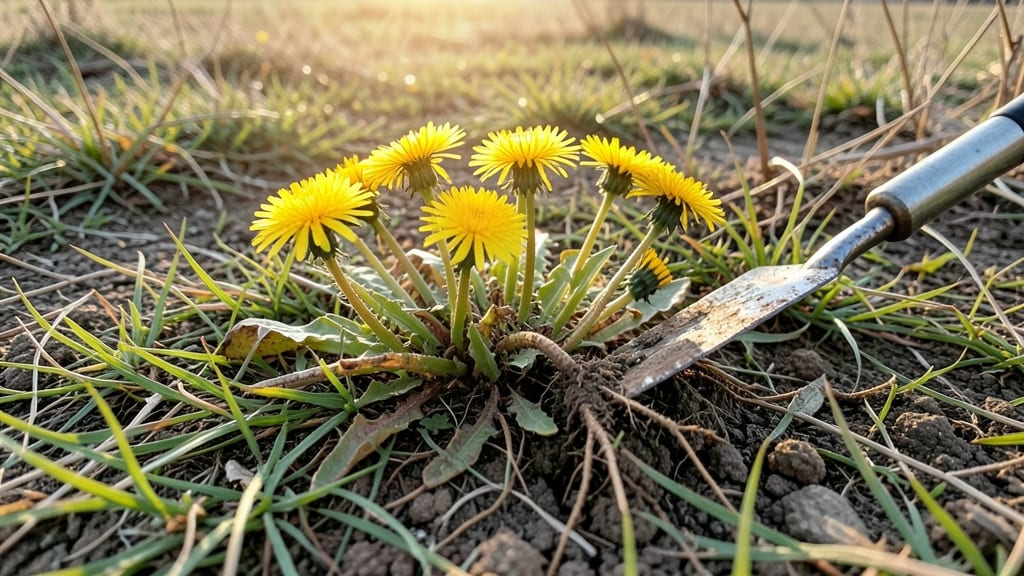
Those cheerful dandelions popping up in your Virginia lawn aren't just pretty—they're a red flag for compacted soil. Their deep taproots disrupt grass roots and indicate poor drainage, making them more than just a nuisance.
To remove them properly, use a dandelion digger (or a screwdriver in a pinch) to pierce the soil around the base, then gently wiggle the root loose. Spring and fall are ideal times for extraction when soil is soft. For stubborn roots, soak the area first with water to loosen the dirt. This method prevents regrowth and improves soil aeration for healthier grass.
This technique works best for homeowners with compacted lawns or those transitioning to organic lawn care. A few minutes of root removal now saves hours of pulling later—and helps your grass thrive. 🌱
Nutsedge Control Without Chemicals
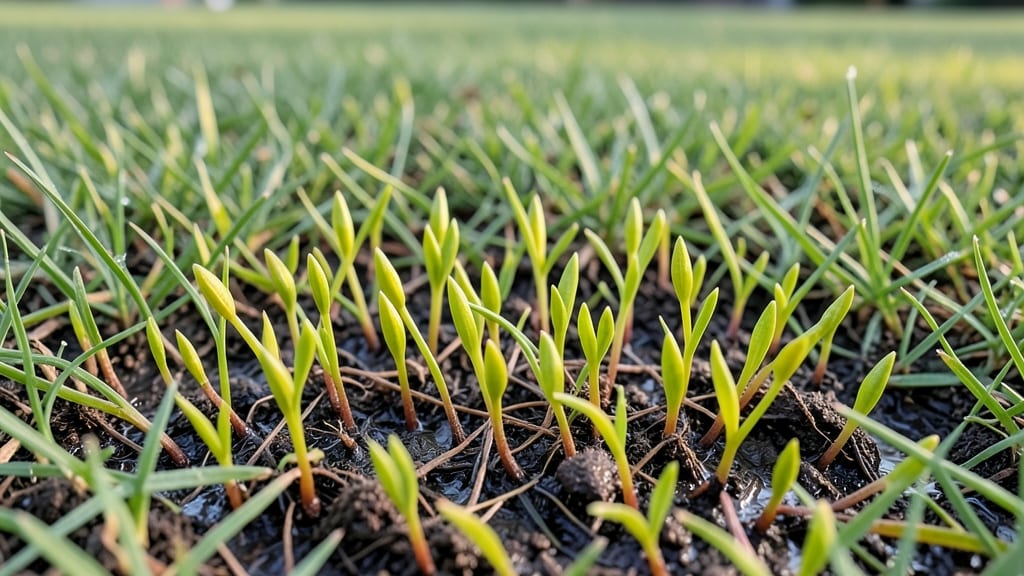
If your Virginia lawn looks like it’s battling an army of tiny, triangular invaders, you’re likely dealing with nutsedge—a weed that thrives in damp, poorly drained soil and spreads aggressively. Unlike grass, nutsedge produces yellow nutlets that sprout new plants, making it nearly impossible to eliminate with a quick pull.
For organic control, start by smothering existing plants with a thick layer of mulch (2-3 inches) or cardboard, blocking sunlight until they decompose. Alternatively, mix 1 gallon of white vinegar with 1 tablespoon of dish soap and spray directly on nutsedge in late afternoon for maximum effectiveness. Repeat every 3-5 days until the plants turn brown and die.
This method is perfect for gardeners who prefer chemical-free solutions or live in humid Virginia regions where nutsedge thrives. With consistent effort, you’ll reclaim your lawn without harming the environment. 💚
Crabgrass Prevention Calendar
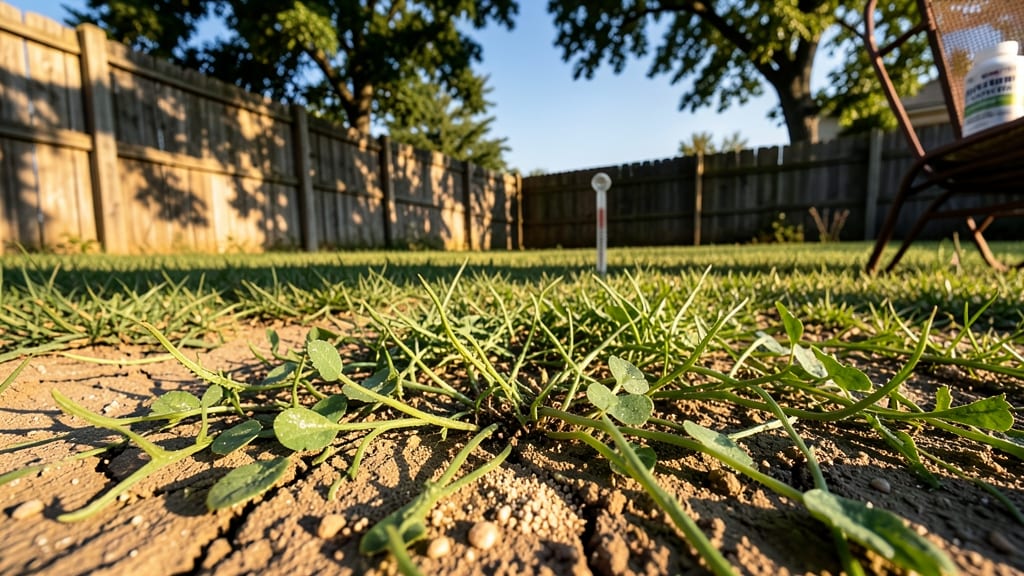
Virginia’s hot summers turn lawns into prime real estate for crabgrass, but timing is everything when it comes to prevention. Unlike other weeds, crabgrass germinates in spring when soil temps hit 55°F, giving you a narrow window to stop it before it takes over.
Apply pre-emergent herbicide between mid-March and early April (or when forsythia blooms) to create a barrier against seeds. For organic control, focus on thick grass—mow high (3–4 inches), overseed bare spots in fall, and water deeply to crowd out weeds naturally. Post-emergent treatments only work after crabgrass appears, so act early!
This strategy works best for homeowners with new lawns or those tired of yearly battles. A little prevention now means fewer weeds—and more time enjoying your lawn. ✨
Henbit Weed Elimination Methods
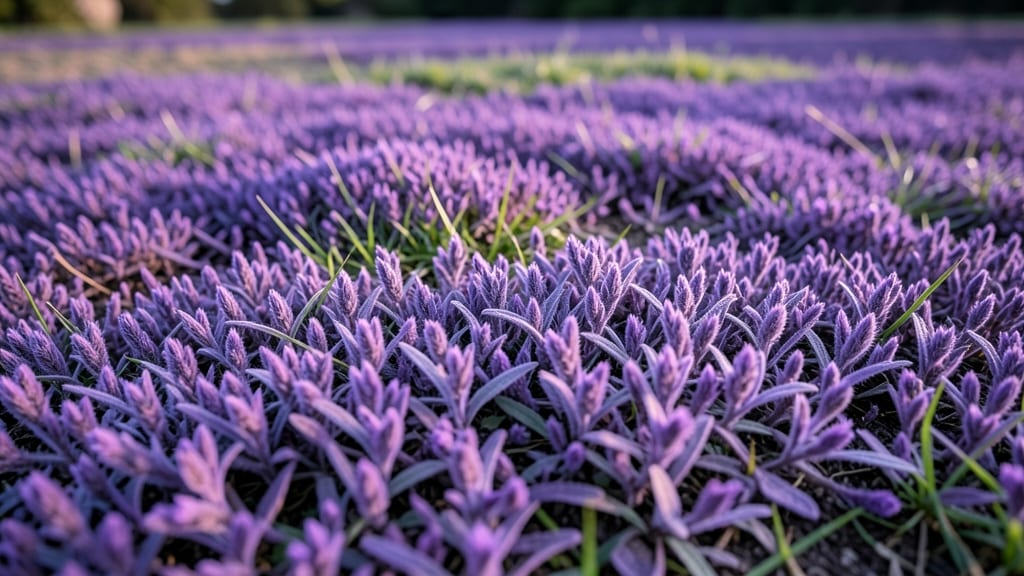
If your Virginia lawn looks like a purple carpet in early spring, you’re likely dealing with henbit, a winter annual that thrives in mild winters. Unlike summer weeds, henbit spreads aggressively before your grass even wakes up—making early action key to stopping its takeover.
Start by identifying henbit by its square stems and clusters of purple flowers. Pull it when the soil is moist (after rain or watering) to avoid breaking off the roots. For larger patches, use a weed torch (in dry conditions) or spot-treat with a vinegar-based herbicide for organic control. Timing is everything—target removal before late March, when henbit seeds and spreads rapidly.
This weed is especially tricky for homeowners with dormant lawns in winter. By acting early, you’ll protect your grass from competition and prevent henbit from becoming next year’s problem. 💪
Clover Removal Without Killing Grass
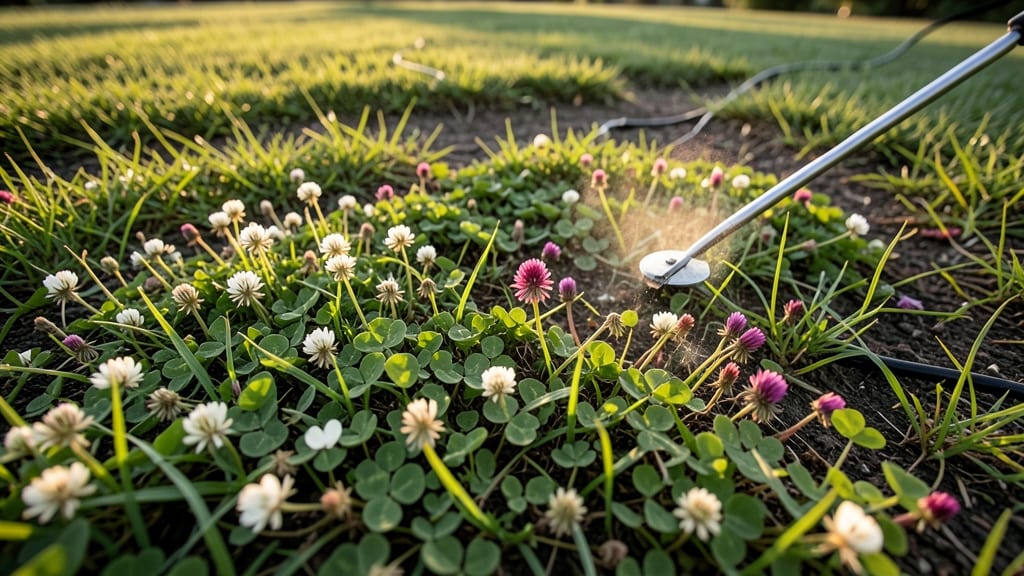
While white and red clover may seem like helpful nitrogen-fixers, they can quickly take over your Virginia lawn if left unchecked. The key to removing them without harming your grass lies in selective methods that target the clover while preserving your turf.
Use a string trimmer set to its highest setting to cut clover flowers before they seed, weakening the plant over time. For stubborn patches, manually pull clover by grasping the entire plant (including roots) with a weeding tool or gloved hands—especially effective when the soil is moist. Avoid herbicides that kill grass; instead, focus on repeated removal during spring and fall when clover is most vulnerable.
This approach works best for homeowners with established lawns who want to maintain grass health while reducing clover dominance. With patience, your lawn will regain balance—naturally! 🌱
Chickweed Natural Suppression Tips
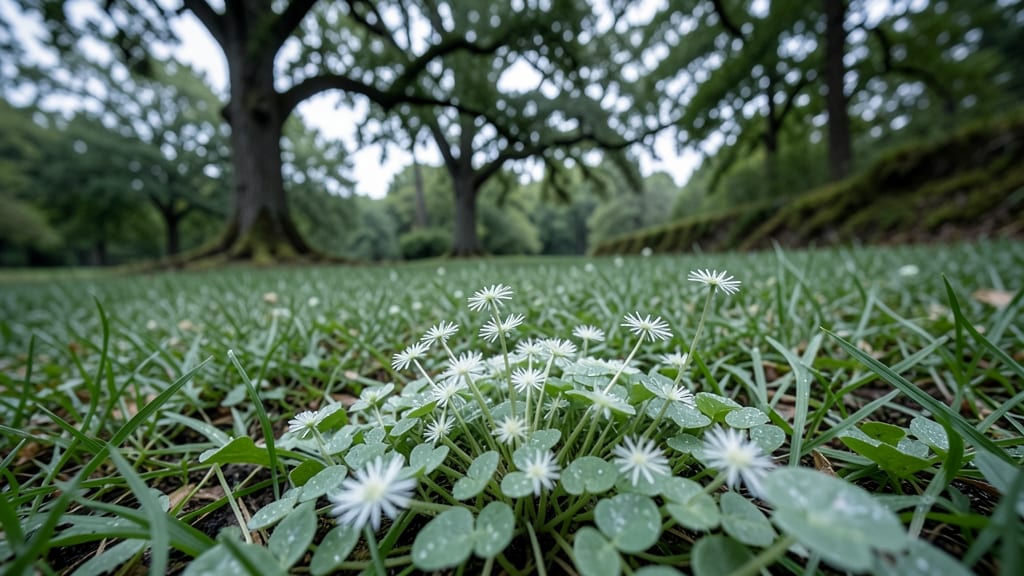
If your Virginia lawn looks soft and velvety but you’re actually seeing chickweed spread, don’t panic—this common shade-loving weed responds well to natural suppression. Unlike aggressive invaders, chickweed thrives in damp, shaded areas but can be outsmarted with the right approach.
Start by applying a 2-3 inch layer of mulch (like shredded leaves or wood chips) over infested areas to block sunlight and smother new growth. For prevention, spread corn gluten meal in early spring—this organic pre-emergent disrupts chickweed seeds before they sprout. Hand-pulling works too, but focus on young plants to avoid spreading fragments.
This method is perfect for gardeners who prefer chemical-free solutions and want to restore lawn health without harming the environment. A little patience and mulch go a long way! 💚
Plantain Weed Spot Treatment Guide
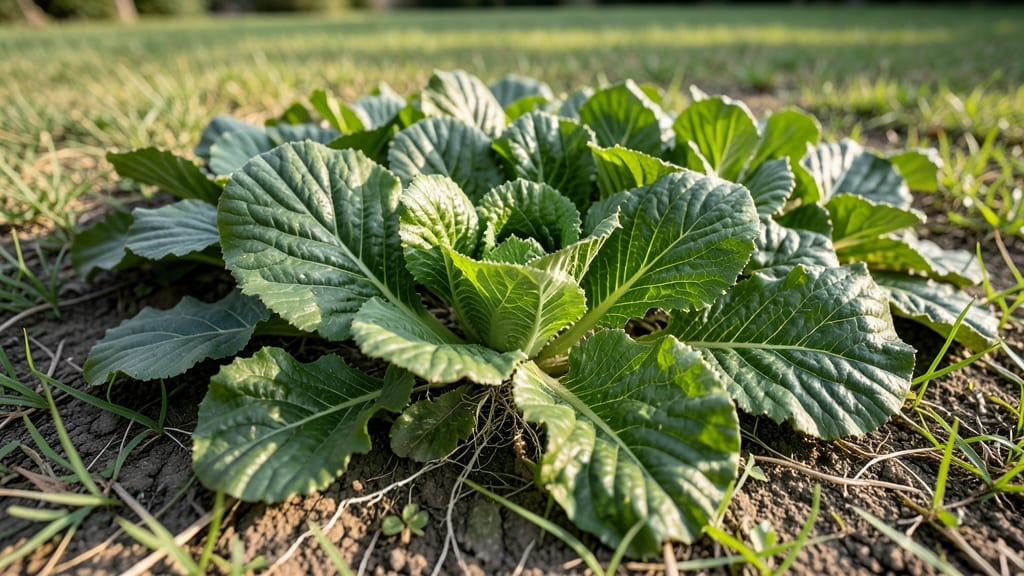
If your lawn has ribbed, broadleaf plantain popping up in patches, you’re not alone—this weed thrives in compacted Virginia soil and spreads aggressively. The good news? Spot treatments can eliminate it without harming your grass, using simple tools and timing.
Start by identifying plantain in its flowering stage (yellow blooms) or by its distinctive ribbed leaves. Apply a spot treatment of vinegar-based weed killer (10% acetic acid) directly to the leaves—avoid the grass. For a gentler approach, use a manual weeder to pull it at the root, especially after rain when soil is soft. Reapply treatments every 2-3 weeks until the plantain disappears, focusing on small patches first.
This method works best for homeowners with patchy lawns who want to avoid harsh chemicals. By targeting plantain early, you’ll restore your lawn’s health without damaging the surrounding grass. 🌱
Moss Lawn Conversion Strategies
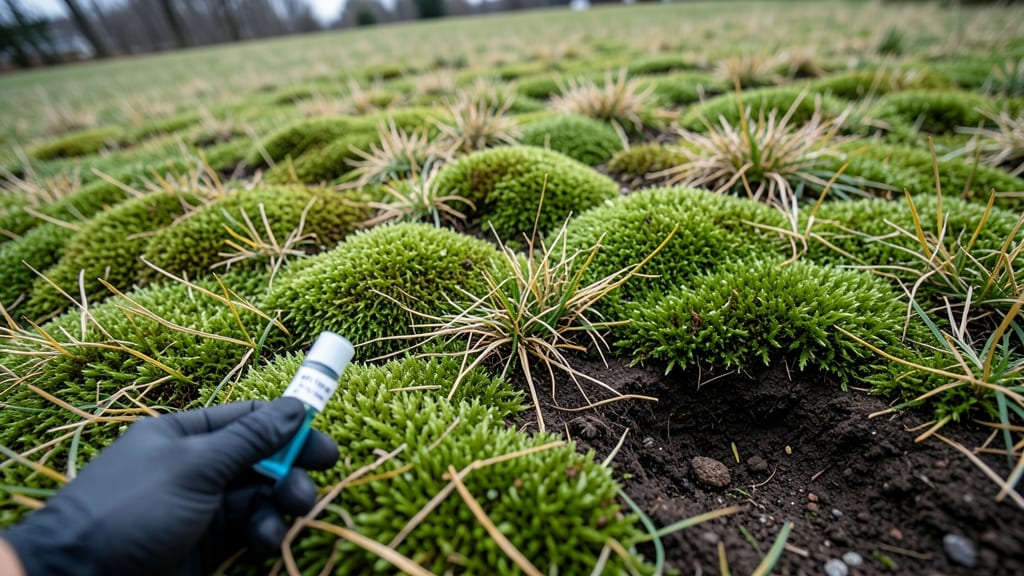
If your Virginia lawn looks more like a mossy carpet than a lush green space, don’t despair—this common issue is fixable! Acidic soils in the region often favor moss over grass, but with the right steps, you can reclaim your lawn without harsh chemicals.
Start by testing your soil’s pH—aim for a neutral 6.0-7.0 range. Apply pelletized lime in early spring to raise pH gradually, following package instructions for your lawn size. Once the soil is balanced, overseed with a shade-tolerant grass mix like fine fescue, which thrives in Virginia’s climate. Aerate the lawn first to help seeds make contact with the soil.
This method is ideal for homeowners with shaded or damp lawns, offering a long-term solution that improves soil health while encouraging grass growth. With patience and consistency, you’ll transform that mossy mess into a vibrant lawn. 💚
Vinegar Weed Killer Recipes

Tired of battling Virginia’s toughest weeds with store-bought chemicals? Vinegar weed killers offer a natural, budget-friendly alternative that works on broadleaf weeds like dandelions, plantain, and chickweed—without harming your lawn’s soil long-term.
Start with a basic recipe: Mix 1 gallon of white vinegar, 1 cup of salt, and 1 tablespoon of dish soap in a spray bottle. Apply on a sunny day (vinegar works best when weeds are actively growing) and reapply every 3-5 days until the weeds die. For stubborn weeds like nutsedge, try adding 1 cup of lemon juice to boost effectiveness. Always spot-test on a small area first to avoid damaging nearby plants.
This method is perfect for eco-conscious gardeners and those with kids or pets, as vinegar breaks down naturally. Just remember: It won’t kill grass or underground runners, so pair it with manual removal for best results. 🌱