
Fertilization
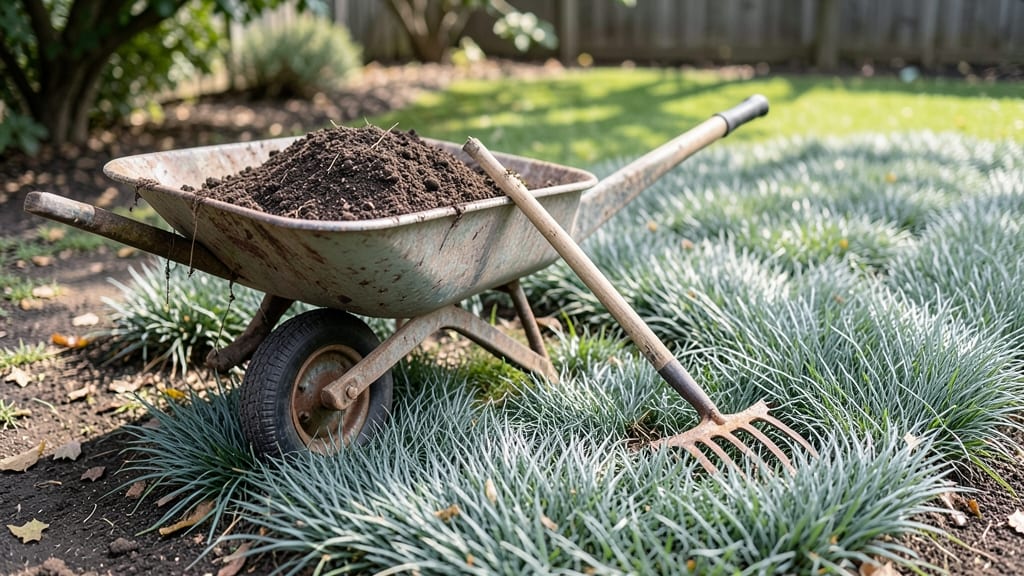
To determine how much topsoil for sod, spread 2 to 4 inches evenly over the prepared base—adjusting for soil type (sandy areas need up to 6 inches, while fertile soil may require less). Always add a 1-inch compost layer for optimal root growth.
Topsoil depth matters because it creates the ideal growing environment for sod roots. A 2-4 inch layer balances drainage and moisture retention, while compost integration boosts nutrient availability.
For example, cool-season grasses like fescue thrive with slightly deeper topsoil (closer to 4 inches) to withstand winter, whereas warm-season grasses like Bermuda need less (around 2 inches) due to their shallow root systems. 🌱
Your lawn's existing soil quality plays a huge role—clay-heavy soil may need extra topsoil to prevent compaction, while sandy soil benefits from deeper layers to retain moisture. Always test soil pH (aim for 6.0-7.0) before installing sod, as this affects nutrient absorption and root development.
💡 In This Article
- Topsoil Depth Requirements for Different Sod Types
- Calculating Topsoil Volume by Lawn Size and Slope
Topsoil depth requirements for different sod types
The right topsoil depth depends on your grass type because each variety has unique root structures and environmental needs. Cool-season grasses like Kentucky bluegrass develop deep roots (up to 6 inches in ideal conditions) to access moisture during winter, so they thrive with 3-4 inches of topsoil.
Warm-season grasses such as St. Augustine or Zoysia, however, have shallower roots (2-3 inches) and only need 2 inches of topsoil since they focus on surface growth during hot months. This difference prevents root stress from over-deep planting or insufficient support. 🌱
Soil composition dramatically alters depth requirements. Clay soil, which compacts easily, needs 4-6 inches of topsoil to prevent suffocation of roots and improve drainage. Sandy soil, conversely, drains too quickly—requiring 3-4 inches of topsoil mixed with 20% organic matter to retain moisture.
Loam (the ideal mix of sand, silt, and clay) typically needs just 2-3 inches since it balances drainage and nutrient retention naturally. For commercial lawns, where foot traffic compacts soil faster, add an extra 1-2 inches of topsoil annually to maintain root health.
Drainage is another critical factor—poor drainage forces roots upward, creating a shallow root zone that struggles during drought. For example, Bermuda grass in heavy clay areas may need 5 inches of amended topsoil to prevent waterlogging. Conversely, Fescue grass in well-drained loam can thrive with 2.5 inches.
Always check your site's drainage by digging a 12-inch hole and filling it with water—if it drains in 30 minutes, you're safe; slower drainage signals the need for deeper topsoil or sand amendments.
Commercial lawns face additional stress from machinery and foot traffic, which compacts soil 30-50% more than residential areas. This compaction reduces oxygen in the root zone, so sports fields often require 4-6 inches of topsoil with 10% perlite to maintain porosity.
Residential lawns, by comparison, usually only need 2-4 inches unless your soil is particularly dense. The key is testing soil density with a penetrometer—values above 100 psi indicate compaction issues needing deeper topsoil or aeration.
Here's a quick comparison for common scenarios:
- Residential lawn (loam soil): 2-3 inches of topsoil + 1 inch compost
- Commercial lawn (clay soil): 4-6 inches of topsoil + 2 inches compost
- Sandy soil (any grass): 3-4 inches of topsoil + 30% organic matter
- Poor drainage areas: 5-6 inches of amended topsoil (sand + compost)
The science behind these depths lies in root oxygenation—roots need 10-15% air space in soil to thrive. Too little topsoil restricts growth, while too much creates a waterlogged environment that suffocates roots.
For example, Tall fescue roots grow 0.5 inches per day in ideal conditions, so insufficient depth stunts this growth. Always level your topsoil to ±0.25 inches using a laser level to ensure even root development across your lawn. 💫