
Fertilization
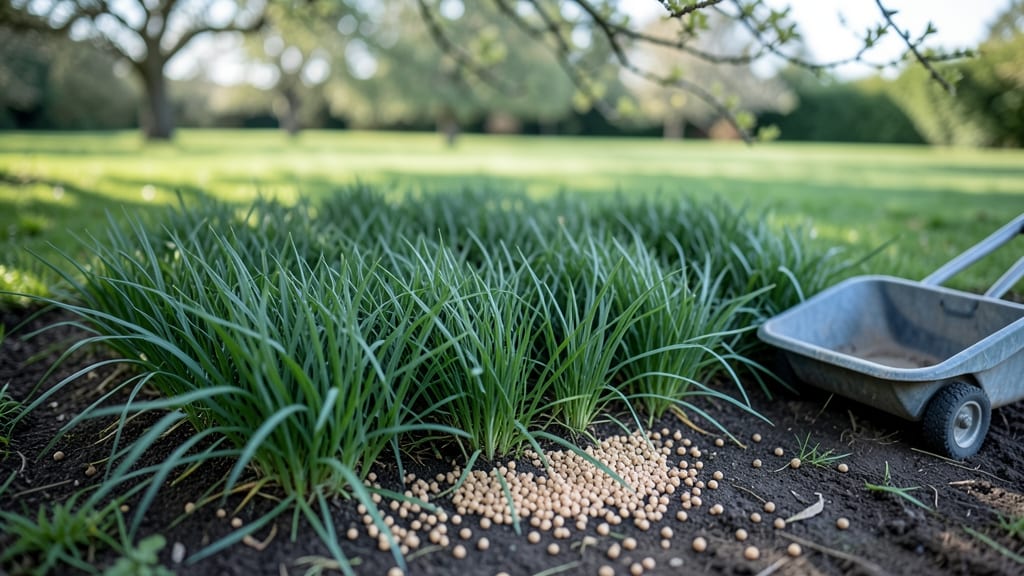
Grass fertilizer is toxic when improperly handled, particularly for pets and children, because it contains concentrated nitrogen, phosphorus, and synthetic chemicals such as 2,4-D or glyphosate. Strictly follow package directions and wait until the lawn fully dries before allowing access.
Most lawn fertilizers aren't inherently dangerous when used correctly, but their chemical makeup makes them hazardous during application or storage. 🌱 The real risks come from accidental ingestion or skin contact, especially with granular products containing herbicides.
I've seen cases where pets developed stomach issues after sniffing fresh fertilizer granules, so proper containment is key. Organic options like compost or manure-based fertilizers pose far lower risks but may not provide the same quick nutrient boost as synthetic blends.
Even "natural" fertilizers can cause problems if overapplied—the high salt content in some organic formulas can actually burn grass roots. That's why I always recommend testing soil first to determine actual nutrient needs, rather than assuming more is better.
For households with curious kids or pets, switching to slow-release organic pellets can reduce exposure risks while still promoting healthy lawn growth.
💡 In This Article
- Chemical Composition of Grass Fertilizer and Toxicity Risks
- Safe Application and Storage Practices for Families
Chemical composition of grass fertilizer and toxicity risks
The core danger in lawn fertilizers comes from their nitrogen-phosphorus-potassium (NPK) ratios combined with synthetic additives. Most commercial products contain 30-40% nitrogen—often in fast-acting forms like urea or ammonium nitrate—which can burn skin or cause respiratory irritation when inhaled as dust.
The phosphorus content (typically 5-10%) isn't directly toxic but contributes to harmful runoff that pollutes waterways. What really elevates risks are the herbicides and pesticides mixed in, like 2,4-D or glyphosate, which are classified as moderately hazardous by the EPA.
Here's how these chemicals work: Nitrogen in fertilizers converts to ammonia when wet, creating fumes that irritate eyes and lungs—similar to household ammonia but more concentrated. 2,4-D, a common weed killer, mimics plant hormones and can cause vomiting or neurological symptoms in pets if ingested.
The real insidious part is how these chemicals persist: Glyphosate, for example, can remain in soil for months after application, while nitrogen compounds may leach into groundwater. Organic fertilizers avoid these synthetics but can still contain high salt concentrations that damage plant roots if overused.
Acute exposure risks are obvious—direct contact with granules or sprays can cause skin burns or poisoning—but chronic effects are more subtle. Long-term inhalation of fertilizer dust has been linked to respiratory issues in lawn care workers, while runoff contributes to algal blooms that deplete oxygen in lakes.
For pets, even small amounts of fertilizer granules can cause chemical burns in their mouths when licked off paws. The key difference between organic and synthetic fertilizers lies in their breakdown: Organic matter decomposes into harmless compounds, while synthetic chemicals often leave behind toxic residues.
What most people overlook is how application methods affect toxicity. Broadcasting granules with a spreader creates airborne particles that can drift up to 50 feet, while liquid fertilizers applied with hoses create mist that lingers in the air.
The EPA recommends using watering techniques to incorporate granules into soil within 24 hours of application, but even then, some chemicals remain bioavailable. For example, slow-release nitrogen (like polymer-coated urea) reduces immediate risks but may still release harmful compounds over time.
Consider this comparison: A typical 100-square-foot lawn application might use 1-2 pounds of fertilizer containing 0.5-1 pound of nitrogen. If all that nitrogen were to run off into a nearby stream, it could create a dead zone where fish can't survive.
The environmental impact compounds the health risks, making proper storage and application even more critical. For households with children or pets, switching to compost-based fertilizers with less than 5% nitrogen can dramatically reduce these dangers while still nourishing grass.
The science behind these risks involves osmotic pressure—how concentrated fertilizers draw moisture from plant cells (and animal tissues) when applied improperly. This is why you'll see yellowing grass after over-fertilization: The high salt content disrupts cellular function.
For pets, the same principle applies to their paws or digestive systems when they encounter fresh fertilizer. The good news? With proper handling, these risks can be nearly eliminated—it's all about understanding the chemistry behind what you're spreading on your lawn. 🌱