
Lawn
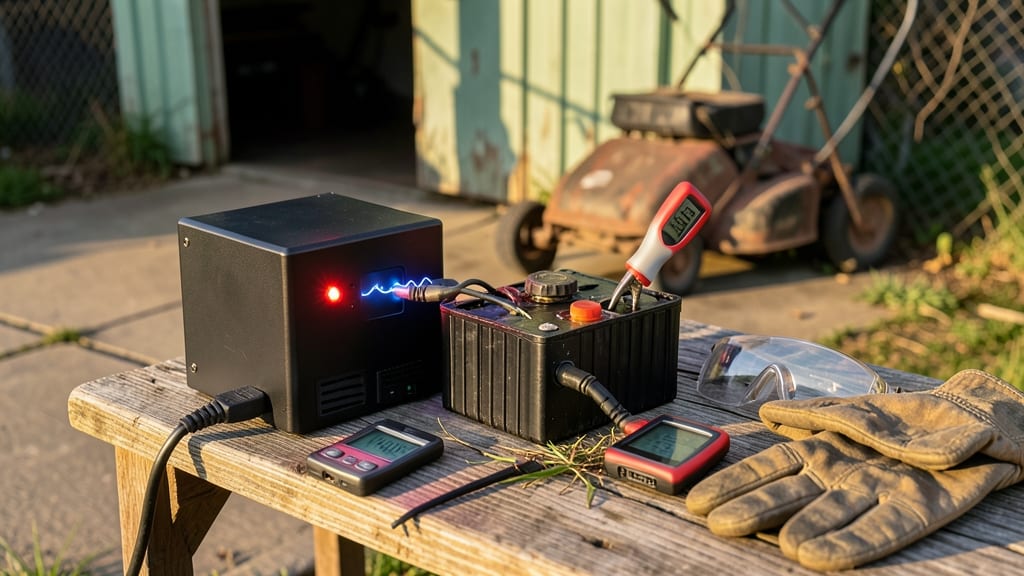
You can overcharge a lawn mower battery, and doing so poses serious risks like permanent damage, overheating, or complete failure. Always use a charger with automatic shut-off and strictly follow the manufacturer's voltage and time limits.
Overcharging sends excess current through the battery, triggering dangerous chemical reactions that degrade its internal structure. 🔥 For lead-acid batteries (common in lawn mowers), this causes sulfation—where lead crystals form and permanently reduce capacity.
Lithium-ion batteries, though more resilient, can still overheat or even rupture if pushed beyond their safe limits. The damage isn't always immediate; subtle performance declines often go unnoticed until the battery fails completely during your next mowing session.
To protect your investment, use a smart charger with automatic shut-off features, which monitors voltage and stops charging once full. Most lawn mower batteries thrive with a 12-volt charge for no longer than 12-24 hours—never leave it plugged in overnight.
For off-season storage, keep the battery at a 50% charge and recharge every 3-6 months to prevent sulfation buildup.
💡 In This Article
- How Overcharging Damages Lawn Mower Batteries
- Safe Charging Practices for Lawn Mower Batteries
How overcharging damages lawn mower batteries
Overcharging triggers a chain reaction inside your battery that starts with excess current forcing water molecules in the electrolyte solution to split into hydrogen and oxygen gases. This process, called electrolysis, creates bubbles that physically damage the battery's internal plates while also increasing internal pressure.
In lead-acid batteries (the most common type in lawn mowers), this leads to sulfation—where lead sulfate crystals form on the plates and permanently reduce capacity by blocking electrical pathways. These crystals are like microscopic roadblocks that prevent the battery from accepting or delivering charge efficiently.
The real danger escalates when heat builds up.
A fully charged lawn mower battery typically operates at 12.6 volts, but overcharging can push this to 14.4 volts or higher, causing the electrolyte to boil and vent toxic hydrogen gas. 🔥 This isn't just a performance issue—it's a safety hazard.
The venting can also expose internal components to air, accelerating corrosion. Lithium-ion batteries (found in newer models) fare slightly better but still suffer from thermal runaway when overcharged, where uncontrollable heat buildup can lead to swelling or even fire. The key difference?
Lead-acid batteries show gradual decline, while lithium-ion failures can be sudden and catastrophic.
What makes this particularly insidious is how subtle the early warning signs are. You might notice your mower starts slower after charging, or the battery holds less power between uses. By the time you see visible damage—like bulging battery cases or corroded terminals—it's often too late for a full recovery.
The electrolyte solution may also become cloudy or develop a brownish tint, signaling irreversible plate damage. This is why manufacturers specify charging times (typically 8-12 hours for lead-acid) and voltage limits—exceeding these thresholds accelerates all these destructive processes.
Consider this comparison: A properly maintained lawn mower battery should last 3-5 years, but overcharging can cut that lifespan in half. The damage isn't just about the immediate failure—it's about the cumulative stress on the battery's chemistry.
For example, leaving a 12-volt battery connected to a 14.4-volt charger for just 24 hours can reduce its capacity by 20-30%, and the effects compound with each overcharge cycle.
Even "smart" chargers can fail if left unattended, so always double-check connections and remove the charger once the battery reaches full capacity.
The physical consequences extend beyond the battery itself. Excessive heat can warp plastic components in the mower's electrical system, while vented gases create a fire risk if they accumulate in enclosed spaces.
Some models even have safety mechanisms that shut down if they detect overcharging, but these aren't foolproof—especially if the charger itself is faulty. The bottom line?
Overcharging isn't just about ruining your battery; it's about creating a domino effect of problems that could leave you stranded mid-mowing season with a dead battery and potentially damaged equipment.