
Lawn
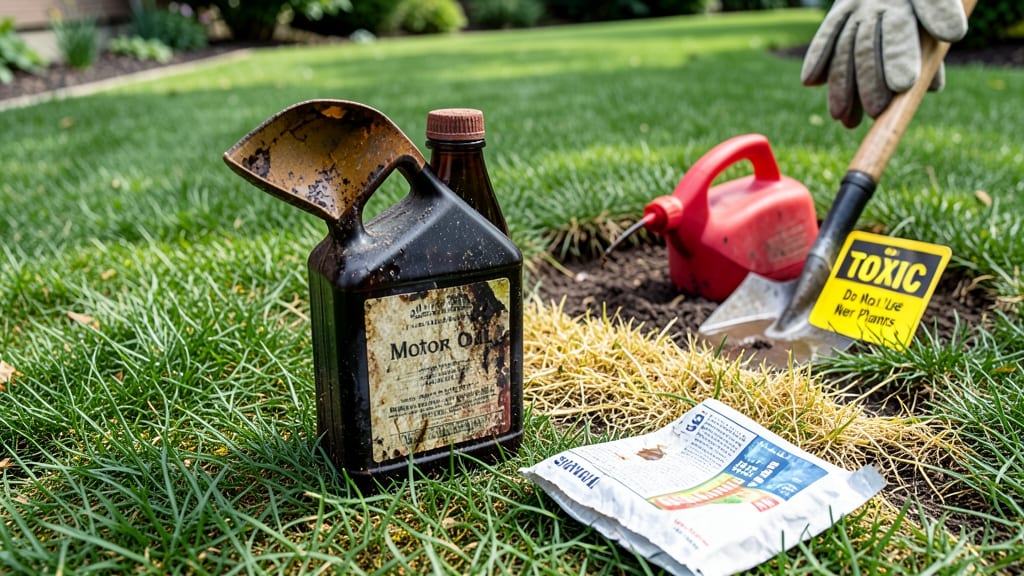
You should never use old motor oil to fertilize your lawn because it contains toxic heavy metals, petroleum byproducts, and chemical additives that poison soil, kill beneficial microbes, and contaminate groundwater. Instead, choose organic alternatives like compost, manure, or slow-release fertilizers for safe, nutrient-rich lawn growth.
Motor oil's chemical composition makes it one of the worst substances for lawn care. 🌱 The heavy metals like lead and cadmium linger in soil for years, while petroleum hydrocarbons create oxygen-deprived zones that suffocate plant roots. Even a small spill can seep into groundwater, creating long-term environmental damage.
I've seen cases where homeowners accidentally used motor oil as a quick fix, only to deal with dead patches of grass and contaminated runoff for seasons afterward.
For safe fertilization, organic options like well-aged compost or bone meal provide nitrogen and phosphorus naturally. Fish emulsion is another excellent choice, offering balanced nutrients without synthetic chemicals. Manure, properly composted, adds organic matter that improves soil structure over time.
The key is building healthy soil ecosystems rather than relying on quick chemical fixes that harm more than they help.
💡 In This Article
- Toxic Chemicals in Motor Oil and Their Lawn Damage Effects
- Safe Organic Fertilizer Alternatives for Lawn Health
Toxic chemicals in motor oil and their lawn damage effects
Motor oil contains a dangerous cocktail of heavy metals like lead and cadmium, which accumulate in soil over time. These metals don't break down naturally—they persist for decades, poisoning plants by disrupting nutrient absorption at the cellular level.
A single quart of motor oil can introduce up to 100 parts per million (ppm) of lead into your lawn soil, far exceeding safe agricultural limits of 3 ppm for edible plants.
The petroleum hydrocarbons in motor oil create another major problem: they form a thick, oily layer that blocks soil pores. This prevents oxygen and water from reaching grass roots, creating anaerobic zones where beneficial microbes suffocate.
You'll notice this as brown, patchy areas that refuse to recover, even with proper watering. The additives in motor oil—like zinc dialkyldithiophosphate (ZDDP)—also break down into sulfur compounds that lower soil pH, making it more acidic and inhospitable for grass growth.
What makes this especially dangerous is how motor oil moves through the environment. Rainwater carries these toxins 20-30 feet underground within months, contaminating groundwater supplies. Studies show that just 1 gallon of motor oil can pollute 250,000 gallons of water, creating a hidden environmental hazard that lasts for generations.
The visual signs—oily sheen on soil, sluggish plant growth—often appear only after irreversible damage has occurred.
Even "used" motor oil from your car isn't safe—it still contains 20-30% of its original additives and unburned hydrocarbons. The myth that "old oil is less harmful" ignores how these chemicals concentrate in soil over time.
Unlike organic fertilizers that break down into harmless byproducts, motor oil creates a permanent toxic legacy in your yard.
Consider this comparison: organic compost adds 1-2% organic matter to soil while improving microbial activity, while motor oil adds 0% nutrients but introduces 100% toxins. The short-term "greening" effect you might see is actually the grass trying to outcompete the oil's harmful effects—a sign of stress, not health. 🌱
For perspective, the Environmental Protection Agency (EPA) classifies used motor oil as a hazardous waste because of its persistence and toxicity.
When you pour it on your lawn, you're essentially creating a slow-release poison that harms not just your grass, but also pets, wildlife, and future generations who might use that contaminated soil.