
Plants
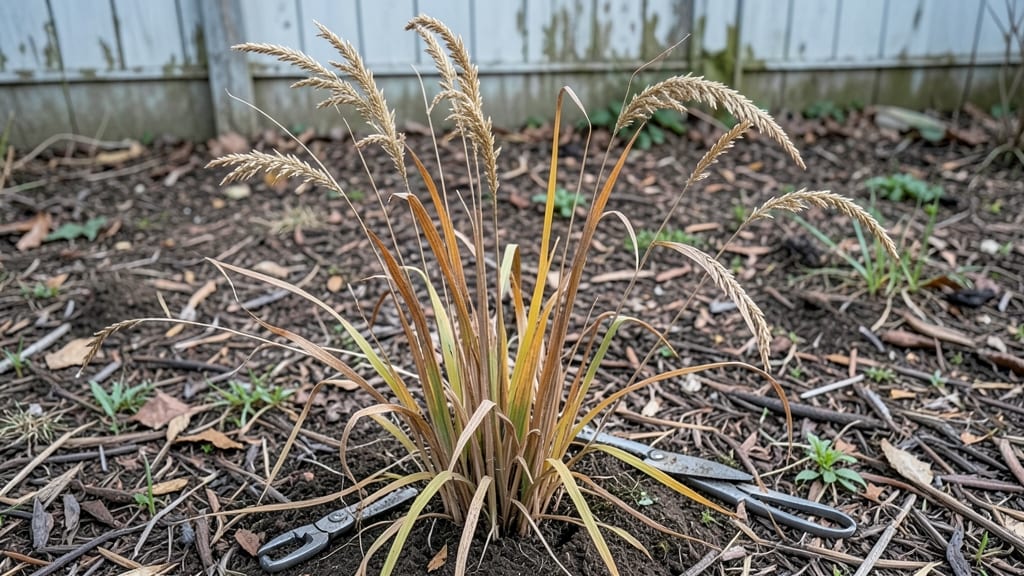
Winterizing ornamental grass isn’t just about survival—it’s about setting them up for shockingly lush regrowth next spring. I’ve learned the hard way that cutting back too early or skipping mulch means brittle stems and stunted growth by May.
The key is timing: wait until late fall after the first hard frost, but before the ground freezes solid.
You’ll need basic supplies: sharp pruners, a tarp or burlap for windy areas, and a 2-3 inch layer of straw or wood chips for mulch. Skip the fancy tools—just focus on protecting the crown and reducing wind damage.
Most grasses handle winter just fine, but varieties like Miscanthus or Panicum need extra care in Zone 5 and colder.
After trimming back dead foliage (but leaving seed heads for winter interest), mound mulch around the base to insulate roots. In Zone 6 and below, bundle tall grasses with twine or wrap them in burlap to prevent snapping.
The payoff? Come spring, you’ll see vibrant green shoots pushing through soil that’s been shielded from freeze-thaw cycles.
Regional tweaks matter: Southern gardeners can wait until December, while Northern growers should act by November. Here’s where it gets interesting—some grasses, like Carex, actually benefit from no cutting back at all—their seed heads provide winter texture. Let’s get your grasses through winter looking their best!
📚 In This Guide
- What you need
- Instructions
- Tips and common mistakes
- Wrapping up and next steps
What you need
- ● Pruners or sharp shears – Bypass pruners (8-10" blade) for clean cuts
- ● Heavy-duty gloves – Garden gloves with grip for thorny or sharp grasses
- ○ String trimmer (weed whacker) – Optional but helpful for thick clumps
- ● Mulch (straw, pine needles, or shredded leaves) – 3-4 inches deep for insulation
- ○ Burlap or landscape fabric – For wrapping clumps (optional for extra protection)
- ● Watering can or hose with nozzle – For deep watering before frost
- ● Garden fork or spade – For dividing or loosening soil if needed
- ● Anti-desiccant spray – Prevents winter burn on broadleaf grasses
- ● Garden twine or wire – For securing burlap wraps
- ● Soil conditioner (compost or aged manure) – Boosts root health before dormancy
- ○ Thermometer (optional) – To monitor soil temps in extreme climates
Step-by-Step instructions for winterizing ornamental grass
Here's how I prepare ornamental grasses for winter—keeping them sturdy, healthy, and stunning through the cold months.
Assess and Cut Back Dead or Damaged Foliage
Start by inspecting each clump for dead, brown, or brittle stems. Ornamental grasses like fountain grass or maiden grass often retain some structure, but removing only the truly dead material prevents disease and rot. I use sharp pruners to snip back any stems that feel hollow or crumble easily—these won’t survive the winter anyway.
Leave the healthy, upright stems intact unless they’re severely damaged. These provide insulation for the crown and protect new growth in spring. If your grass is still green but woody, wait until late winter to trim—this natural structure shields the base from harsh winds. Never cut more than one-third of the plant at once, or you risk weakening it for the dormant season.
Apply a Layer of Mulch Around the Base
Spread a 2-3 inch thick layer of shredded bark mulch or straw around the base of each clump, keeping it 6 inches away from the crown to prevent rot. I use the 3 gallons of mulch from my supply to cover the entire root zone evenly. This layer acts as a thermal blanket, moderating soil temperature swings and retaining moisture during dry winter spells.
For grasses in containers, wrap the pots in burlap or frost cloth and bury them partially in the ground or surround them with mulch. This extra insulation prevents root freeze-thaw cycles, which can crack containers and damage roots. Check the mulch after heavy rains—it shouldn’t stay soggy, or it’ll suffocate the crown.
Protect Tender Varieties with Burlap or Frost Cloth
If you’re growing tender ornamental grasses like Mexican feather grass or pampas grass in colder climates (below 10°F), wrap the entire clump loosely in burlap or frost cloth after the first hard frost. Secure it with twine or stakes, leaving the top open to allow some airflow—this prevents moisture buildup, which leads to rot.
For grasses in exposed locations, like windy hilltops, add a wire cage around the plant before wrapping to keep the burlap from touching the foliage. This method mimics natural snow cover, shielding the crown from freezing winds. Remove the protection in early spring once nighttime temperatures consistently stay above 32°F to avoid trapping heat and encouraging premature growth.
Water Deeply Before the Ground Freezes
Give your ornamental grasses a deep watering 2-3 weeks before your first hard frost. The goal is to saturate the root zone so the plant enters dormancy with adequate moisture reserves. I water until the soil feels damp 6 inches deep—use a trowel to check if you’re unsure. Overwatering now can lead to root rot, but underwatering stresses the plant as temperatures drop.
Avoid wetting the foliage in cold weather, as ice buildup can weigh down stems and cause breakage. If your area experiences freeze-thaw cycles, water in the morning so excess moisture evaporates before nightfall. Once the ground freezes solid, stop watering entirely—grass roots won’t absorb moisture until spring.
Monitor and Adjust for Late Winter Thaws
During periods of unseasonably warm weather in late winter, inspect your grasses for signs of premature growth, like new shoots or softened stems. If you see this, trim any new growth immediately to redirect the plant’s energy back into root development. I’ve learned the hard way that letting grass "green up" too early often results in frost damage when temperatures drop again.
If heavy snow accumulates, brush it off gently to prevent stem breakage. Ornamental grasses like little bluestem or switchgrass often hold snow naturally, but varieties with fine, airy plumes (like maiden grass) can snap under weight. A quick shake with a broom usually does the trick without harming the plant.
Tips & tricks for winterizing ornamental grass
A few strategic adjustments can make all the difference in keeping your ornamental grasses thriving through winter's harshest conditions. Here's what I've learned after years of trial and error in my own garden.
Pruning Precision: When assessing dead foliage in Step 1, focus on stems that crumble easily or feel hollow when bent—these are the ones to remove completely. The key is to preserve at least two-thirds of the plant's structure, particularly the upright stems that provide crucial insulation for the crown. I've found that using sharp pruners prevents tearing, which can introduce pathogens to the plant. For particularly woody grasses that stay green late into fall, resist the urge to trim until late winter—this natural structure acts like a living blanket against winter winds.
Mulch Application Technique: The 2-3 inch mulch layer in Step 2 should be spread evenly but not piled against the crown—this critical 6-inch clearance prevents moisture buildup that leads to rot. I've discovered that using a garden rake to create small valleys around the base helps channel rainwater away from the crown. For container grasses, the extra insulation from wrapping pots in burlap combined with surrounding mulch creates a microclimate that can protect roots down to 10°F. Remember to fluff the mulch occasionally during dry spells to maintain its insulating properties.
Cold Climate Protection: For tender varieties in climates below 10°F, the burlap or frost cloth wrapping in Step 3 works best when applied after the first hard frost but before temperatures drop below 10°F. I secure the wrapping with twine at the base and leave the top open to prevent moisture buildup—this simple airflow adjustment has saved me from multiple cases of winter rot. For grasses in exposed locations, the wire cage method creates an air pocket that mimics natural snow cover, which can make the difference between survival and damage during freezing winds.
Timing is Everything: The 2-3 week window before your first hard frost for deep watering in Step 4 is crucial for establishing moisture reserves. I test soil moisture by inserting a trowel 6 inches deep—if it comes out dry, I water again. For freeze-thaw cycle areas, morning watering prevents ice formation that could damage stems. Once the ground freezes solid, I stop watering entirely, as grass roots become dormant and won't absorb moisture until spring temperatures rise above 32°F.
Pro Tips for Winterize Ornamental Grass
- A few strategic adjustments can make all the difference in keeping your ornamental grasses thriving through winter's harshest conditions.
- Pruning Precision: When assessing dead foliage in Step 1, focus on stems that crumble easily or feel hollow when bent—these are the ones to remove completely.
- Mulch Application Technique: The 2-3 inch mulch layer in Step 2 should be spread evenly but not piled against the crown—this critical 6-inch clearance prevents moisture buildup that leads to rot.
Frequently asked questions
Got questions about winterizing your ornamental grasses? You’re not alone!
Here are answers to the most common concerns—so you can keep your yard looking stunning all season long.
When is the best time to winterize ornamental grasses?
Start preparing your ornamental grasses 4–6 weeks before the first hard frost (usually late fall, around October in most regions). This gives plants time to harden off naturally. If you’re in a colder zone, aim for mid-to-late October for optimal protection.
Do I need to cut back ornamental grasses before winter?
Most ornamental grasses don’t need cutting back in fall—in fact, leaving the dead foliage (called "mulch") helps insulate roots. However, if your grass is thatchy, diseased, or overly tall, trim it back by 1/3 to 1/2 after the first hard frost for a cleaner spring look.
What’s the best way to protect ornamental grasses from freezing temperatures?
Use a 3–4 inch layer of mulch (straw, shredded leaves, or pine needles) around the base to shield roots. For tender varieties (like Miscanthus or Pennisetum), wrap the crown in burlap or frost cloth and add a thick layer of evergreen boughs on top for extra insulation.
Can I use salt or de-icing products near my ornamental grasses?
No!
Salt and de-icers can damage roots and soil, leading to poor growth or even death. Instead, use sand or cat litter for traction, or apply calcium chloride-free ice melt (like magnesium chloride) if you must de-ice near your grasses.
What if my ornamental grass turns brown or looks dead in winter?
Don’t panic! Most grasses go dormant in winter and will regrow in spring. If your grass stays brown past early spring (after last frost), check for root rot, pests, or overwatering. If the base feels mushy or smells bad, it may need replacement.
Wrapping up and next steps
Winterizing your ornamental grass doesn’t have to be a daunting task—just a few thoughtful steps will keep it thriving through the cold months and beyond! 🌿 With proper care, your grass will bounce back stronger in spring, adding year-round beauty to your landscape. Now’s the perfect time to act: gather your supplies, follow the guide, and give your plants the protection they deserve.
Happy gardening!
- Next step: Mark your calendar for early spring to trim and fertilize—your ornamental grass will thank you!