
Pruning
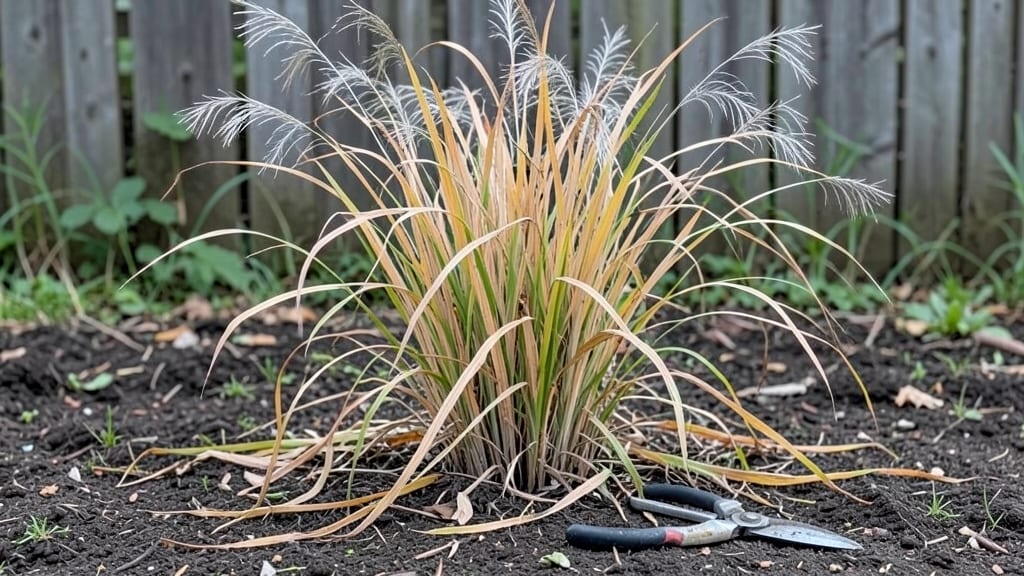
Trimming back ornamental grasses transforms them from wild clumps into structured garden stars. I’ve spent years watching my grasses flop into tangled messes—until I learned the right timing and cuts. The difference between a neat, sculptural look and a sad, overgrown tangle comes down to when and how you cut.
Late winter or early spring is prime time, just before new growth starts. You’ll need sharp bypass pruners or a clean knife—dull tools tear fibers, leaving grasses vulnerable to disease. For most varieties, cut back by one-third to half, but never shave them to the ground.
Some grasses, like fountain grass, need partial trimming for shape, while others, like maiden grass, can handle a fuller cut.
What you’ll end up with is grasses that rebound with vibrant new growth and maintain their shape all season. The key is patience—rush the cuts, and you’ll stunt regrowth.
I’ve seen grasses bounce back with lush, feathery plumes after proper trimming, while neglected ones stay stiff and brown. It’s worth the 20 minutes to see the difference.
Works for both formal gardens and wild landscapes—just adjust the height based on your design. Here’s how to do it right without sacrificing next year’s growth.
📚 In This Guide
- What you need
- Instructions
- Tips and common mistakes
- Wrapping up and next steps
What you need
- ● Heavy-duty pruners or loppers – For cutting thicker stems (look for bypass pruners to avoid crushing). Quantity: 1 pair.
- ○ Hedge shears or bolt cutters – For larger clumps or thick bases. Quantity: 1 pair (optional if pruners suffice).
- ● Garden gloves – Thick, cut-resistant gloves (e.g., leather or reinforced fabric) to protect your hands. Quantity: 1 pair.
- ● Rake or stiff-bristled brush – To clear away debris after trimming. Quantity: 1.
- ● Wheelbarrow or large trash bags – For hauling clippings. Quantity: 1–2.
- ● Pruning saw – For stubborn, woody stems that pruners can’t handle.
- ● String trimmer (weed whacker) – For quick, bulk trimming of tall grasses (use with caution!).
- ● Knee pads or stool – If your grasses are ground-level or you’ll be kneeling for long periods.
- ● Disinfectant (rubbing alcohol or bleach solution) – To clean tools between cuts and prevent disease spread.
- ● Measuring tape or stakes – If you’re shaping grasses into formal designs (e.g., topiary).
- ● Choose the right time: Trim ornamental grasses in late winter or early spring (before new growth starts) or after they’ve finished flowering in fall.
- ● Check the weather: Avoid trimming on windy days or when rain is forecasted within 24 hours.
- ● Assess your grasses: Identify dead or diseased sections to remove first (they’ll need extra caution!).
- ● Clear the area: Remove rocks, mulch, or other debris that could obstruct your cuts.
Step-by-step guide for trimming back ornamental grasses
Here’s how I keep my ornamental grasses looking sharp all year—without sacrificing their natural beauty.
Identify the Right Time for Trimming
Timing matters more than you’d think. For most ornamental grasses, the best time to trim is late winter or early spring, just as new growth begins but before it gets too vigorous. Look for tender green shoots emerging at the base—this is your signal. If you’re dealing with cold-hardy varieties, wait until after the last frost when the ground isn’t frozen anymore.
For grasses that die back completely in winter, like maiden grass or fountain grass, trim them down to 2-3 inches above the ground in late winter. This removes old, dead foliage and makes room for fresh growth. If your grasses stay green year-round, like world grass or zebra grass, you can trim them lightly in early spring to shape them up.
Here’s the thing—if you trim too early, you might cut back new growth before it even has a chance. And if you wait too long, the old growth can look ragged and hide the fresh shoots underneath. Patience here pays off.
Gather Your Tools and Clear the Area
You don’t need fancy tools, but a few basics make the job easier. Grab your sharp pruning shears or hedge clippers—dull blades tear the grass instead of making clean cuts. A broom or leaf blower helps clear away the debris afterward, so keep that handy too. Wear gloves to protect your hands from sharp edges and any hidden insects.
Before you start, remove any dead leaves, twigs, or debris around the base of the grasses. This gives you a clear view of where the old growth ends and the new begins. If the area is muddy or wet, wait until it dries out—trimming in damp conditions can damage the plant and make cleanup messy.
I like to work on a calm day when the wind isn’t too strong. This keeps the grass from flailing around while you’re cutting, and it makes the job safer and more precise.
Trim in Sections for Clean, Even Cuts
Never trim the entire grass at once—it’s easy to lose your sense of proportion. Instead, work in small sections, about 6-12 inches wide, starting from the outer edges and moving inward. This way, you can step back occasionally to check your progress and make sure everything looks balanced.
For most ornamental grasses, the goal is to trim back to healthy, green growth. If the grass has turned brown or woody, cut just above the first set of fresh green shoots you see at the base. Avoid cutting into the hard, woody stems—these won’t regrow, and you’ll end up with bare spots.
If your grass has a natural arch or wave, follow its shape. Don’t be afraid to get creative—this is where you can shape the plant to fit your garden’s style. Just remember, ornamental grasses thrive on a little wildness, so don’t overthink it.
Clean Up and Maintain for Long-Term Health
Once you’ve trimmed, gather up the clippings and dispose of them properly. If your grasses are disease-free, you can compost the debris—just avoid composting if you notice any signs of fungus or pests. Use the broom or leaf blower to clear away the old growth from around the base, so new shoots aren’t smothered.
After trimming, give your grasses a light drink of water if the weather has been dry. This helps them recover from the cut and encourages strong new growth. Over the next few weeks, keep an eye on how they fill out. If any sections look sparse, you can do a little touch-up trimming later in the season.
Real talk: Over-trimming is a common mistake, and it can weaken your grasses over time. Stick to one major trim per year for most varieties, and you’ll keep them looking their best without stressing the plant.
Adjust for Seasonal Changes
Ornamental grasses don’t need much maintenance after the initial trim, but a little seasonal care keeps them looking their best. In early summer, if any straggly or overgrown sections appear, you can do a light trim to tidy things up. Avoid heavy cuts during the growing season, though—this can stunt new growth.
In fall, resist the urge to trim back completely. Let the grasses stand through winter—they provide texture and interest in the landscape, and the dried seed heads offer food for birds. If you must clean up, wait until late fall or early winter and trim back to 3-4 inches to protect the crown from harsh winds.
This is the moment that matters: Pay attention to how your grasses grow each year. Some varieties, like feather reed grass, might need more frequent trimming, while others, like blue fescue, prefer to be left mostly alone. Adjust your approach based on what works best for your garden.
Tips & tricks for perfect ornamental grass trimming
A few simple techniques will help you achieve clean, professional-looking results while keeping your grasses healthy and thriving.
Timing is Everything: The late winter or early spring window is critical because it aligns with when grasses naturally begin their growth cycle. If you're unsure about the last frost date in your area, check your local weather service or plant hardiness zone map. This timing ensures you're cutting back just as new growth emerges, giving your grasses the best chance to recover quickly. I've learned the hard way that cutting too early can remove precious new shoots before they've had a chance to establish themselves.
Tool Selection Matters: Sharp pruning shears or hedge clippers are non-negotiable for clean cuts. I've tried using regular scissors on tougher grasses, and let me tell you, it's a recipe for frustration. Dull blades tear the grass fibers instead of making clean cuts, which can damage the plant. If you don't have dedicated pruning tools, consider borrowing or renting them for this job—your grasses will thank you. For larger clumps, a string trimmer can be helpful for the initial cleanup around the base.
Section-by-Section Approach: Working in 6-12 inch sections prevents that "I've lost all sense of proportion" feeling that comes from trying to trim an entire grass clump at once. This method also lets you step back occasionally to check your progress and maintain balance. I like to start from the outer edges and move inward, which helps me visualize how the final shape will look. This is especially important for grasses with natural arches or waves—following their natural shape creates the most pleasing results.
Seasonal Considerations: Remember that different grasses have different needs. For those that die back completely in winter, like maiden grass or fountain grass, the 2-3 inch height recommendation is perfect for removing old growth while protecting new shoots. For evergreen varieties like world grass or zebra grass, a lighter touch in early spring is all that's needed. And in fall, that 3-4 inch trim is crucial for protecting the crown from harsh winter winds without removing all the winter interest.
Pro Tips for Trimming Back Ornamental Grasses
- A few simple techniques will help you achieve clean, professional-looking results while keeping your grasses healthy and thriving.
- Timing is Everything: The late winter or early spring window is critical because it aligns with when grasses naturally begin their growth cycle.
- Tool Selection Matters: Sharp pruning shears or hedge clippers are non-negotiable for clean cuts.
Frequently asked questions
Got questions about keeping your ornamental grasses looking sharp? Here are some of the most common concerns—and their answers—to help you trim with confidence!
When is the best time to trim ornamental grasses?
For most ornamental grasses, late winter or early spring (just before new growth starts) is ideal. This ensures a clean look while allowing fresh foliage to emerge. Exception: Some varieties (like Miscanthus) benefit from a second trim in late summer to encourage bushiness. Always check your specific grass type!
How much should I cut back my ornamental grasses?
Trim back to about 3–6 inches above the ground for most grasses. This removes dead growth while leaving enough foliage to protect the crown. Pro tip: If your grass is overgrown, cut it in stages to avoid stressing the plant. Never trim more than ⅓ of the plant at once!
What if my ornamental grass turns brown after trimming?
Brown tips or patches can happen, but don’t panic! This is often normal, especially in winter. If it persists into spring, your grass may need more sunlight, water, or nutrients. Solution: Lightly fertilize in early spring and ensure proper drainage. Over-trimming can also cause browning—stick to the 3–6 inch rule!
Can I trim ornamental grasses in fall or winter?
While you can trim in fall or winter, it’s not always necessary. Leaving dead foliage over winter provides insulation for roots. If you must trim, do so after the first hard frost but before spring growth begins. Avoid cutting back perennials like Carex until late winter—they need winter protection!
Are there any ornamental grasses I shouldn’t trim at all?
Some grasses, like Pennisetum or Stipa, have striking seed heads that add winter interest. These can be lightly tidied but never fully cut back. Others, like Calamagrostis, benefit from minimal trimming—just remove dead fronds. Always research your specific variety to avoid over-trimming!
Wrapping up and next steps
Trimming back ornamental grasses doesn’t have to be intimidating—it’s all about timing, technique, and confidence. With the right tools and a little patience, you’ll keep your garden looking sharp while encouraging healthier growth year after year. 🌿
Ready to take the next step? Start small—pick one or two grasses to practice, then gradually expand your skills. Before you know it, your yard will be the talk of the neighborhood! Grab those shears and get trimming!