
Plants
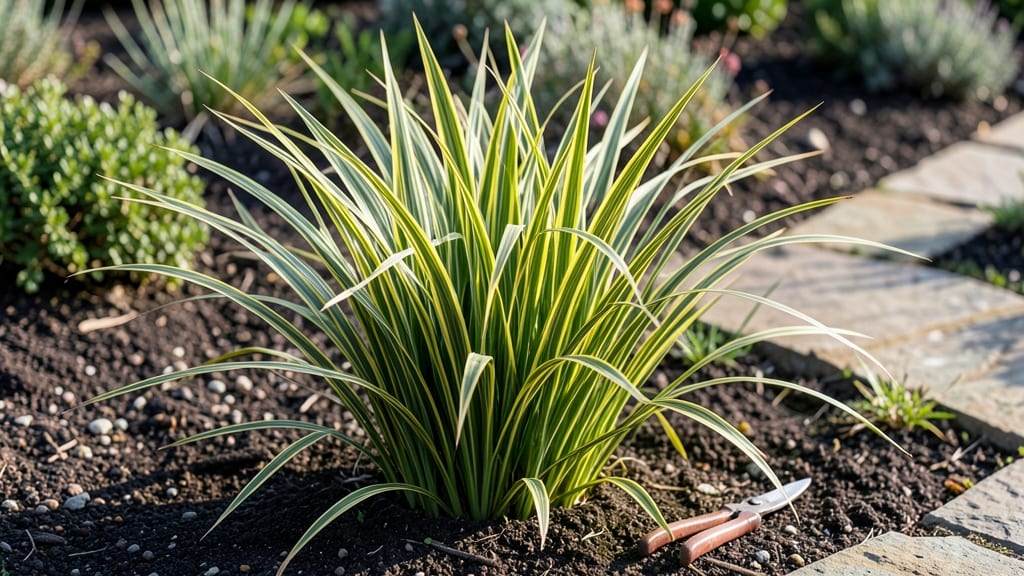
Caring for zebra grass turns your yard into a low-maintenance, sun-loving showstopper with its striking striped foliage. 🌿 I’ve watched this grass transform bare spots into lush, drought-tolerant ground cover in just a few months—once you know the right balance of sun, water, and occasional trimming.
The real magic happens when you match its needs to your climate, because zebra grass isn’t picky but it does hate soggy feet.
You’ll need full sun (6+ hours daily), well-draining soil, and a one-time soil prep with compost—no fancy amendments required. Watering’s the secret: deep soaks once a week in dry spells, then let it go dormant in winter.
Pruning’s a breeze too—just snip back brown tips in spring to encourage fresh growth, and you’re done. The grass spreads slowly but steadily, filling gaps naturally over time.
What you’ll end up with is a velvety-textured, clump-forming grass that stays green longer than most lawns. It resists pests, handles heat better than fescue, and looks stunning in borders or as a no-mow ground cover.
The only trade-off? It’s not for heavy foot traffic—think of it as a decorative accent, not a sports field.
Works in USDA zones 5-9, whether planted in raised beds, containers, or directly in the ground. Here’s how to keep it thriving all year—no green thumb required.
📚 In This Guide
- What you need
- Instructions
- Tips and common mistakes
- Wrapping up and next steps
What you need
- ● Zebra grass plants: 1–3 mature plants (or seed packets if starting from scratch)
- ● Pro tip: 💡 Opt for nursery-grown plants for faster establishment!
- ● Well-draining soil: 2–3 cubic yards (for a small garden patch) or enough to fill your planting area
- ● Mix: 60% topsoil + 30% compost + 10% coarse sand or perlite
- ● Organic mulch: 2–3 inches of wood chips, straw, or shredded bark (cover 3–4 feet around the base)
- ● Slow-release fertilizer: 10–20 lbs of 10-10-10 or balanced organic fertilizer (e.g., fish emulsion or compost tea)
- ● Garden trowel or shovel (for planting/transplanting)
- ● Garden fork or hoe (to loosen soil and remove weeds)
- ● Watering can or hose with a gentle spray nozzle (zebra grass hates soggy roots!)
- ● Pruning shears or hedge clippers (for shaping and deadheading)
- ● Gloves and knee pads (because gardening is hard work!)
- ● Drip irrigation system (for consistent moisture in dry climates)
- ● Plant stakes or rings (to protect young plants from wind)
- ● Soil pH tester (ideal range: 5.5–7.0; zebra grass is flexible but thrives in slightly acidic soil)
- ● Fungicide (copper-based) (if your area is prone to rust or blight)
Step-by-step instructions for growing and maintaining zebra grass
Here's the straightforward routine I follow to keep zebra grass lush and vibrant with almost no daily fuss.
🌱 Step 1: Establish Proper Planting Conditions
Zebra grass thrives in full sun to partial shade, but I've found it tolerates 4-6 hours of direct sunlight daily in cooler climates. The key is well-draining soil—this grass despises soggy roots. Amend heavy clay with 1-2 inches of coarse sand or perlite before planting.
Space plants 12-18 inches apart to allow airflow, which prevents fungal issues. You'll notice the striped foliage emerges more vividly when planted in slightly acidic soil (pH 6.0-7.0). Water thoroughly after planting to settle the roots, but avoid waterlogging the area.
☀️ Step 2: Master the Watering Routine
Zebra grass is drought-tolerant once established, but young plants need consistent moisture for the first 2-3 weeks. Water deeply 2-3 times per week until the top 2 inches of soil feel dry. You'll see the grass develop its signature striped pattern more distinctly when kept evenly moist but not soggy.
After the initial establishment period, reduce watering to once every 1-2 weeks, depending on rainfall. Overwatering causes yellowing leaves and root rot—watch for wilting between waterings as your signal to hydrate. Mulch with 1-2 inches of organic mulch to retain moisture and suppress weeds.
✂️ Step 3: Prune and Maintain Year-Round Health
This is the moment that matters: trim zebra grass back by one-third in early spring to encourage fresh, vibrant growth. Use clean, sharp shears to avoid tearing the leaves. You'll notice new striped foliage emerging within 2-3 weeks after pruning.
Deadhead spent flowers regularly to redirect energy into leaf production. In late fall, cut back any brown or damaged growth to maintain a tidy appearance. Zebra grass rarely needs fertilization, but a light application of balanced 10-10-10 fertilizer in spring can boost growth if your soil is particularly poor.
💧 Step 4: Protect Against Common Pests and Diseases
Watch for aphids or spider mites, which can appear on the undersides of leaves. I treat infestations immediately with a soapy water spray (1 tablespoon mild dish soap per gallon of water). You'll see pests disappear within 24-48 hours of treatment if caught early.
Prevent fungal diseases by ensuring proper drainage and avoiding overhead watering. If you notice brown spots or powdery mildew, remove affected leaves and improve airflow around the plant. Zebra grass is generally low-maintenance, but these simple steps keep it thriving with minimal effort.
Tips & tricks for perfect zebra grass care
A few simple strategies that'll transform your zebra grass from struggling to stunning with minimal daily effort.
Soil Preparation Secret: Before planting, I always test soil drainage by digging a 6-inch hole and filling it with water. If it doesn't drain within 2 hours, your soil needs more sand or perlite. The 1-2 inches of coarse sand recommendation isn't just about drainage—it also improves root aeration, which is crucial for that signature striped foliage to develop properly. For clay-heavy soils, consider building raised beds to prevent waterlogging entirely.
Sunlight Strategy: The 4-6 hours of direct sunlight guideline works best when you consider seasonal variations. In summer, zebra grass handles full sun beautifully, but in cooler months, it appreciates partial shade during peak afternoon heat. I've found that positioning plants near taller shrubs provides natural shade while still allowing sufficient light penetration. The striped pattern becomes most vivid when plants receive consistent light exposure.
Watering Wisdom: That 2-3 times per week watering schedule during establishment is critical, but timing matters just as much. Always water in the morning so leaves have time to dry completely before evening. This prevents fungal issues and helps maintain that crisp striped appearance. For the 1-2 inch mulch layer, I recommend using shredded bark or straw—these break down slowly and improve soil structure over time while suppressing weeds.
Pruning Precision: When you trim back by one-third in early spring, focus on cutting just above a leaf node where new growth emerges. This encourages bushier growth rather than leggy stems. I've noticed that plants pruned this way develop more vibrant stripes within those 2-3 weeks of regrowth. For late fall cleanup, avoid cutting into old wood—always leave some green growth to protect the plant through winter.
Pro Tips for Care Zebra Grass
- A few simple strategies that'll transform your zebra grass from struggling to stunning with minimal daily effort.
- Soil Preparation Secret: Before planting, I always test soil drainage by digging a 6-inch hole and filling it with water.
- Sunlight Strategy: The 4-6 hours of direct sunlight guideline works best when you consider seasonal variations.
Frequently asked questions
Got questions about keeping your zebra grass lush and low-maintenance? You’re not alone!
Here are answers to the most common concerns—so you can enjoy its striking stripes without the stress.
How often should I water zebra grass?
Zebra grass is drought-tolerant once established! Water deeply 1-2 times per week during hot, dry spells, but reduce to every 2-3 weeks in cooler months. Overwatering causes root rot—let the top 1-2 inches of soil dry out between waterings for best results.
When is the best time to trim zebra grass?
Trim in early spring (before new growth) or late fall to encourage dense foliage. Avoid cutting more than 1/3 of the plant’s height at once. Use sharp shears to prevent jagged edges, and remove dead leaves year-round to keep it tidy.
What pests or diseases should I watch for?
Zebra grass is resistant to most pests, but watch for spider mites (tiny webs) or scale insects (sticky residue). Treat with neem oil or insecticidal soap if spotted. Fungal issues (like brown spots) usually mean poor drainage—improve airflow and avoid overhead watering.
Can zebra grass grow in shade?
It thrives in full sun to partial shade (3–6 hours of sunlight daily). In deep shade, growth slows, and stripes may fade. If your spot is shady, pair it with sun-loving companions like sedum or ornamental grasses for contrast.
How do I revive dying zebra grass?
Yellowing or wilting? Check for root rot (soggy soil) or underwatering (crispy edges). Trim dead fronds, repot if overcrowded, and adjust watering. For severe cases, propagate from healthy cuttings—zebra grass spreads easily via division!
Wrapping up and next steps
Caring for zebra grass is simpler than you think—just a little water, sunlight, and occasional trimming can keep it lush and vibrant all year! 🌱 With its drought-tolerant nature and striking stripes, this grass is perfect for low-maintenance landscapes.
Now that you’re armed with the right tips, why not give it a try? Start by planting a small patch in your garden or even a container, and watch it thrive with minimal effort.
Ready to elevate your outdoor space? Grab your shears, watering can, and dive in—your zebra grass will thank you! 🌿