
Pruning
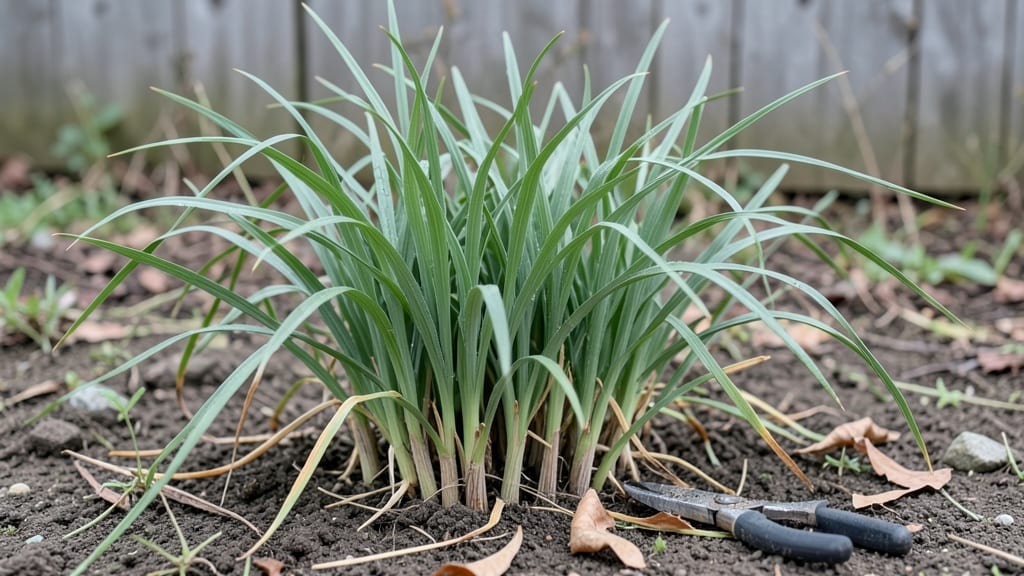
Cutting back fountain grass in late winter isn’t just pruning—it’s the secret to next summer’s fluffy, bushy crowns. 🌿 I’ve watched my Pennisetum go from ragged to showstopping in just a few weeks after the right cut, and it all starts with timing and technique.
The key is waiting until the grass is dormant but before new growth appears—usually between late February and March in most climates.
You’ll need sharp pruners or a clean hedge trimmer, gloves (those leaves are sharp!), and a clear day to avoid damp grass. The goal isn’t to shear it like a hedge—think of it as giving your fountain grass a deep haircut to reveal fresh, compact growth underneath.
Cut back to about 6-12 inches tall, depending on your variety, and resist the urge to go lower unless you’re dealing with dead material.
What you’ll end up with is a plant that looks like it was professionally styled, with vibrant new shoots emerging within weeks. The foliage stays denser, the blooms return thicker, and you avoid the leggy, sparse look that happens when grass isn’t pruned correctly.
Plus, it’s a great way to tidy up before spring planting season.
Here’s the thing—this method works for all Pennisetum varieties, from the towering ‘Little Bunny’ to the sprawling ‘Hameln’. Just adjust the height based on your plant’s natural shape, and you’re golden. Let’s get those blades looking fresh again!
📚 In This Guide
- What you need
- Instructions
- Tips and common mistakes
- Wrapping up and next steps
What you need
- ○ Pruning shears or hedge clippers: Sharp, bypass-style shears (4–6" blades) for clean cuts. Optional: Heavy-duty loppers (for thick stalks).
- ● Gloves: Sturdy, gardening gloves (nitrile-coated for grip and protection).
- ● Pruning saw (if needed): For overgrown, woody stalks—a curved-bladed saw works best.
- ● Rake or leaf blower: To clear debris after trimming. Pro tip: A bow rake is great for loose soil cleanup!
- ● Garden twine or stakes: For tying up grass clumps if they flop after cutting.
- ○ Disinfectant (optional but recommended): Rubbing alcohol (70%+) or bleach solution (1:9 bleach-to-water) to sterilize tools and prevent disease.
- ● Choose the right time: Late winter (just before new growth emerges) or early spring. Avoid cutting into dormant grass in harsh frost.
- ● Check the weather: A dry, calm day (no rain forecasted for 24 hours) to prevent fungal issues.
- ● Clear the area: Remove rocks, toys, or debris from around the grass clump to avoid accidents.
- ○ Hydrate the grass (optional): Water 1–2 days before cutting if your area is dry—this makes stalks easier to trim.
- ● Fertilizer (balanced, 10-10-10): Apply after pruning to boost regrowth.
- ● Mulch: Shredded bark or compost to retain moisture and suppress weeds.
- ● Camera or sketchbook: Snap before/after photos to track progress!
Step-by-Step instructions for reviving fountain grass after winter
Here's how I bring my fountain grass back to life—stronger and fuller each year.
✂️ Step 1: Time It Right for a Clean Cut
Wait until late winter when new growth begins but before the grass starts shooting up aggressively. This is usually 4-6 weeks before your last frost date, when daytime temperatures hover around 50-60°F. You'll notice fresh green shoots pushing through the old, brown foliage—this is your cue. Cutting too early risks damaging tender new growth, while waiting too long can leave the plant looking ragged.
I grab my pruners and make my first cut about 2-3 inches above the ground. This height gives the grass enough energy to regrow while preventing it from becoming too leggy. If your grass is particularly thick, you might need to cut it in stages to avoid overwhelming the plant. Think of it like giving your grass a fresh haircut—you want to shape it, not shave it down to nothing.
✂️ Step 2: Remove Dead Growth and Debris
After the initial cut, grab your garden shears and trim away any remaining dead or brown foliage at the base. This step is crucial because leftover debris can harbor pests or diseases over winter. You'll see the contrast clearly—the dead growth will be brittle and crumbly, while the new growth will feel firm and springy. Remove everything down to the 2-inch mark to encourage fresh, healthy regrowth.
I like to rake up the clippings and old debris afterward. This keeps the base of the plant clean and reduces the risk of fungal issues. If your fountain grass is in a landscaped area, you can compost the clippings—just avoid piling them directly against the plant's base, as this can trap moisture and lead to rot.
💧 Step 3: Water and Fertilize for Revival
Once you've trimmed the grass, give it a deep watering to help it recover from the cut. Water until the soil is 6 inches deep and moist, but avoid soggy conditions—fountain grass prefers well-draining soil. You'll know it's hydrated enough when water runs out of the drainage holes if your grass is in a container, or when the topsoil feels damp to the touch.
Now’s the time to add slow-release fertilizer to the soil around the base. I scatter about ½ cup of 10-10-10 fertilizer evenly in a 6-inch radius around the plant. This gives the grass the nutrients it needs to bounce back strong. Water the area lightly afterward to help the fertilizer settle into the soil. Avoid over-fertilizing—too much can burn the roots and stunt growth.
☀️ Step 4: Monitor and Encourage New Growth
Over the next 4-6 weeks, keep an eye out for new shoots emerging from the base. You'll notice them first as tiny green spikes pushing through the soil. Once they reach about 3-4 inches tall, your fountain grass is well on its way to recovery. If you notice any yellowing or wilting, it could be a sign of overwatering or nutrient deficiency—adjust your care routine accordingly.
During this time, I make sure the grass gets full sun exposure (at least 6-8 hours daily) and avoid cutting it again until it reaches 12-18 inches tall. This gives the plant time to establish strong roots and foliage. If you're in a cooler climate, you might need to protect young growth from late frosts with a light frost cloth until the danger of frost has passed.
Tips & tricks for perfect fountain grass revival
These simple tricks will help you revive your fountain grass like a pro—no guesswork required.
Timing is Everything: The 4-6 week window before your last frost is critical. You'll know you're ready when you see those first green shoots pushing through the old brown growth—this is your signal to act. I've seen too many gardeners cut too early and damage tender new growth, so wait until you're certain those fresh shoots are ready to take over.
Cutting Technique Matters: When making that first 2-3 inch cut in Step 1, use clean pruners to make sharp cuts rather than tearing the grass. For particularly thick clumps, I like to cut in stages—first the outer growth, then work your way inward. This prevents overwhelming the plant and gives you better control over the final shape. Think of it like layering a cake—you want clean, even layers.
Fertilizer Application Tip: That ½ cup of 10-10-10 fertilizer in a 6-inch radius is your plant's jumpstart. I like to sprinkle it lightly over the soil rather than piling it directly against the base, then water it in thoroughly. This prevents fertilizer burn while ensuring even distribution. For container-grown fountain grass, reduce the fertilizer to about ¼ cup to avoid overloading the smaller root system.
Monitoring New Growth: During those crucial 4-6 weeks, check for new shoots every 7-10 days. The ideal time to see them is in the morning when they're fully hydrated and easiest to spot. Once they reach 3-4 inches tall, you're on the right track—this means the plant is actively growing and recovering. If you notice yellowing leaves at this stage, it's often a sign of overwatering rather than under-fertilizing.
Pro Tips for Cut Back Fountain Grass
- These simple tricks will help you revive your fountain grass like a pro—no guesswork required.
- Timing is Everything: The 4-6 week window before your last frost is critical.
- Cutting Technique Matters: When making that first 2-3 inch cut in Step 1, use clean pruners to make sharp cuts rather than tearing the grass.
Frequently asked questions
When is the best time to cut back fountain grass?
Late winter—just as new growth begins—is ideal! Aim for before spring shoots appear (usually February to early March in most climates). This timing ensures a strong, bushy regrowth without sacrificing winter interest. Pro tip: If you missed the window, wait until early spring, but avoid cutting after active growth starts.
How short should I cut fountain grass?
Trim back one-third to half of the plant’s height—about 6 to 12 inches above the ground. Avoid cutting into the hard, woody base (the crown), as this can harm the plant. For a neater look, use sharp pruners or a string trimmer for thicker clumps.
What if my fountain grass looks dead after cutting?
Don’t panic! Healthy fountain grass often looks dormant in winter. If you see green shoots at the base or flexible stems, it’s alive. If the entire plant feels mushy or smells foul, it may be dead—replace it. Pro tip: Water lightly after pruning to encourage regrowth.
Can I cut back fountain grass in fall instead?
Not recommended! Cutting in fall removes winter protection and can expose the crown to frost damage. If your grass looks ragged by fall, leave it or lightly tidy up only the top third. Wait for late winter to do a full prune for the best results.
What’s an alternative if my fountain grass won’t revive?
If your plant refuses to bounce back, consider replacing it or trying a hardier variety like ‘Karl Foerster’ or ‘Little Sprite’. For instant curb appeal, pair it with ornamental grasses (like switchgrass) or low-maintenance perennials that thrive in similar conditions.
Wrapping up and next steps
Cutting back your fountain grass in late winter isn’t just about tidying up—it’s the secret to reviving lush, fluffy growth and setting the stage for a stunning summer display. 🌿 With the right tools, timing, and technique, you’ll transform that winter-browned mess into a verdant, bushy masterpiece.
Now that you’re armed with the know-how, there’s no better time to roll up your sleeves and get growing!
Ready to see the difference? Mark your calendar for late winter (just before new growth starts) and grab your pruners—your fountain grass is waiting for its comeback! 🌱