
Pruning
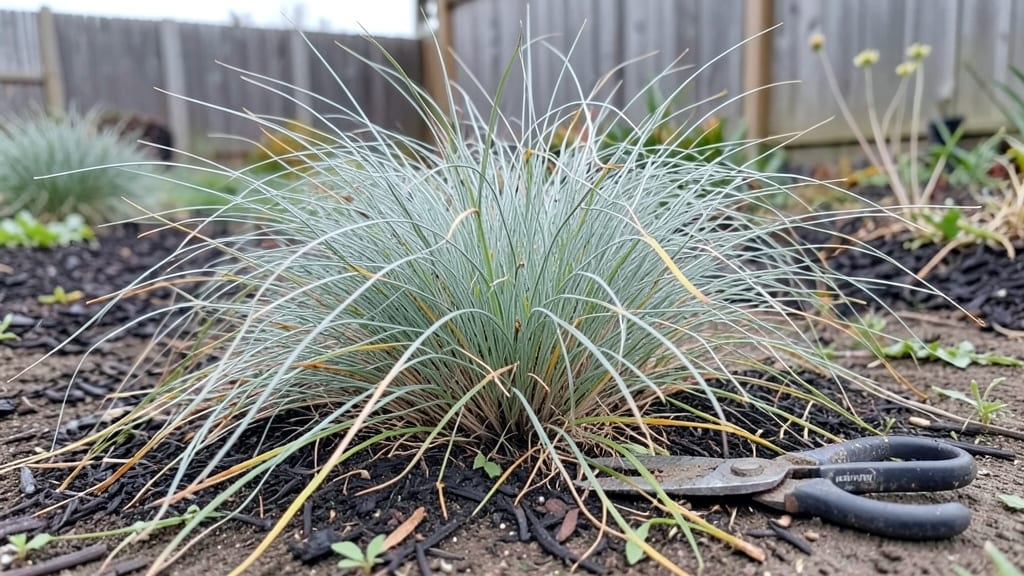
Mexican feather grass pruning keeps this airy plant looking effortlessly elegant all year—without turning your yard into a dusty mess. ✨ I’ve pruned mine for five seasons now, and the secret isn’t aggressive cutting but strategic trims that encourage that signature wispy growth.
The right timing and technique make all the difference between a plant that flops over and one that stays lush and upright.
You only need three tools: sharp pruning shears, a pair of gloves, and a dust mask (those fine blades kick up powder when cut). The best time to prune is late winter or early spring, just as new growth starts pushing through.
If your grass looks leggy mid-season, a light trim in summer keeps it tidy without sacrificing its airy texture. Avoid cutting back more than one-third of the plant at once—this keeps it healthy and prevents shock.
What you’ll end up with is a plant that stays neat, upright, and full without losing its signature movement. The key is cutting just above a node (that little bump where leaves meet the stem) to encourage new growth from the base.
This method also prevents overcrowding, so your grass doesn’t turn into a tangled mess. Plus, you’ll avoid the common mistake of cutting too close to the ground, which can kill the plant.
Works for both landscape borders and container plantings, and the same principles apply whether you’re dealing with a mature clump or a young plant. Once you get the hang of it, pruning takes just 10 minutes—and your grass will thank you with years of low-maintenance beauty.
Let’s get those shears ready!
📚 In This Guide
- What you need
- Instructions
- Tips and common mistakes
- Wrapping up and next steps
What you need
- ● Pruning shears or hedge clippers – Choose bypass-style shears (sharp, clean cuts) for precision. A 10-12 inch pair works best for most feather grass clumps.
- ● Heavy-duty gloves – Opt for gardening gloves with reinforced palms to protect against sharp blades and prickly stems.
- ○ Pruning saw (optional but helpful) – If your grass has thick, woody bases, a folding pruning saw (like a Felco or Fiskars) can cut through stubborn growth.
- ● Garden kneeler or stool – For comfort, especially if your grass is tall or in hard-to-reach areas.
- ● Rake or leaf blower – A bamboo or plastic rake (to avoid damaging blades) or a lightweight leaf blower to clear debris after pruning.
- ● Sharpie marker or twine – Useful for marking pruning lines if you’re shaping the grass formally.
- ● Watering can or hose with a gentle spray nozzle – To hydrate the plant before and after pruning (especially in dry climates).
- ● Choose the right time – Prune in early spring (March-April) or late summer (August-September) for best regrowth. Avoid heavy cuts in winter or peak summer heat.
- ● Check weather conditions – Wait for a dry, overcast day to prune (wet grass can clog tools and lead to disease).
- ● Assess plant health – If your grass looks brown or brittle, it may need revitalization (like trimming dead growth) rather than a full prune.
- ● Clear the area – Remove rocks, toys, or debris around the grass to avoid accidents while cutting.
- ● Plant food or compost – A balanced fertilizer (10-10-10) or compost tea to nourish the grass post-prune.
- ● Mulch or landscape fabric – To protect the base from weeds or erosion after trimming.
- ● Camera or sketchpad – If you’re experimenting with shapes, document your progress!
Step-by-step instructions for Mexican feather grass pruning
Here's how to keep your ornamental grass looking sharp all year with just a few simple cuts.
✂️ Step 1: Time Your First Cut for Late Winter
Wait until late winter—just as new growth begins to emerge—before making your first cut. This is the cleanest way to remove last year's dead foliage while leaving fresh growth intact. I like to prune in February when temperatures stay above 40°F at night, ensuring the plant isn't stressed by cold.
Use sharp pruners or shears to cut back the entire clump to about 6 inches from the ground. You'll notice the old, brown stems fall away easily, revealing the new green shoots underneath. This step prevents the grass from looking ragged and encourages thicker growth. Don't worry if it looks sparse at first—new growth will fill in quickly.
🌿 Step 2: Lighten Up in Early Spring
Once the grass reaches 12-18 inches tall in early spring, it's time for a lighter trim. This step refines the shape and keeps the plant airy. I usually do this in March or April, depending on your climate. The goal is to maintain the natural, feathery shape without cutting into the healthy growth.
Use your hands to gently separate the stems and trim only the longest, straggly blades. Cut at a 45-degree angle to avoid damaging the growing tips. You'll see the plant start to bush out as you encourage more branching. Avoid removing more than one-third of the plant at once—this keeps it from looking over-pruned.
☀️ Step 3: Mid-Year Maintenance for Fullness
By mid-summer, Mexican feather grass often develops a slightly wild look. This is when I give it a quick tidy-up to keep it looking intentional. Wait until after a light rain or watering session—when the soil is slightly moist—to make your cuts. This ensures the plant isn't stressed by dry conditions.
Trim any stems that have lost their feathery texture or appear browned at the tips. Focus on shaping the outer edges to maintain a natural, rounded form. You'll notice the plant's natural color variations become more pronounced as you remove the older, faded growth. This step keeps the grass looking lush without overworking it.
⏰ Step 4: Final Trim for Winter Prep
In late fall, before the first hard frost, give your Mexican feather grass one last trim. This step prepares it for winter dormancy and keeps it looking neat through the colder months. Cut back the entire plant to about 4-6 inches from the base, removing any remaining seed heads or browned blades.
Leave the trimmed stems in place—they provide some winter interest and protect the crown from freezing temperatures. You'll see the plant's natural texture and color variations stand out more against the bare landscape. This final cut ensures a clean start in spring without shocking the plant.
Tips & tricks for perfect Mexican feather grass pruning
Here's what nobody tells you about keeping your ornamental grass looking its best year after year.
Timing is Everything: The February timing in Step 1 is crucial because this is when the grass naturally begins its growth cycle. If you prune too early, you risk cutting into the new growth you want to preserve. I've learned that waiting until nighttime temperatures consistently stay above 40°F ensures the plant isn't stressed by cold snaps while still allowing the old growth to be easily removed. This timing creates the cleanest possible start for the season.
The 45-Degree Angle Secret: In Step 2, that 45-degree angle isn't just about looks—it's about plant health. Cutting at this angle prevents damaging the growing tips while still allowing you to shape the plant. I use a small mirror to check my angle if I'm not sure, and it makes all the difference in how the grass responds. This technique encourages more branching and creates that signature feathery look.
Seasonal Stress Prevention: The mid-summer maintenance in Step 3 is often overlooked, but it's what keeps your grass looking intentional during the heat of the year. Always wait until after watering—when the soil is slightly moist—to make your cuts. Dry conditions can shock the plant, and you'll notice the grass becomes more resilient when you respect this timing. This step prevents the "wild" look that often develops when people skip summer maintenance.
Winter Interest Strategy: In Step 4, leaving those trimmed stems in place isn't just about convenience—it's about creating visual interest during winter months. The natural texture of the dried stems provides contrast against bare landscapes, and they actually protect the crown from freezing temperatures. I've seen plants with these stems removed struggle more in harsh winters, while those with stems left in place bounce back more quickly in spring.
Pro Tips for Mexican Feather Grass Pruning
- Here's what nobody tells you about keeping your ornamental grass looking its best year after year.
- Timing is Everything: The February timing in Step 1 is crucial because this is when the grass naturally begins its growth cycle.
- The 45-Degree Angle Secret: In Step 2, that 45-degree angle isn't just about looks—it's about plant health.
Frequently asked questions
Got questions about pruning Mexican feather grass? You’re not alone!
Whether you're a first-time gardener or a seasoned pro, these common concerns can help you keep your ornamental grass looking its best with minimal effort. Let’s dive into the answers!
When is the best time to prune Mexican feather grass?
Prune Mexican feather grass late winter or early spring (just before new growth starts) for the cleanest look. Light trimming can also happen in fall to tidy up, but avoid heavy cuts then—it may stress the plant. Never prune in winter when the grass is dormant!
How much should I cut back Mexican feather grass?
Cut back one-third to half of the plant’s height, but never remove more than 50% in a single pruning. For most varieties, aim to leave 6–12 inches of growth—this ensures a full, bushy appearance while preventing dieback. Pro tip: Use sharp shears or a string trimmer for clean cuts!
What if my Mexican feather grass looks brown or dead after pruning?
Brown tips or stems are normal after pruning, but don’t panic—new growth should emerge within weeks. If large sections stay brown, you may have cut too aggressively. For stubborn dead spots, trim them out in spring. Ensure good drainage and avoid overwatering to prevent future issues.
Can I prune Mexican feather grass in summer?
Light shaping is fine in summer, but avoid heavy pruning—it can stress the plant during peak heat. If you must trim, do so early morning to reduce shock. For a neater look without harm, wait until fall or next spring. Summer is better for removing only dead or damaged foliage.
What if I skip pruning altogether?
Skipping pruning won’t kill your grass, but it may lose its shape and look wild. Over time, old growth can clog new shoots, reducing air circulation and increasing disease risk. A light annual trim keeps it healthy, vibrant, and low-maintenance—worth the 10 minutes!
Wrapping up and next steps
Pruning Mexican Feather Grass doesn’t have to be intimidating—just a little intentional care goes a long way! With the right tools, timing, and techniques, you’ll keep your ornamental grass looking lush and healthy year-round while minimizing effort.
Whether you’re trimming for shape, health, or seasonal renewal, remember: less is more with these graceful plants.
Ready to take the next step? Grab your pruners and schedule a quick session this weekend—your grass (and your garden’s curb appeal) will thank you! 🌿✨