
Pruning
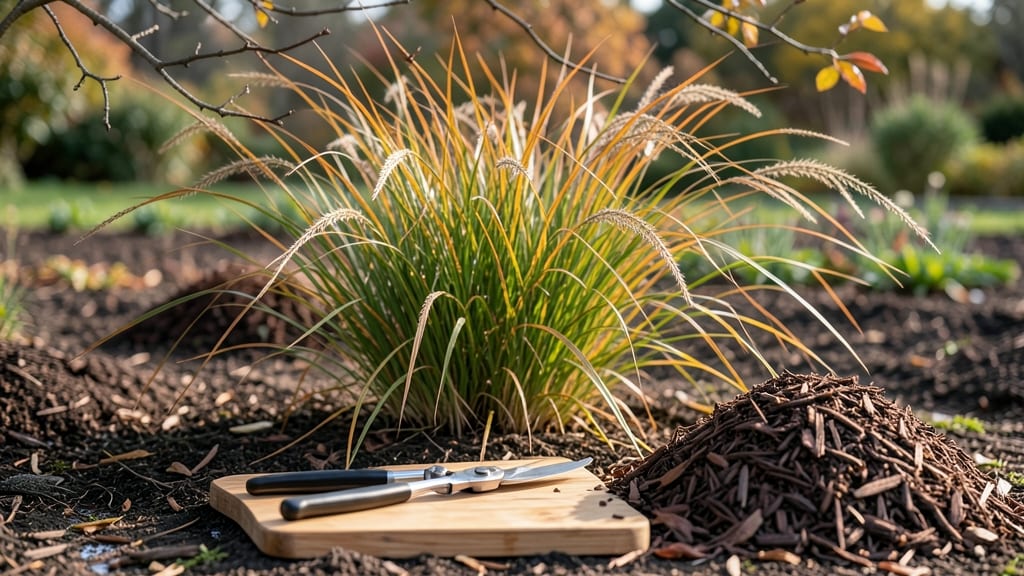
Ornamental grass trimming transforms a wild, floppy mess into a structured, showstopping feature that keeps looking fresh all year. I’ve spent years watching my fountain grass go from scraggly to sleek—once you learn the right timing and technique, it’s impossible to mess up.
The key isn’t just cutting back; it’s understanding when and how to coax that new growth into the shape you want.
You’ll need just three tools: sharp hedge shears for clean cuts, a pair of pruners for stubborn stems, and a sturdy rake to clear debris. Timing matters most—late winter or early spring is ideal for most grasses, but fountain grass can handle a mid-summer trim too.
The goal is to remove about one-third of the plant’s height, leaving the base intact to protect the crown where new shoots emerge.
After trimming, you’ll notice something magical: within weeks, fresh shoots push through the center, denser and more vibrant than before. The clump stays compact, the texture becomes lush, and pests like mice avoid the tidy habitat.
For maiden grass, a softer approach works—just tease out the straggly stems rather than shearing them flat.
Common mistakes include cutting too close to the ground or trimming at the wrong time, which stunts regrowth. But once you get the rhythm, it’s a quick 15-minute task that pays off in curb appeal and low-maintenance beauty. Ready to give your grasses a fresh start?
📚 In This Guide
- What you need
- Instructions
- Tips and common mistakes
- Wrapping up and next steps
What you need
- ● Heavy-duty pruners or hedge shears – Opt for bypass pruners (sharp, smooth blades) to avoid crushing stems. Budget pick: Felco F-2 or similar.
- ● Hand pruners (for finer cuts) – Great for trimming individual clumps or delicate varieties like Miscanthus.
- ● Extension pole pruners – A 4–6 ft pole with adjustable blades for tall grasses (e.g., Pennisetum or Cortaderia). Pro tip: Look for ergonomic grips to reduce arm strain! 💡
- ● String trimmer (weed whacker) – Use for thick, overgrown patches or hard-to-reach areas. Gas-powered models handle dense foliage better than electric.
- ● Gloves (cut-resistant) – Protect your hands from sharp edges and sap. Recommended: Mechanix Wear or heavy-duty gardening gloves.
- ● Knee pads or a small stool – Saves your joints when trimming low to the ground.
- ● Pruning saw – For stubborn, thick stems that won’t yield to shears.
- ● Disinfectant (rubbing alcohol or bleach solution) – Clean tools between cuts to prevent disease spread.
- ● Mulch or compost – Collect clippings to use as mulch or enrich your garden soil.
- ● Measuring tape – Helps maintain uniform height if you’re going for a polished look.
- ● Safety glasses – Especially useful when using a string trimmer.
- ● Identify your grass type (e.g., clumping vs. spreading)—some need annual cuts, others only every 2–3 years.
- ● Check the growth habit—some grasses (like Carex) benefit from selective trimming, while others (e.g., Purple Fountain Grass) can be sheared back hard.
- ● Time it right: Late winter/early spring (before new growth) is ideal for most varieties.
How to trim ornamental grass for a clean, polished look
Here’s the straightforward method I use to keep ornamental grass looking sharp without harming its natural growth.
Choose the Right Time for Trimming
Ornamental grasses thrive when trimmed at the right moment—never in their peak growing season. Early spring, just as new growth begins, or late winter before fresh shoots appear is ideal. This ensures you’re cutting back old foliage while leaving room for fresh, healthy growth. Avoid trimming in fall unless your grass has turned completely brown, as this can damage dormant buds.
Look for the first signs of green emerging from the base of the clump—that’s your cue. If you wait too long, you risk cutting into next year’s growth. For cold-hardy varieties, trimming after the first hard frost also works, but only if the grass is completely dormant.
Gather Your Tools and Prepare the Area
You’ll need a pair of sharp, clean hands pruners or a hedge trimmer for larger clumps, along with a broom and a garden bag for debris. Avoid dull tools—they tear rather than cut cleanly, leaving jagged edges that can invite disease. If your grass is tall or thick, work in sections to avoid overreaching and losing balance.
Clear the area around the grass of rocks, sticks, or other debris that could interfere with your cuts. A quick sweep with the broom ensures you can see the base of the plant clearly. This is especially important if you’re trimming near pathways or hardscapes where stray blades might create tripping hazards.
Trim to the Right Height for Each Type
Never cut more than one-third of the plant’s height at once—this rule applies to all ornamental grasses. For fine-textured varieties like Miscanthus or Feather Reed Grass, trim to about 6–8 inches from the ground in early spring. Coarser grasses, such as Maiden Grass or Switchgrass, can handle a slightly lower cut of 4–6 inches if they’ve grown tall.
Watch for the crown of the grass—the thick, woody base where new growth emerges. You’ll see it as a dense cluster of stems and roots. Stop cutting just above this point to avoid damaging the plant’s ability to regenerate. If you accidentally cut into the crown, the grass may take longer to recover or even die back.
Clean Up and Maintain for Long-Term Health
After trimming, gather all clippings with the broom and dispose of them in the garden bag. Leaving old foliage around the base can trap moisture and encourage fungal growth, especially in humid climates. If your grass is particularly dense, consider raking out the center to improve airflow and prevent compaction.
Water the base lightly after trimming to help the plant recover, but avoid soaking the soil. Overwatering can stress newly trimmed grass, especially in hot weather. Monitor the plant over the next few weeks for signs of stress, like yellowing leaves or slow regrowth—this usually means the cut was too severe or the grass wasn’t fully dormant.
Tips & tricks for perfect ornamental grass trimming
Here’s what I’ve learned from years of keeping ornamental grasses looking their best without sacrificing plant health.
Timing is Everything: The early spring window is your best bet for trimming, but don’t wait until you see more than 2-3 inches of new growth. If you miss this window, wait until after the first hard frost when the grass is completely dormant. I once trimmed too late in spring and accidentally cut into new growth—my grass took months to recover. Mark your calendar for late winter or early spring to avoid this mistake.
Tool Selection Matters: Sharp tools are non-negotiable. I’ve tried dull pruners that tore the grass instead of cutting cleanly, leaving ragged edges that looked unkempt and invited disease. Invest in quality pruners or hedge trimmers and sharpen them before each use. For larger clumps, a hedge trimmer with adjustable height settings makes the job much easier and more precise.
Height Guidelines for Different Types: Remember the one-third rule—never cut more than one-third of the plant’s height at once. For fine-textured grasses like Miscanthus, aim for 6-8 inches from the ground, while coarser varieties can handle a slightly lower cut of 4-6 inches. I learned this the hard way with a Maiden Grass clump that nearly died back after I cut it too aggressively. Always stop just above the crown to protect the plant’s growth center.
Cleanup Prevents Problems: After trimming, remove all clippings immediately to prevent fungal growth. I used to leave the debris around the base, thinking it would decompose naturally, but it created a moist environment that led to brown patches. A quick sweep with a broom and disposal in a garden bag keeps the area clean and healthy. For dense clumps, consider raking out the center to improve airflow and prevent compaction.
Pro Tips for Trimming Ornamental Grass
- Here’s what I’ve learned from years of keeping ornamental grasses looking their best without sacrificing plant health.
- Timing is Everything: The early spring window is your best bet for trimming, but don’t wait until you see more than 2-3 inches of new growth.
- Tool Selection Matters: Sharp tools are non-negotiable.
Frequently asked questions
Got questions about trimming ornamental grass?
You’re not alone! Here are answers to the most common concerns—from timing to tools—to help you keep your yard looking sharp.
When is the best time to trim ornamental grass?
The ideal time depends on the type of grass. For warm-season grasses (like fountain grass or maiden grass), trim in late winter or early spring before new growth starts. Cool-season grasses (like feather reed grass) can be trimmed in early spring or fall. Avoid cutting back brown, dormant foliage in winter—it protects the crown from cold.
How short can I trim ornamental grass?
Never cut more than 1/3 of the plant’s height at once. For most ornamental grasses, aim to leave 3–6 inches of growth above the ground. Over-trimming can stress the plant or expose the crown to rot. If your grass looks too short, wait until it grows a few inches more before pruning again.
What if my ornamental grass looks messy after trimming?
Ragged edges or uneven cuts happen! Use sharp pruners or a string trimmer with a fine blade for cleaner lines. For a polished look, trim in stages—cut back one-third at a time. If the grass flops over, it may need staking or support (like bamboo stakes) until it regains structure.
Can I trim ornamental grass in the fall?
Yes, but timing matters! For cool-season grasses, trim in early fall (September–October) to tidy up before winter. For warm-season grasses, wait until late fall or early spring—never cut back to the ground in winter. Leaving some seed heads adds winter interest and protects the plant.
What’s the best tool for trimming ornamental grass?
For small clumps, hand pruners or hedge shears work well. Larger grasses need a string trimmer with a nylon line or a heavy-duty grass trimmer. Avoid dull blades—they can rip foliage instead of cutting cleanly. A bow saw can help for thick, woody stems.
Pro Tip: Divide and conquer!
If your ornamental grass looks overcrowded or floppy, it may need division (splitting the clump). Trim back dead growth first, then dig up the root ball, separate it, and replant sections. Do this in early spring or fall for best results.
Wrapping up and next steps
Trimming ornamental grass isn’t just about keeping your yard tidy—it’s about revitalizing your landscape and ensuring your plants thrive year-round! 🌿 With the right tools, timing, and techniques, you’ll transform clumpy, overgrown grass into a showstopping feature.
Whether you’re a seasoned gardener or a beginner, confidence comes with practice, so don’t hesitate to roll up your sleeves and get creative.
Ready to take the next step? Start small—pick one section of your garden to practice your cuts, then expand as you gain momentum. Before you know it, your ornamental grass will be the talk of the neighborhood! 🌟