
Container Gardens
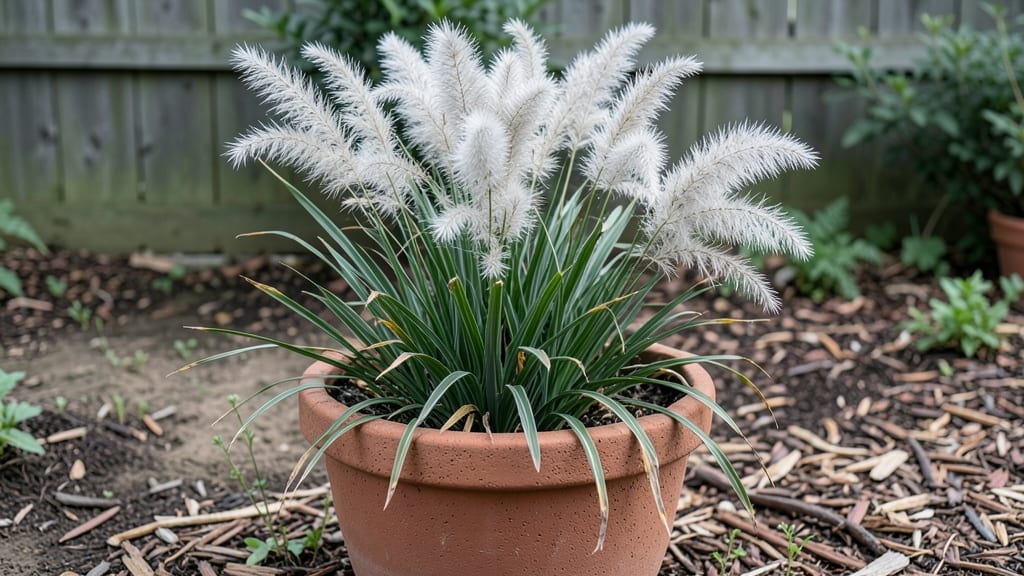
A pampas grass container must be large and well-draining—at least 12 inches deep and wide—to support its extensive roots and voluminous plumes. Opt for terracotta or fiberglass pots with drainage holes, then use a fast-draining mix with perlite or sand. Annual pruning and light spring fertilization keep it thriving.
Pampas grass isn't picky about containers, but its root system needs room to stretch—think of it like giving a toddler space to grow. 🔥 Terracotta pots help regulate moisture, while fiberglass holds up better in harsh weather.
The key is balancing drainage with aeration; too much sand can dry out roots, but compact soil traps moisture. I’ve found that adding orchid bark to the mix improves airflow and prevents rot, especially in humid climates.
Once planted, consistency is everything. Water deeply but let the top inch dry between sessions—overwatering is the #1 killer of pampas grass in containers. In winter, move pots to sheltered spots or wrap them in burlap to protect from freezing temps.
Pruning isn’t just about looks; it redirects energy to new growth, keeping those iconic plumes full and fluffy year after year.
💡 In This Article
- Choosing the Right Container for Pampas Grass
- Pampas Grass Container Planting and Maintenance Guide
Choosing the right container for pampas grass
The root system of pampas grass (Cortaderia selloana) spreads aggressively, requiring a container that mimics its natural habitat's loose, well-aerated soil.
A 12-inch diameter pot provides enough room for the fibrous roots to expand horizontally, while 12 inches of depth prevents root binding—a condition where roots circle the pot and strangle themselves.
Think of it like giving a vine enough space to climb: without room, the plant becomes stunted and prone to disease. 🌱
Material choice directly impacts moisture control and longevity. Terracotta pots excel at wicking moisture through their porous walls, which helps prevent root rot—a common issue in humid climates. However, they dry out faster, requiring more frequent watering.
Fiberglass, on the other hand, retains moisture longer and resists cracking in freeze-thaw cycles, making it ideal for colder regions. Plastic containers trap heat, which can stress the roots, so they're best avoided unless lined with insulation or used in shaded areas.
Drainage isn't just about holes—it's about the entire system. Pampas grass hates soggy feet, so your container must have at least 4 drainage holes (more for larger pots) paired with a 3-inch layer of gravel or expanded clay pebbles at the bottom.
This layer prevents compaction and ensures excess water escapes quickly. Without proper drainage, the roots suffocate, leading to yellowing leaves and fungal infections. The science here is simple: oxygen is as crucial as water for root health.
For mature plants, consider 18-inch diameter containers—this size accommodates the plant's eventual width while allowing for 2-3 years of growth before repotting becomes necessary. The extra space also helps stabilize the plant, preventing it from toppling over when those 3-foot-tall plumes develop.
Pro tip: Add a stake or trellis to the container during planting to provide early support, especially in windy locations.
Seasonal adjustments matter too. In summer, terracotta pots may need watering every 2-3 days due to rapid evaporation, while fiberglass might stretch to 5-7 days between waterings. Winter slows growth, so reduce watering to every 10-14 days and move containers to sheltered spots where temperatures stay above 20°F.
The goal is to keep roots active but not stressed—like Goldilocks, they need conditions that are "just right."
Here's what most gardeners overlook: the soil-to-container ratio. A 1:1 mix of fast-draining potting soil and perlite creates the perfect balance—60% air pockets for oxygen, 30% organic matter for nutrients, and 10% grit for drainage.
This blend prevents the soil from becoming a waterlogged swamp while still holding enough moisture for the plant's deep roots. Test your mix by squeezing a handful: it should crumble easily, not stick together like wet clay. 💫