
Landscaping
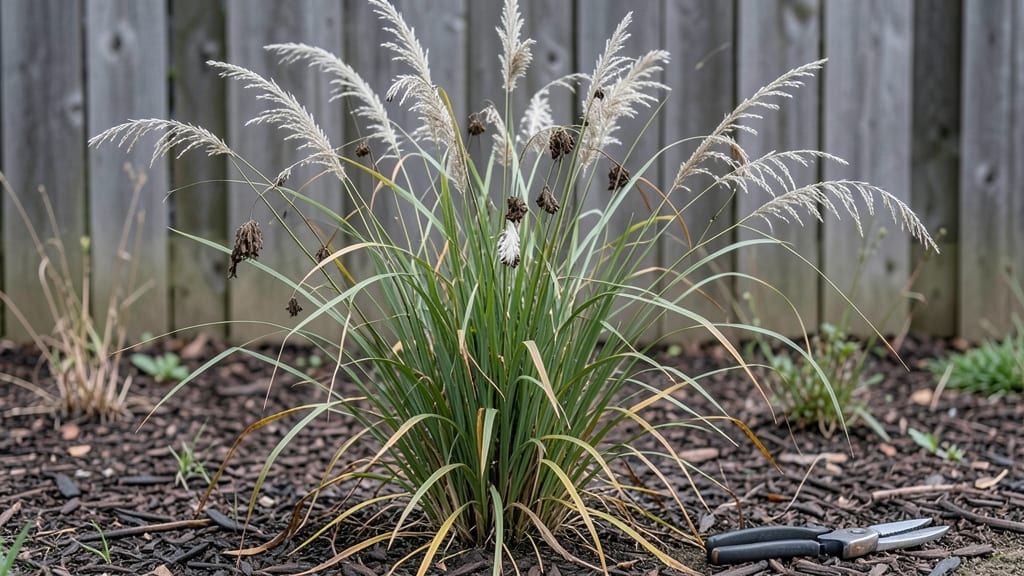
Maiden grass maintenance isn’t just about keeping it alive—it’s about turning your yard into a year-round showpiece with those dramatic plumes swaying in the breeze. I’ve spent years perfecting my approach, and the secret isn’t complicated: a few sharp cuts, the right timing, and a little seasonal TLC.
The payoff? Clumps that look shockingly lush even when neighbors’ gardens are struggling through summer droughts.
Start with the basics: one pair of pruners, a sharp knife, and a glove (trust me, the edges are razor-sharp).
Maiden grass thrives on neglect but rewards precision—cut back the old growth in late winter or early spring before new shoots appear, and you’ll avoid that messy, overgrown look. Watering’s simple too: deep soaks once a week in dry spells keeps roots happy without drowning them. The soil?
Just well-draining—no fancy amendments needed unless your yard is pure clay.
Here’s where it gets interesting: overgrown clumps aren’t a death sentence. Divide them in early spring by digging up the center and splitting the roots—your grass will bounce back faster than you think.
And winter? Just leave the dead foliage for insulation until late winter, when you’ll make that clean cut. The result? Velvety new growth by summer, with those signature plumes returning like clockwork.
Pro tip: group plants by height for maximum drama—tall varieties in back, shorter ones up front. And if pests or diseases show up (rare, but possible), a neem oil spray usually does the trick.
This isn’t just a plant; it’s a low-maintenance statement piece that works in borders, containers, or even as a standalone stunner. Let’s get your maiden grass looking its best.
📚 In This Guide
- What you need
- Instructions
- Tips and common mistakes
- Wrapping up and next steps
What you need
- ● Pruning shears or hedge clippers – Sharp, bypass-style shears (8–12" blade) for clean cuts.
- ● Heavy-duty gloves – Thick, gardening-grade gloves to protect against sharp edges.
- ○ Pruning saw (optional but helpful) – For thick stalks (10–12" blade).
- ● Garden rake or leaf blower – To clear debris after trimming.
- ● String trimmer (weed whacker) – For edging and hard-to-reach spots.
- ○ Compost or mulch (optional) – Organic matter to enrich soil post-pruning.
- ● ✅ Best timing: Trim in late winter or early spring (before new growth).
- ● ✅ Safety first: Wear eye protection if trimming near driveways.
- ● 💡 Pro tip: Use disinfectant on shears between cuts to prevent disease spread.
Step-by-step instructions for year-round maiden grass maintenance
Here's the straightforward approach I use to keep maiden grass thriving with minimal effort.
Prune for Shape and Health in Late Winter
Wait until late winter—after the last hard frost—before pruning. This timing ensures you remove dead growth while allowing new shoots to emerge from the base. Use sharp, clean pruners to cut back the previous year's foliage by one-third to one-half of its height. This encourages fresh, vigorous growth without stressing the plant.
Focus on removing any brown or damaged stems first. Maiden grass develops a natural, airy form, so avoid shearing to a uniform height—this disrupts its graceful, cascading habit. If you notice any thick, woody stems, trim those back aggressively to promote new growth. The goal is to open up the center, allowing light and air to reach the base where new shoots will emerge.
Fertilize and Mulch in Early Spring
Once new growth appears—usually in early spring—apply a balanced, slow-release fertilizer (10-10-10 ratio) around the base of the plant. Spread it evenly within the drip line (the area where water naturally falls when the plant is watered). This ensures the roots receive nutrients without direct contact, which can burn tender growth.
After fertilizing, top the soil with a 2-3 inch layer of organic mulch, such as shredded bark or pine needles. This retains moisture, suppresses weeds, and regulates soil temperature. Keep the mulch 2-3 inches away from the plant stem to prevent rot. Water deeply after mulching to settle everything in place and encourage root development. You’ll see stronger, more vibrant foliage within 4-6 weeks if the soil stays consistently moist.
Water Deeply During the Growing Season
Maiden grass is drought-tolerant once established, but deep, infrequent watering is key during its first growing season. Water once a week during dry spells, delivering 1-1.5 gallons per plant to encourage deep root growth. The soil should be dry to the touch 2-3 inches down before watering again—this prevents shallow roots and weak stems.
Water in the early morning to reduce evaporation and fungal risks. Avoid wetting the foliage if possible, as maiden grass is prone to leaf spot diseases in humid conditions. If you notice yellowing or wilting leaves, it’s often a sign of overwatering or poor drainage. Adjust your schedule to match your climate—cooler regions may need less frequent watering, while hot, dry areas will require more.
Divide and Thin in Early Fall
In early fall, when growth slows but before the first frost, check if the plant has become overcrowded. Maiden grass spreads slowly but can develop thick clumps over time. Dig up the plant carefully, using a sharp spade to divide the root ball into 3-4 inch sections, ensuring each has healthy roots and shoots. This rejuvenates the plant and prevents decline from overcrowding.
Replant the divisions in well-draining soil with partial shade to full sun, depending on your climate. Water thoroughly after transplanting and mulch lightly to retain moisture. Dividing also helps control the plant’s size—ideal if it’s outgrown its space. You’ll notice faster regrowth and more vigorous stems the following spring, as the plant focuses energy on new growth rather than maintaining a congested root system.
Protect in Winter and Prune Lightly in Early Spring
Once temperatures drop below 20°F, protect maiden grass by wrapping the base with burlap or frost cloth if your winters are harsh. This shields tender roots from freezing. In early spring, before new growth appears, give the plant a light trim to remove any remaining dead foliage. Avoid heavy pruning now—wait until late winter for the full reset.
Check for pests or disease during this time, particularly scale insects or fungal spots on older leaves. Treat with neem oil if needed, but maiden grass is generally resilient. If you notice bare patches, it may be time to divide the plant again or add compost to the soil. With proper care, your maiden grass will return year after year with minimal effort and maximum impact.
Tips & tricks for perfect maiden grass maintenance
These subtle adjustments make all the difference between maiden grass that thrives and grass that struggles—here's how to elevate your care routine.
Pruning Precision: When cutting back one-third to one-half of the height in late winter, focus on removing only the dead, brown stems first. Live stems have a slight green tint even in winter—preserve these to maintain the plant's natural structure. I use a sharp pair of pruners to make clean cuts just above a node where new growth emerges. This targeted approach prevents the plant from looking over-pruned while still encouraging fresh shoots.
Fertilizer Placement Matters: The drip line—where water naturally falls—is the perfect zone for applying that 10-10-10 fertilizer. Spread it in a circular pattern around the base, avoiding direct contact with the stems. I've found that gently raking the soil surface afterward helps the granules work their way into the root zone more effectively. This method prevents fertilizer burn while ensuring the roots get the nutrients they need for that vibrant foliage within 4-6 weeks.
Watering Wisdom: That once-a-week deep watering of 1-1.5 gallons per plant works best when done in the early morning. I recommend using a watering can with a long spout or a soaker hose to deliver water directly to the soil rather than splashing it onto the foliage. This targeted approach reduces fungal risks while encouraging deep root growth. If your soil feels dry only 1-2 inches down after a week, it's time to water again—this simple check prevents both overwatering and underwatering.
Winter Protection Strategy: When temperatures drop below 20°F, I wrap the base of maiden grass with burlap secured with twine, leaving the top exposed. This creates a microclimate that protects tender roots while allowing the plant to photosynthesize during any warm spells. In particularly harsh winters, I add a layer of straw mulch around the base for extra insulation. The key is to remove these protections as soon as spring arrives to prevent any potential rot from trapped moisture.
Pro Tips for Maiden Grass Maintenance
- These subtle adjustments make all the difference between maiden grass that thrives and grass that struggles—here's how to elevate your care routine.
- Pruning Precision: When cutting back one-third to one-half of the height in late winter, focus on removing only the dead, brown stems first.
- Fertilizer Placement Matters: The drip line—where water naturally falls—is the perfect zone for applying that 10-10-10 fertilizer.
Frequently asked questions
Got questions about keeping your maiden grass looking its best? You’re not alone—this ornamental grass has unique needs! Here are answers to the most common queries to help you maintain a stunning, low-friction lawn.
How often should I mow maiden grass?
Maiden grass grows fast—expect 6 to 12 inches of growth per year! Mow it once a year in late winter or early spring (before new growth starts) to keep it tidy. Avoid mowing during active growth to prevent stress. Pro tip: Use sharp blades to avoid tearing the grass.
Does maiden grass survive winter?
Yes! This cold-hardy grass thrives in USDA zones 5-9 and stays green year-round in mild climates. In colder areas, it may turn brown but rebounds in spring. No special winter care is needed—just avoid heavy foot traffic when dormant. Bonus: Its winter texture adds texture to snowy landscapes!
Why is my maiden grass turning brown?
Brown patches usually mean overwatering, underwatering, or poor drainage. Check soil moisture—maiden grass prefers well-draining soil and tolerates drought once established. If brown spots persist, test soil pH (ideal: 5.5-7.0) or adjust irrigation. Warning: Yellowing leaves could signal fungal issues—prune affected areas immediately.
Can I grow maiden grass in containers?
Maiden grass thrives in large pots (12+ inches deep) with drainage holes. Use a light, sandy mix and water when the top 2 inches of soil dry out. Tip: Place containers in partial shade to prevent heat stress. Repot every 2–3 years to refresh the soil.
How do I control maiden grass spread?
This grass spreads via rhizomes and seed, but it’s not invasive. To limit spread, edge the perimeter with a spade or barrier (like edging stones) in early spring. If it encroaches on walkways, mow it back once a year. Fun fact: Its clumping habit makes it easier to manage than bamboo!
Wrapping up and next steps
Maiden grass thrives with the right care—whether it’s seasonal trimming, watering wisdom, or fertilizing finesse. With these low-maintenance tips, you’ll enjoy a resilient lawn that stays lush year-round, saving you time and effort. 🌿
Ready to transform your outdoor space? Start small—pick one task from this guide (like mowing or fertilizing) and tackle it this weekend. Small steps lead to big results, and soon, your maiden grass will be the envy of the neighborhood!