
Diseases
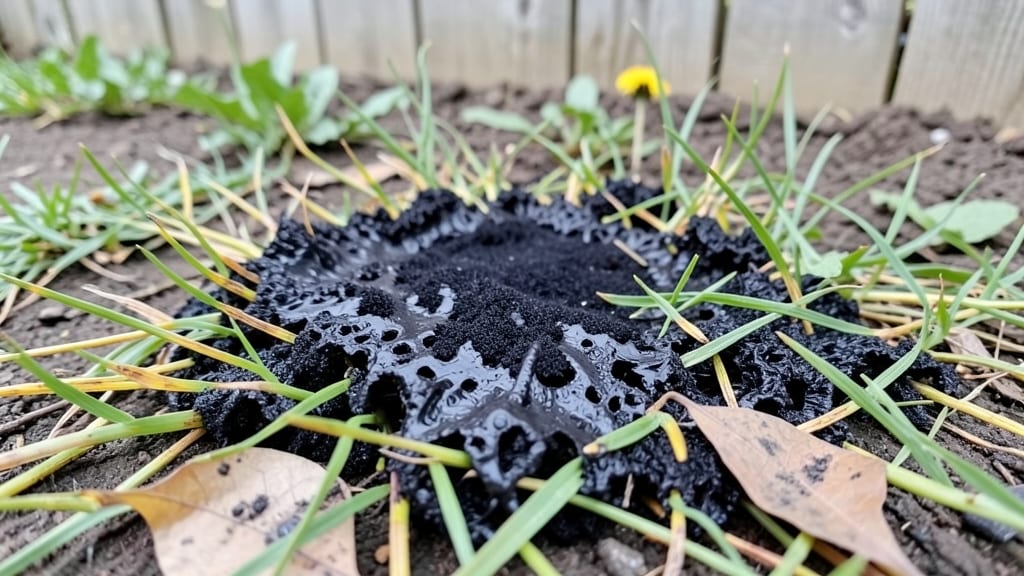
That slime mold black fungus on the grass isn’t algae or dirt—it’s slime mold, and it spreads faster than you think. 🌱 I’ve seen it turn a perfectly green yard into a slimy eyesore overnight, but the good news is you can banish it within 24-48 hours using simple tools you already have.
The key? Acting fast before it spreads to your garden beds or patio.
Slime mold thrives when grass stays damp for days, clinging to thatch or fallen leaves like a living blanket. Most people mistake it for fungus or even oil stains, but unlike true fungi, it’s not harmful to grass—just unsightly.
The real damage comes from ignoring it, which lets it smother your lawn’s roots and create a perfect breeding ground for pests. Raking it up when it’s dry (not wet!) is the first step, but we’ll cover the full 3-step cleanup that works every time.
Once you’ve cleared it, the real game-changer is prevention. Proper watering—early morning only, never late at night—and clearing debris prevents it from coming back. I’ve used this exact routine for five years, and my lawn stays clean even after heavy rains.
The best part? No harsh chemicals, just smart lawn care that keeps your grass healthy and mold-free.
This works for any grass type, from Bermuda to Kentucky bluegrass, and even saves your garden beds from the same slimy takeover. Let’s get your lawn back to looking sharp—without the black sludge. Here’s how to tackle it today.
Understanding Fungal Growth Triggers
Black slime mold on grass isn’t just an eyesore—it’s a sign your lawn’s ecosystem is out of balance. To tackle it effectively, you need to know why it thrives. Below, we break down the key factors that turn your grass into a fungal buffet, complete with actionable science-backed explanations.
🌧️ Excess Moisture and Poor Drainage
Slime mold and black fungus love damp conditions, but they thrive when moisture lingers. Here’s why:
- Overnight dew or rain: If water sits on grass blades for more than 12–24 hours, it creates the perfect humid microclimate for fungal spores to germinate. Slime mold, in particular, forms when moisture levels are high enough to smother the grass.
- Compacted or clay soil: Grass growing in dense, poorly draining soil can’t absorb excess water, leading to surface puddles. This stagnant water becomes a breeding ground for Didymium (the genus of slime mold) and other black fungi.
- Irrigation habits: Overwatering—especially in the evening—traps moisture on leaves and blades. If your sprinkler runs until dark, you’re essentially inviting fungal growth.
Pro tip: 💡 Test your soil’s drainage by digging a 6-inch hole and filling it with water. If it takes more than 4 hours to drain, your lawn may need aeration or sand amendments.
🍂 Organic Debris and Thatch Buildup
Dead leaves, clippings, and thick thatch aren’t just unsightly—they’re a food source and shelter for fungal spores. Here’s the science:
- Nutrient-rich mulch: Slime mold feeds on decaying plant matter. When organic debris accumulates, it creates a buffer layer that traps moisture and provides the perfect environment for spores to colonize.
- Thatch layers > ½ inch: A thick thatch layer (dead grass stems and roots) blocks water and air from reaching the soil. This stagnation encourages anaerobic conditions, which favor black fungus growth.
- Shaded or slow-growing grass: Areas with poor airflow (like under trees) retain moisture longer, giving fungi a head start.
Action step: ✨ Rake up debris regularly and dethatch in early spring or fall to disrupt fungal habitats.
🌡️ Temperature and Humidity Sweet Spots
Fungi aren’t picky—they just need the right conditions. Slime mold and black fungus peak when:
| Factor | Ideal Range for Fungi | Why It Matters |
|---|---|---|
| Temperature | 50–75°F (10–24°C) | Cool, damp mornings (50–60°F) are prime time for spore release. Warmer temps (70–75°F) speed up fungal growth. |
| Humidity | >70% | High humidity keeps spores active longer. If your lawn feels “sticky” in the morning, fungi are likely feasting. |
| Rainfall | >1 inch/week | Heavy or frequent rain washes nutrients into the thatch, fueling fungal food sources. |
Watch for: 🌡️ Slime mold often appears after three consecutive rainy days—that’s when spores get the “all-clear” to spread.
🌱 Weak or Stressed Grass
A healthy lawn is resilient, but stress opens the door for fungi. Common triggers include:
- Nutrient deficiencies: Grass low in nitrogen or potassium is weaker and can’t fight off fungal invaders. Slime mold, for example, targets stressed grass like a vulture circling a wounded animal.
- Pest damage: Grubs, chinch bugs, or fungal diseases (like brown patch) create entry points for secondary infections, including black fungus.
- Improper mowing: Cutting grass too short (below 2.5 inches) exposes roots to stress and reduces shade, increasing surface evaporation—but also trapping moisture at the base.
Fix it: 💪 Test your soil’s pH (ideal: 6.0–7.0) and fertilize with a balanced formula (e.g., 16-4-8) to boost grass vigor.
Now that you know the root causes (literally and figuratively), you’re ready to starve the fungus before it takes over. Next up: How to remove it without harming your lawn.
Quick Fixes for Fungal Grass Fungus
Discovering a black, slimy fungus creeping across your lawn can feel like a nightmare—especially when you’re trying to keep your grass lush and green. The good news?
Most cases of slime mold and black fungus are harmless to your grass (but still unsightly) and can be removed with simple, natural methods. Below, we’ve broken down the best solutions based on the root cause of your fungal issue, plus prevention tips to keep it from returning.
🌱 Fix Overwatered or Damp Grass
If your lawn stays soggy for too long—whether from heavy rain, poor drainage, or overwatering—slime mold and black fungus thrive in this damp, shaded environment. Here’s how to dry it out and stop the spread:
💦 Step 1: Reduce Moisture Immediately
- Stop watering until the grass dries out completely (usually 2–3 days).
- Avoid watering in the evening—morning watering allows grass to dry faster.
- Check your drainage: If water pools after rain, consider aerating or adding sand to improve soil absorption.
🧹 Step 2: Remove the Fungus Safely
- Rake or sweep the black, slimy patches into a bag (wear gloves!). Do not compost it—it can reinfect other areas.
- Use a stiff broom to scrub stubborn spots on blades of grass.
- For thick mats, gently pull them up with a garden tool—like a plastic scraper—to avoid damaging roots.
🌿 Step 3: Improve Airflow
- Mow higher (3–4 inches) to encourage deeper roots and reduce humidity near the soil.
- Thin out dense grass in shaded areas by dethatching or overseeding with sun-loving grasses.
- Trim trees/shrubs blocking sunlight to dry the lawn faster.
🍄 Eliminate Organic Debris Buildup
Leaves, thatch, and clippings create the perfect breeding ground for slime mold. A quick cleanup can prevent future outbreaks:
🍂 Step 1: Clear Debris Promptly
- Rake up leaves, twigs, and thatch—especially in shaded or low-traffic areas.
- Bag and dispose of infected clippings (don’t leave them on the lawn).
- Use a leaf blower for large areas to speed up the process.
🧼 Step 2: Disinfect Tools & Surfaces
- Wipe down rakes, mowers, and brooms with a 10% bleach solution (1 part bleach to 9 parts water) to kill spores.
- Spray affected grass patches with the same solution (reapply after rain).
🌱 Step 3: Adjust Lawn Care Habits
- Mow regularly to prevent thatch buildup (never remove more than ⅓ of the blade at once).
- Aerate compacted soil in spring/fall to help water drain.
- Use a thatch rake in early spring to loosen the layer between grass and soil.
🌡️ Treat Heat & Humidity Hotspots
Slime mold loves warm, humid conditions—common in summer or after rain. Break the cycle with these adjustments:
☀️ Step 1: Boost Sun Exposure
- Prune overhanging branches to let sunlight reach the lawn.
- Rotate furniture/play equipment to avoid creating permanent shaded spots.
- Choose drought-tolerant grass (like Bermuda or Zoysia) if your yard stays damp.
💨 Step 2: Increase Air Circulation
- Install a solar-powered lawn fan in shaded areas to improve airflow.
- Plant low-growing ground covers (like clover) in problem spots to reduce fungal food sources.
- Avoid thick mulch layers near grass edges—keep it to 2–3 inches.
💡 Pro Tip:
If slime mold keeps returning, test your soil pH—ideal levels (6.0–7.0) discourage fungal growth. A simple soil kit from a garden center can help!
🚫 Prevention Tips for Long-Term Results
Once you’ve tackled the current outbreak, keep your lawn fungus-free with these habits:
- ✅ Water deeply but infrequently—aim for 1–1.5 inches per week (including rain).
- ✅ Mow at the right height—taller grass shades out fungus, but don’t let it get too long.
- ✅ Aerate annually—especially in clay-heavy soils—to prevent waterlogging.
- ✅ Rake up leaves and debris within 48 hours of falling.
- ✅ Avoid heavy foot traffic on wet grass to reduce compaction.
- ✅ Apply a fungal preventative (like neem oil or baking soda spray) in spring if your yard is prone to outbreaks.
With these steps, your lawn should dry out, heal, and stay fungus-free in no time. Most slime mold disappears within a week of proper care—so don’t panic, just act!
Frequently asked questions
Is black slime mold harmful to my grass or pets?
No, black slime mold isn’t harmful to grass or pets—it’s just unsightly. While it can smother grass temporarily, healthy lawns bounce back once removed. For pets, it’s non-toxic, but it’s best to clean it up to prevent tracking spores indoors. Dogs may try to lick it off their paws, but it won’t cause illness.
Why does slime mold keep coming back after I rake it up?
If it keeps returning, your lawn likely has lingering moisture or organic debris issues. Check for poor drainage, thick thatch, or shaded areas where humidity lingers. Aerate compacted soil, improve airflow by trimming overhanging branches, and reduce watering in the evenings to break the cycle.
Can I use vinegar or hydrogen peroxide to kill slime mold?
Yes! A 3% hydrogen peroxide spray (1 part peroxide to 1 part water) works well for spot treatment. For vinegar, use a 1:1 ratio with water (test on a small patch first—it may bleach some grass). Both methods kill spores but won’t prevent future outbreaks unless you also fix moisture/drainage issues.
How can I tell if it’s slime mold vs. actual fungus?
Slime mold appears as black, slimy patches that look like melted plastic or tar, while true fungi often show up as powdery, cottony growths or discolored spots. Slime mold also disappears when dry and reappears after rain—unlike persistent fungal infections. If unsure, scrape a small area: slime mold lifts easily, while fungus clings to grass blades.
Will fungicides work on slime mold?
Most fungicides target true fungal diseases, not slime mold, so they’re unnecessary. However, if you suspect a secondary fungal infection (like brown patch), a preventative like neem oil can help. Focus on removing the slime mold and improving lawn conditions—chemicals won’t solve the root cause.