
Diseases
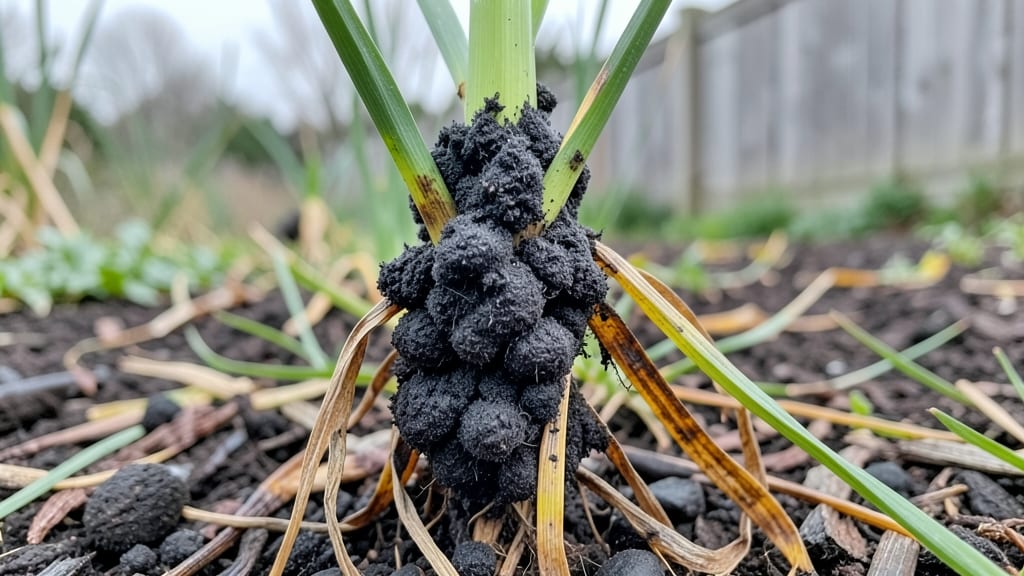
Your lawn's dark, velvety patches aren't just unsightly—they're likely black grass fungus spreading fast. 🌱 I've battled this stubborn problem after a wet spring, and the key to stopping it lies in acting within 48 hours of noticing the first signs.
The longer you wait, the deeper the roots of the issue—literally and figuratively.
The culprit is usually Rhizoctonia or black fungal patch, thriving in damp, shaded spots where grass struggles to breathe. My first mistake? Assuming it was just shade or poor drainage.
Turns out, it was a fungus feasting on weak grass blades, leaving behind those telltale black, circular patches that spread like wildfire. The good news? You can reverse it with the right mix of quick fixes and long-term habits.
Within 2-3 weeks of treatment, you'll see new green shoots pushing through the blackened areas—proof the grass isn't dead, just fighting back. The secret is combining fungicide for severe cases with cultural fixes like improving airflow and adjusting watering.
No more guessing what's wrong or watching your lawn turn into a fungal buffet.
Works for both cool-season and warm-season grasses, though the timing of treatments shifts with your climate. Let's get your lawn back to that vibrant green—fast and for good.
Why it happens
Blackened patches in your grass aren’t just unsightly—they’re often a silent battle between your lawn and microscopic invaders. Understanding the root causes of these dark, fungus-driven blemishes is the first step to reclaiming a lush, healthy yard.
Let’s break down the science behind why your grass turns black, so you can tackle the problem at its source.
🌱 Overwatering and Poor Drainage
Fungi thrive in damp, oxygen-deprived environments, and overwatering is their favorite party invitation. When grass sits in soggy soil for too long, it creates the perfect breeding ground for pathogens like Rhizoctonia or Pyricularia (the fungus behind brown patch disease).
These organisms multiply rapidly, smothering grass roots and turning blades black or grayish-brown.
Why it happens:
- Excess moisture weakens grass, making it vulnerable to fungal attacks.
- Compacted or clay-heavy soil prevents water from draining, trapping fungi at the root zone.
- Frequent light waterings (instead of deep, infrequent ones) keep the surface damp for extended periods.
Actionable fix: Test your soil’s drainage—if water pools after 6 hours, amend with sand or organic matter. Water early in the morning (4–6 AM) to allow foliage to dry by evening.
🍄 Thatch Buildup and Debris
That layer of dead grass, roots, and debris between your soil and green blades? It’s a fungus’s hideout. Thatch thicker than ½ inch traps moisture, blocks airflow, and creates a cozy home for Drechslera or Bipolaris fungi, which cause dark, velvety spots.
Leaves, twigs, and even mulch piled against grass edges can also harbor spores, spreading disease like wildfire.
Why it happens:
- Lack of mowing allows thatch to accumulate unchecked.
- Over-fertilizing (especially with high nitrogen) promotes thick thatch growth.
- Improper mowing height (cutting too short) stresses grass, making it easier for fungi to invade.
Actionable fix: Dethatch in early fall or spring using a rake or dethatching machine. Remove debris from the lawn’s perimeter and mow at 3–4 inches high to encourage airflow.
🌡️ Extreme Heat and Humidity
Hot, humid summers are a double whammy for grass: they stress plants while also creating ideal conditions for fungal spores to germinate. Diseases like Fusarium patch or gray leaf spot flourish in temperatures above 85°F (29°C) with high humidity (70%+).
Dark, sunken lesions or circular black patches often appear in these conditions, signaling a fungal takeover.
Why it happens:
- Slow-growing grass (due to heat) can’t outpace fungal spread.
- Nighttime dew keeps grass blades damp overnight, giving fungi 24/7 access.
- Shady or poorly ventilated areas trap heat and moisture, accelerating fungal growth.
Actionable fix: Water deeply in the early morning to reduce evening moisture. Choose heat-tolerant grass varieties (like Zoysia or Bermuda) and avoid heavy foot traffic during peak heat.
🧪 Nutrient Imbalances and Weak Grass
Grass that’s malnourished or deficient in key nutrients (like potassium or iron) is like an open door for fungi. Weak roots and thin blades can’t fend off pathogens, leading to blackened, dying patches.
Overuse of nitrogen-heavy fertilizers can also create imbalances, making grass more susceptible to diseases like take-all root rot.
Why it happens:
- Soil pH imbalances (too acidic or alkaline) lock out essential nutrients.
- Lack of micronutrients (like zinc or manganese) weakens grass immunity.
- Fertilizer burn from overapplication damages roots, inviting fungal infections.
Actionable fix: Test your soil’s pH and nutrient levels (aim for 6.0–7.0 pH). Apply a balanced fertilizer (e.g., 10-10-10) and consider a mycorrhizal fungus treatment to boost root health naturally.
🐛 Insect Damage and Compromised Roots
Grubs, chinch bugs, and other pests don’t just eat grass—they destroy the roots that keep it alive. When roots are chewed or weakened, grass becomes an easy target for fungi like Necrotic Ring Spot, which causes dark, concentric rings or blotches.
Even dead patches from insect activity can become fungal hotspots if left untreated.
Why it happens:
- Grubs (larvae of beetles) feast on roots, creating dead zones.
- Chinch bugs suck sap from blades, weakening the plant’s defenses.
- Sod webworms create irregular brown patches that fungi quickly colonize.
Actionable fix: Treat for grubs in late summer with beneficial nematodes or imidacloprid. Monitor for chinch bugs (look for wilting in dry spells) and apply neem oil or insecticidal soap as needed.
How to Fix It Fast
Black grass fungus—whether it’s black patch disease, dollar spot, or fungal molds—can turn your lawn into a shadowy mess. The good news? With the right approach, you can reverse the damage and keep your grass healthy.
Below are targeted solutions based on the most common causes, plus prevention tips to stop it from coming back.
🔥 Step 1: Identify & Confirm the Issue
Before treating, make sure it’s fungal and not another problem (like grubs, shade stress, or thatch buildup). Here’s how:
- Check for signs: Look for dark, greasy patches (black patch), straw-like circular rings (dollar spot), or moldy, fuzzy growth (especially in damp areas).
- Dig a small sample: Lift a section of grass. If the roots look brown or mushy, fungus is likely the culprit.
- Test for moisture: Fungal growth thrives in wet conditions. If your lawn stays damp for 48+ hours, that’s a red flag.
✅ Pro Tip: If the grass pulls up easily (like pulling a rug), it’s often fungal root rot—time to act fast!
🍳 Step 2: Treat the Fungus (By Cause)
🌡️ Cause: Overwatering or Poor Drainage
Fix: Adjust your watering habits and improve airflow.
- Water deeply but less often: 2–3 times per week (early morning) for ½–¾ inch total. Avoid daily light sprinkles.
- Aerate compacted soil: Rent a core aerator (spring or fall) to let water drain and oxygen reach roots.
- Fix low spots: Fill depressions with sand or compost to prevent water pooling.
💡 Prevention: Install a soil moisture sensor to track when your lawn really needs water.
🌿 Cause: Thatch Buildup (½” or Thicker)
Fix: Reduce thatch to ¼ inch or less for better fungicide penetration.
- Dethatch in early fall or spring using a vertical mower or rake.
- Overseed bare spots after dethatching to encourage new growth.
- Apply a thin layer of compost (¼”) to help break down thatch naturally.
✨ Pro Tip: If your lawn has thatch over ½ inch, consider top-dressing with sand to speed up decomposition.
🍄 Cause: Fungal Infection (Black Patch, Dollar Spot, etc.)
Fix: Use fungicides + cultural fixes for a 1–2 week recovery.
| Treatment | How to Apply | Best Time |
|---|---|---|
| Fungicide (e.g., Propiconazole, Chlorothalonil) | Spray evenly on dry grass (follow label rates). | Evening (to avoid UV breakdown) or early morning (before 9 AM). |
| Baking Soda Spray (for mild cases) | Mix 1 tbsp baking soda + 1 gallon water + few drops of dish soap. Spray lightly. | Weekly until improvement. |
| Nitrogen Boost (after treating) | Apply slow-release fertilizer (16-4-8 or 24-0-5) to strengthen grass. | 2 weeks post-fungicide. |
🔥 Extra Defense: After treating, mow high (3–4 inches) to shade out fungus and remove clippings to avoid spreading spores.
🚫 Step 3: Prevent Future Outbreaks
Once your lawn is back to green, lock in those gains with these habits:
- Mow regularly (never remove more than ⅓ of the blade height at once).
- Rake up leaves & debris (fungus loves hiding in thatch).
- Avoid late-night watering (wet grass overnight = fungus party).
- Test your soil (pH 6.0–7.0 is ideal for most grasses).
- Choose resistant grass types (e.g., tall fescue, Kentucky bluegrass for cooler climates; Bermuda, Zoysia for heat).
⏰ Timeline for Recovery
| Action | Time to See Results |
|---|---|
| Watering adjustments | 1–2 weeks |
| Fungicide treatment | 3–7 days (new growth) |
| Aeration + overseeding | 4–6 weeks (full recovery) |
| Thatch reduction | 2–4 weeks (depends on lawn thickness) |
💡 Final Tip: If fungus keeps coming back, consult a local lawn care pro—they can diagnose hidden issues like grubs, compacted soil, or nutrient deficiencies.
Ready to revive your lawn? Start with one fix (like adjusting watering) and monitor progress. Most fungal issues clear up in 2–4 weeks with consistent care! 🌱
Frequently asked questions
How can I tell if my lawn's dark patches are fungus or just dead grass?
Check for fuzzy growth or greasy-looking spots—these are classic fungus signs. Dig a small sample: if roots look brown/mushy (not dry), it's likely Rhizoctonia or another fungal disease. Dead grass usually pulls up easily with dry, brittle roots.
Will baking soda really kill grass fungus?
For mild cases, yes! Mix 1 tablespoon baking soda + 1 gallon water + a few drops of dish soap and spray lightly. It raises the pH slightly, creating an unfavorable environment for fungi. For severe infections, pair it with a fungicide like chlorothalonil for best results.
Why does fungus spread faster in shady areas?
Shade reduces airflow and slows grass growth, creating the perfect fungal buffet. Without sunlight, grass struggles to photosynthesize, weakening its defenses. Plus, shaded areas stay damp longer—ideal conditions for Pyricularia or Fusarium spores to thrive.
How often should I apply fungicide for black patch?
Apply every 2–4 weeks during peak fungus season (spring/fall). Start with a preventative treatment when you spot the first signs, then follow up after heavy rain. Always alternate fungicides to prevent resistance—rotate between chlorothalonil and propiconazole.
Can I still use my lawn after treating fungus?
Wait 24–48 hours after fungicide application before walking on treated areas. Avoid heavy foot traffic for 1 week to let grass recover. If you must use it sooner, stick to edges and avoid the worst patches.