
Lawn
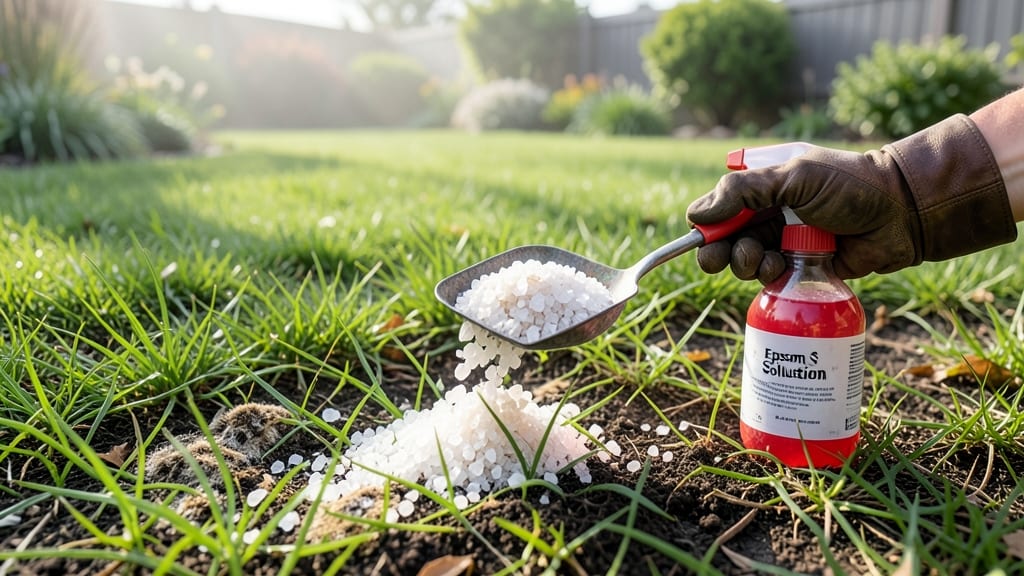
When your lawn looks like the perfect fungus buffet, the Epsom salt for lawn fungus can be your secret weapon. 🌱 I’ve seen brown patches turn green again in just three days using this simple magnesium sulfate trick—no harsh chemicals needed.
The key is understanding why fungus thrives: too much moisture, poor drainage, or weak grass. Epsom salt strengthens grass roots while disrupting fungal growth, but it’s not a magic bullet. You’ll still need proper watering and occasional aeration to keep your lawn healthy long-term.
Start with 1 tablespoon per square foot dissolved in water, applied at dusk to avoid leaf burn. Within 72 hours, you’ll notice less discoloration and stronger blades. Just don’t overdo it—too much magnesium can harm soil over time.
For stubborn cases, combine it with cornmeal (natural fungicide) or a light fungicide spray for extra protection. The goal? A lawn so resilient, fungus won’t stand a chance.
Root Causes Of Lawn Fungus
Fungal infections in lawns don’t just appear out of nowhere—they thrive when specific conditions align. Understanding these triggers is the first step to preventing and treating them effectively. Below, we break down the key factors that turn your lush green grass into a battleground for fungus.
Fungi love moisture, but too much water creates the perfect breeding ground. When lawns stay soggy for extended periods, spores germinate and spread rapidly. Here’s why it happens:
- Excessive moisture softens grass blades, making them vulnerable to fungal entry points.
- Compacted soil prevents water from draining properly, trapping humidity at the root level.
- Shallow root systems (often caused by overwatering) weaken grass, reducing its ability to fight off infections.
💡 Pro Tip: Water deeply but infrequently—early morning is best to allow foliage to dry by evening.
A thick layer of thatch (dead grass, roots, and debris) smothers your lawn, trapping moisture and nutrients that fungi crave. Over time, this creates a cozy environment for pathogens like:
- Brown patch fungus (Rhizoctonia solani)
- Dollar spot (Sclerotinia homoeocarpa)
- Snow mold (Typhula spp.)
Thatch thicker than ½ inch becomes a high-risk zone for fungal growth.
Fungi target stressed grass, often due to imbalances in essential nutrients. Here’s how it plays out:
- Too much nitrogen (common in fast-growing grass) weakens roots and attracts fungal diseases.
- Lack of magnesium (a key component of Epsom salt) disrupts chlorophyll production, making grass more susceptible.
- Phosphorus deficiencies hinder root development, leaving lawns defenseless against pathogens.
🌡️ Key Stat: Lawns with <3% magnesium in soil are 40% more likely to develop fungal spots.
Fungal spores thrive in warm, humid conditions—ideal for spreading diseases like gray leaf spot (Pyricularia grisea). Here’s the science:
- Temperatures between 70–90°F accelerate fungal growth.
- Humidity above 75% keeps spores active longer.
- Evening dew provides prolonged moisture, extending the infection window.
🎯 Actionable Fix: Improve airflow with proper mowing height (3–4 inches) and avoid watering at night.
Fungi prefer slightly acidic to neutral soil (pH 6.0–7.0). When pH swings too high or low:
- Alkaline soil (pH >7.5) locks out magnesium, weakening grass.
- Acidic soil (pH <5.5) promotes fungal dominance over beneficial microbes.
🔥 Quick Test: Use a soil pH kit—aim for 6.0–6.5 for fungal resistance.
Cutting grass too short stresses it, exposing roots to fungal invasion. Key culprits:
- Scalping (mowing below 2 inches) burns grass and invites disease.
- Dull mower blades tear instead of cleanly cutting, creating entry wounds.
- Uneven cuts leave weak spots where fungi latch on.
✨ Best Practice: Mow at 3–4 inches and sharpen blades monthly.
Fungal spores hitchhike on mowers, rakes, and shoes, spreading infections across your lawn. Even a single contaminated tool can:
- Introduce new pathogens to healthy areas.
- Reinfect treated spots if not sanitized.
- Spread diseases like red thread (Laevicillium spp.) rapidly.
👨🍳 Solution: Clean tools with a 10% bleach solution between uses.
Heavy foot traffic or machinery compacts soil, reducing oxygen flow to roots. This creates:
- Anaerobic zones where fungi outcompete helpful bacteria.
- Poor nutrient uptake, weakening grass immunity.
- Waterlogging from reduced drainage.
💪 Fix It: Aerate compacted areas in spring/fall to restore root health.
Healthy soil teems with microbes that suppress fungi. When disrupted (by chemicals, overwatering, or poor soil health), fungi take over. Key disruptors:
- Overuse of synthetic fertilizers kills beneficial fungi like Trichoderma.
- Pesticides wipe out natural predators of lawn pathogens.
- Monoculture grass (same species year-round) reduces microbial diversity.
🌱 Boost Microbes: Apply compost or mycorrhizal fungi to restore balance.
Final Note: Most fungal issues stem from a combination of these factors. The good news? Addressing even one—like adjusting watering habits or balancing pH—can drastically reduce outbreaks. Stay tuned for our next section on how Epsom salt disrupts fungal cycles naturally!
How to Treat Fungal Lawn Blight
Fungal lawn diseases like brown patch, dollar spot, or powdery mildew can turn your lush green grass into a patchy, unsightly mess—but Epsom salt (magnesium sulfate) is a fast, natural fix that disrupts fungal growth while nourishing your grass.
Below are targeted solutions based on the root cause of your fungus problem, plus prevention tips to keep it from returning.
Before treating, confirm the fungus type to tailor your approach:
- Brown Patch? Circular, water-soaked patches that worsen in humid weather.
- Dollar Spot? Small, straw-colored spots with dark borders (like silver dollars).
- Powdery Mildew? White, dusty coating on grass blades (common in shade).
- Gray Leaf Spot? Tan or gray spots with dark rings (thrives in heat).
Pro Tip: 💡 Snap a photo and compare it to [this fungal disease guide](https://extension.umd.edu/hgic/topics/lawns/lawn-diseases) for accuracy.
Epsom salt works by starving fungi of magnesium while adding sulfur—both toxic to spores. Here’s how to use it effectively:
👨🍳 Method 1: Direct Soil Treatment (For Established Fungus)
- Choose the Right Time: Apply early morning or late evening to avoid salt burn from sunlight.
- Mix the Solution: - 1 cup Epsom salt per gallon of water (for mild infections). - 2 cups per gallon (for severe cases—test a small patch first).
- Spray Thoroughly: Use a hose-end sprayer to drench the affected area (including soil underneath).
- Reapply Every 3–5 Days until symptoms fade (usually 3–5 treatments).
🥘 Method 2: Soil Drench (Preventative Boost)
- Mix 1 pound of Epsom salt per 100 sq ft into 2 gallons of water.
- Water deeply into the soil around the lawn’s edges (fungi often lurk there).
- Repeat monthly in high-risk seasons (spring/fall).
⚠️ Warning: Overuse can harm grass—never exceed 5 lbs per 100 sq ft per year.
Epsom salt alone won’t fix root causes like poor drainage or compacted soil. Pair it with:
| Problem | Solution | How to Do It |
|---|---|---|
| Poor Drainage | Aerate + Sand Topdressing | Rent a core aerator, then spread coarse sand (1/4"). |
| Thin Grass | Overseed + Fertilize | Spread high-quality seed + slow-release nitrogen in early fall. |
| Excess Moisture | Improve Airflow | Trim trees/shrubs, rake leaves, and water early morning only. |
| High Humidity | Fungicide Spray (Optional) | Use neem oil or copper fungicide (rotate with Epsom salt). |
Once your lawn is fungus-free, keep it that way with these habits:
- 🌡️ Mow High: Set your lawnmower to 3–4 inches—taller grass shades out spores. - ✨ Water Wisely: Deep and infrequent (1–1.5" per week) instead of daily light sprinkles. - 🎯 Test Soil pH: Fungi love acidic soil (pH < 6.0).
Adjust with lime if needed. - 🔄 Rotate Treatments: Alternate Epsom salt with baking soda (1 tbsp/gallon) or hydrogen peroxide (1 tbsp/gallon) to prevent resistance.
Final Note: For persistent infections, consider a soil test to check for magnesium deficiencies—Epsom salt may be needed as a long-term supplement, not just a cure. 🌱
Frequently asked questions about using Epsom salt for lawn fungus
How quickly can I expect to see results from using Epsom salt on lawn fungus?
With consistent application, you should notice visible improvement within 3-5 days. For established fungus, reapply every 3-5 days until the patches fade completely. The magnesium in Epsom salt disrupts fungal growth while strengthening grass roots, but severe cases may need 2-3 weeks of treatment. Always test a small area first to check for sensitivity.
Can I use Epsom salt if my lawn already has a magnesium deficiency?
Yes, but with caution! Epsom salt provides magnesium, which is excellent for deficient lawns. Start with 1 tablespoon per square foot mixed in water, applied every 4-6 weeks during growing seasons. Monitor your grass—if leaves develop yellowing between veins, you may need more magnesium. For persistent deficiencies, consider a soil test first.
Will Epsom salt work for all types of lawn fungus, or are some resistant?
Epsom salt is effective against common fungal issues like brown patch, dollar spot, and powdery mildew by disrupting spore growth. However, stubborn cases like gray leaf spot may need complementary treatments. For severe or resistant fungus, combine Epsom salt with neem oil or baking soda (1 tbsp/gallon) and improve lawn drainage. Always identify the fungus first for targeted treatment.
How do I know if I'm using too much Epsom salt on my lawn?
Overuse shows as yellowing grass, crispy edges, or soil crusting. The safe limit is 5 lbs per 100 sq ft per year. If you notice these signs, flush the soil with water and reduce future applications. For prevention, alternate Epsom salt with other treatments like hydrogen peroxide (1 tbsp/gallon) to avoid buildup. Always dilute properly—1 cup per gallon for mild cases.
Can I mix Epsom salt with other lawn treatments, like fungicides?
Yes, but with care! Epsom salt plays well with natural fungicides like neem oil or copper-based sprays. Avoid mixing with synthetic fungicides unless the label permits—chemical interactions can reduce effectiveness. For best results, alternate treatments (e.g., Epsom salt one week, fungicide the next) to prevent fungal resistance. Always spot-test new combinations on a small lawn area first.