
Pests
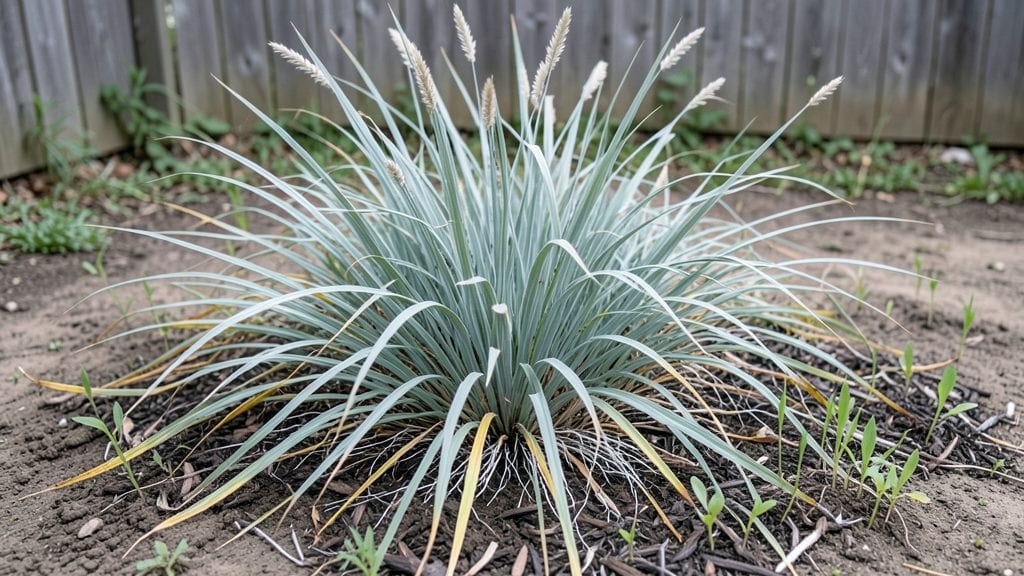
Chinese silver grass is invasive because its deep roots and rapid seed spread overwhelm native plants, creating dense monocultures that choke out biodiversity.
This ornamental grass thrives in disturbed soils and outcompetes locals by germinating year-round and forming extensive underground networks. 🌱 Once established, it's nearly impossible to eradicate without persistent effort—my garden once lost a 20-foot border to it before I learned the hard way about pre-emergent herbicides.
The key is acting early, before those seeds get a chance to sprout en masse.
Native ecosystems suffer most because Chinese silver grass doesn't provide food or habitat for local wildlife, unlike many native grasses. Its ability to grow in poor soils and tolerate drought makes it particularly dangerous in xeric regions where native plants already struggle to compete.
💡 In This Article
- How Chinese Silver Grass Outcompetes Native Flora
- Step-by-Step Guide to Eradicating Chinese Silver Grass
How Chinese silver grass outcompetes native flora
Chinese silver grass dominates landscapes through a three-pronged biological advantage: its underground rhizome network can extend up to 12 feet horizontally, creating a dense, interconnected root system that steals water and nutrients from surrounding plants.
This network allows it to recover from mowing or grazing, unlike many native grasses that rely on shallow roots. The plant also produces thousands of seeds per stalk, which germinate year-round—even in winter—giving it a 12-month competitive edge over seasonal native species.
What sets it apart is its shade tolerance. While most ornamental grasses struggle in low-light conditions, Chinese silver grass thrives under 30-50% canopy cover, making it a formidable competitor in wooded areas where native understory plants would normally dominate.
Its vertical growth habit (reaching 3-6 feet tall) also blocks sunlight, creating a "shade umbrella" that suppresses ground-level vegetation. Compare this to native grasses like little bluestem, which typically maxes out at 2-3 feet and requires full sun for optimal growth.
The real kicker? Chinese silver grass doesn't just outgrow natives—it chemically inhibits them. Research shows it releases allelopathic compounds through its roots, suppressing the growth of competing plants within a 2-foot radius.
This chemical warfare is particularly effective against young seedlings of native wildflowers and ground covers, which lack the resilience to push through both physical and chemical barriers. Imagine trying to grow a wildflower meadow next to this plant—its presence would effectively create a no-grow zone around it.
Here's where things get tricky: its drought resistance makes it nearly unstoppable in water-stressed environments. While native grasses like switchgrass may go dormant during dry spells, Chinese silver grass maintains active growth by tapping into deep water reserves via its extensive rhizomes.
This persistence allows it to double its biomass in a single growing season under ideal conditions, creating dense monocultures that resemble artificial turf rather than natural ecosystems.
Consider this comparison: A 1-square-foot patch of established Chinese silver grass can produce 500-1,000 seeds annually, while a native grass like Indiangrass produces only 100-200 seeds under the same conditions.
The seed-to-seedling survival rate is equally staggering—where native grasses might see 10-20% germination, Chinese silver grass often exceeds 70% due to its hard seed coat that resists weathering. This reproductive firepower ensures that even if you remove the mature plants, new seedlings will emerge within weeks.
What most people don't realize is how its growth habits disrupt ecological services. Native grasslands provide critical habitat for pollinators, birds, and small mammals through their diverse structure—different heights and seed times create a mosaic of resources.
Chinese silver grass, however, creates a uniform, low-nutrient environment that supports almost no wildlife. Its lack of floral structures means no nectar for bees, and its dense growth prevents ground-nesting birds from establishing territories. 🌿