
Plants
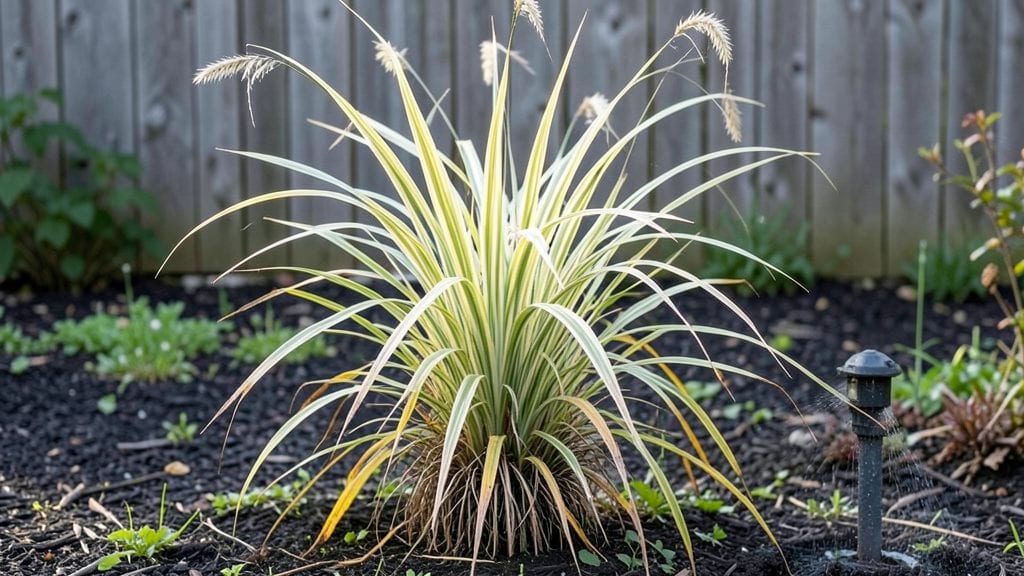
Ornamental grasses bring movement and texture to gardens without demanding a single thing in return. 🌿 I’ve grown everything from feathery fountain grasses to bold maiden grasses, and the secret to their success isn’t complicated—it’s about matching the right variety to your space and then stepping back.
These plants thrive on neglect, their airy plumes dancing in the breeze while other perennials beg for attention.
The best part? They handle just about anything—dry shade, windy slopes, or full sun—so long as you pick the right type for your conditions. Fountain grasses like Pennisetum love hot, sunny spots, while maiden grasses (Miscanthus) tolerate cooler climates.
Plant them in well-draining soil, give them a little space to spread, and forget about them until spring cleanup. That’s it.
By late summer, you’ll have a garden that feels alive with rustling foliage and golden plumes swaying in the wind. No deadheading, no staking, no fuss—just pure, effortless beauty that lasts from spring through winter.
The only rule? Don’t cut them back until early spring, when new growth starts pushing through.
Works for city balconies, rural borders, or anywhere you want to add height and drama. Here’s how to make them the star of your garden without lifting a finger after planting.
📚 In This Guide
- What you need
- Instructions
- Tips and common mistakes
- Wrapping up and next steps
What you need
- ● Ornamental grasses: Choose 3–5 varieties (e.g., Miscanthus sinensis, Pennisetum alopecuroides, Carex oshimensis). Start with 1–3 plants per variety for a balanced look.
- ● High-quality potting mix or native soil: 1 cubic yard (for in-ground planting) or 5–10 gallon bags (for containers). Use a mix amended with 20–30% compost for better drainage.
- ● Organic fertilizer: 5–10–10 or slow-release granular fertilizer (e.g., 1 lb per 100 sq ft). Opt for low-nitrogen blends to avoid leggy growth.
- ● Mulch: 2–3 inches of shredded bark, pine straw, or gravel to retain moisture and suppress weeds.
- ● Garden trowel or spade (for digging holes 2–3x wider than the root ball).
- ● Pruning shears or hedge clippers (for shaping and late-winter/early-spring cleanup).
- ● Watering can or hose with adjustable nozzle (for deep watering 1–2x per week in the first year).
- ● Gloves (heavy-duty for thorny varieties like Panicum virgatum).
- ● Measuring tape or ruler (to space plants 18–36 inches apart, depending on mature size).
- ● Container gardeners: Large pots (15–25 gallons) with drainage holes and saucers.
- ● Drought-tolerant varieties: Stipa tenuissima or Calamagrostis acutiflora (thrive with minimal watering once established).
- ● Decorative stakes or markers (to label varieties and track growth).
- ● Soil test kit (to check pH (6.0–7.5) and adjust with lime or sulfur if needed).
- ● Wildlife-friendly add-ons: Native grasses attract birds and butterflies—pair with seed heads for winter interest!
Step-by-step guide to planting and maintaining ornamental grasses
Here's how to get stunning, low-maintenance grasses thriving in your landscape.
🌱 Step 1: Select and Prepare the Planting Site
Choose a location with full sun to partial shade—most ornamental grasses tolerate 6+ hours of sunlight daily, though a few varieties like Carex prefer dappled shade. Avoid low spots where water pools, as soggy soil causes root rot.
Loosen the top 6 inches of soil with a garden fork to improve drainage. If your soil is heavy clay, mix in 2-3 inches of compost to lighten it. Grasses love well-draining soil but won’t thrive in compacted ground. Tap the fork gently to break up clumps without disturbing deeper layers.
🪴 Step 2: Plant Grasses at the Right Depth and Spacing
Dig a hole twice as wide as the root ball but only as deep as the container’s base. Gently remove the plant from its pot and tease the roots outward if they’re circling. Place the grass in the hole so the top of the root ball sits just below soil level—burying too deep suffocates the plant.
Space clumping grasses 18-36 inches apart (check your variety’s mature width) and spreading types 3-5 feet apart. I like to plant in odd-numbered groupings—three or five plants create natural movement. Water deeply after planting to settle the soil around roots.
☀️ Step 3: Water and Mulch for Strong Establishment
Water 1-2 inches per week during the first growing season, keeping soil evenly moist but not soggy. You’ll know it’s right when water drains through in 15-30 minutes. After two weeks, reduce to 1 inch weekly—grasses are drought-tolerant once established.
Spread 2-3 inches of mulch around the base, keeping it 2 inches away from stems to prevent rot. I use shredded bark because it breaks down slowly and improves soil over time. Mulch also suppresses weeds, which compete for moisture and nutrients.
✂️ Step 4: Prune and Maintain Through the Seasons
In late winter or early spring, cut back old foliage to 4-6 inches above ground level with clean pruners. This encourages fresh growth and prevents disease. Some grasses, like Miscanthus, develop striking seed heads—leave those until they turn brown for winter interest.
Fertilize lightly in spring with ½ cup of 10-10-10 fertilizer per 10 square feet. Too much nitrogen makes grasses flop over. Watch for pests like aphids or spider mites—spray with water first, as many pests dislike the disturbance. Most ornamental grasses are pest-resistant once healthy.
🌿 Step 5: Divide and Propagate Every 3-5 Years
When grasses outgrow their space, dig up clumps in early spring or fall. Split the root ball into 3-5 sections, ensuring each has healthy roots and shoots. Replant divisions immediately in prepared soil. This rejuvenates the parent plant and gives you free new specimens.
Here’s the thing—dividing is easier than it sounds. Just use a sharp spade to slice through the root mass, then gently separate the sections. Water thoroughly after replanting. Your grasses will thank you with lush, vigorous growth for years to come.
Tips & tricks for perfect ornamental grass planting
A few simple strategies will help your ornamental grasses thrive with minimal effort—and prevent common mistakes that stifle growth.
Soil Prep Secret: Don't just loosen the top 6 inches of soil—focus on breaking up any compacted layers below that. I press my garden fork down firmly at 45-degree angles to create channels for roots to spread. This is especially important if your yard has heavy clay. Confession: I skipped this step my first year and my grasses struggled through droughts afterward.
Planting Depth Tip: The "just below soil level" rule applies to the root ball's top, but here's what nobody tells you—if you're planting in containers, leave the top 1/3 of the root ball exposed. This prevents rot while still keeping the plant stable. For container planting, I use a mix of potting soil and perlite to ensure that perfect drainage.
Watering Wisdom: Those 15-30 minutes for water drainage are your guide, but here's the real trick: water in the morning so the foliage has all day to dry. Wet leaves at night invite fungal diseases. I set a timer for my sprinkler system to deliver exactly 1-2 inches weekly during establishment—this consistency makes all the difference in root development.
Pruning Strategy: When cutting back to 4-6 inches in late winter, use clean pruners and make sharp cuts at a 45-degree angle. This prevents tearing and creates a clean surface for new growth. For grasses with seed heads like Miscanthus, I leave them until they're completely brown—this adds winter interest and provides food for birds.
Pro Tips for Growing Ornamental Grasses
- A few simple strategies will help your ornamental grasses thrive with minimal effort—and prevent common mistakes that stifle growth.
- Soil Prep Secret: Don't just loosen the top 6 inches of soil—focus on breaking up any compacted layers below that.
- Planting Depth Tip: The "just below soil level" rule applies to the root ball's top, but here's what nobody tells you—if you're planting in containers, leave the top 1/3 of the root ball exposed.
Frequently asked questions
What’s the best time of year to plant ornamental grasses?
Plant ornamental grasses in early spring or early fall when soil temperatures are mild but not scorching. This gives roots time to establish before extreme heat or cold sets in. Avoid planting in peak summer—drought stress can stunt growth. If you’re in a warm climate, fall planting is ideal to leverage winter rains.
Do ornamental grasses survive winter? How do I protect them?
Most ornamental grasses are hardy and cold-tolerant, but tender varieties (like Miscanthus sinensis) may need a little help. Cut back dead foliage in late winter or early spring (after the last frost) to encourage fresh growth. For extra protection, wrap young plants in burlap or mulch heavily around the base. Native grasses, like switchgrass, often thrive without intervention!
How often should I water ornamental grasses?
Once established (after 1–2 years), ornamental grasses are drought-tolerant and only need watering during prolonged dry spells. Water deeply but infrequently—about 1 inch per week—to encourage deep root growth. Newly planted grasses need consistent moisture (water 2–3 times per week) until they’re settled in. Pro tip: Water at the base, not overhead, to prevent fungal issues.
Can I grow ornamental grasses in containers? What’s the best setup?
Smaller varieties like Carex or Pennisetum ‘Little Bunny’ thrive in containers. Use a well-draining potting mix with perlite or sand, and choose pots with drainage holes. Opt for wide, shallow containers (12–18 inches in diameter) to accommodate their spreading roots. Move containers to partial shade in summer if your climate gets scorching—grasses appreciate a little relief from intense heat.
Why are my ornamental grasses turning brown or dying? How do I fix it?
Brown tips or patchy death usually signal overwatering, underwatering, or pests. Check the soil moisture—soggy soil = root rot, while crunchy, dry clumps = thirsty roots. Inspect for grasshoppers, spider mites, or fungal spots (like rust or leaf spot). Treat pests with neem oil or insecticidal soap, and prune dead fronds to encourage regrowth. Pro tip: If the center dies out, it’s often a sign of overcrowding—divide the grass in spring to refresh it!
Wrapping up and next steps
Growing ornamental grasses is a rewarding journey that brings texture, movement, and effortless beauty to any garden—no green thumb required! 🌿 Whether you're drawn to their arching elegance, winter hardiness, or low-maintenance charm, these plants prove that stunning landscapes don’t need complicated care.
Now that you’re armed with the right varieties, tools, and tips, it’s time to roll up your sleeves and plant!
Your next step? Pick a spot, grab a trowel, and let nature do the rest! Start small with a single clump or go bold with a dramatic border—either way, your garden will thank you. Happy planting! 🌱