
Lawn
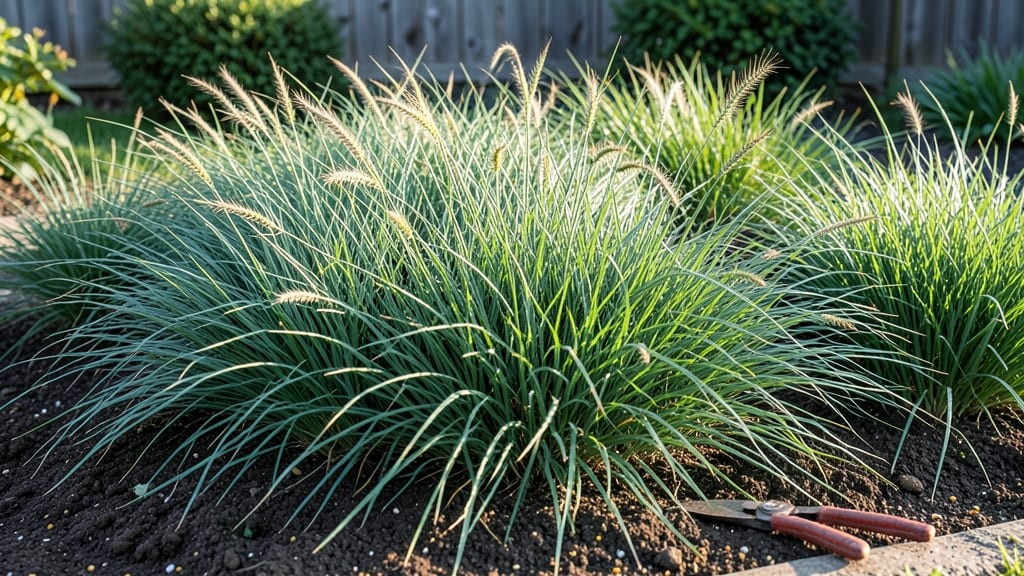
Those patches of grass growing faster in your lawn aren’t just uneven—they’re begging for your fix, and the solution is simpler than you think. ✨ I’ve seen this happen after heavy rain, pet spots, or even just inconsistent watering.
The key is understanding why those patches are thriving while others lag behind.
Most of the time, it’s a nitrogen imbalance—either too much in one spot or not enough elsewhere. Maybe you’re overwatering certain areas, or grubs are feasting underground, leaving your grass starved.
The good news? A soil test and a few targeted fixes can turn those patches into the envy of the neighborhood within weeks.
You’ll end up with a lawn that grows evenly, stays vibrant, and handles droughts better. The secret is balancing nutrients, breaking up compacted soil, and keeping moisture consistent. No more guessing—just science-backed results that actually work.
Works for any grass type, from cool-season Kentucky bluegrass to warm-season Bermuda. Let’s get your lawn back to looking like it’s in a postcard, not a patchwork quilt.
Hidden Triggers Behind Uneven Growth
When you notice patches of grass growing faster than the rest of your lawn, it’s usually not a random act of nature—it’s a sign that something specific is fueling that growth.
Understanding these triggers helps you address the issue and restore balance to your yard. Here’s why your grass might be growing faster in certain spots:
🌱 Excess Nutrient Deposition
Grass thrives on nutrients, especially nitrogen, which promotes rapid growth. However, when certain areas receive more nutrients than others, they grow faster, creating visible patches. Here’s how it happens:
- Animal Waste: Dog urine, bird droppings, or wildlife activity can deposit concentrated nitrogen in small areas. The high nitrogen content acts like a fertilizer, causing grass to grow faster in those spots. Pro Tip: Dilute urine with water or spread it evenly to avoid hotspots.
- Fertilizer Misapplication: Over-application or uneven spreading of granular or liquid fertilizer can lead to localized nutrient overload. Always follow the recommended application rates and use a spreader for even coverage.
- Compost or Mulch Buildup: Organic matter like compost, mulch, or even fallen leaves can break down and release nutrients into the soil. If these materials accumulate in one area, they can create a nutrient-rich pocket.
💧 Irrigation Imbalances
Water is the lifeblood of grass, and inconsistent irrigation can lead to faster growth in overwatered patches. Here’s why:
- Sprinkler Overlap or Malfunction: If your sprinkler system has overlapping zones or a broken head, certain areas may receive more water than others. Overwatered grass grows faster because excess moisture promotes root stress and nutrient uptake.
- Soil Compaction or Poor Drainage: Areas with compacted soil or poor drainage retain more water, leading to soggy conditions. Grass in these spots may grow faster due to the increased moisture and oxygen deprivation in other areas.
- Manual Watering Habits: If you’re watering specific patches (like near a hose or watering can) more frequently, those areas will inevitably grow faster. Use a consistent watering schedule to keep the lawn uniform.
☀️ Sunlight and Shade Variations
Grass growth isn’t just about nutrients and water—sunlight plays a crucial role. Patches in sunnier or shadier spots may grow at different rates:
- Sun Exposure: Areas with more direct sunlight receive more energy for photosynthesis, leading to faster growth. If part of your lawn is in full sun while another is partially shaded, the sunny patches will outpace the shaded ones.
- Shade from Trees or Structures: Grass in shaded areas grows slower due to limited sunlight. However, if a tree or structure casts partial shade (e.g., dappled sunlight), the grass in those spots may grow faster because it’s still receiving some light while other areas are in full shade.
- Seasonal Changes: As trees leaf out in spring or shed leaves in fall, sunlight patterns shift, causing temporary growth imbalances. Adjust mowing heights and fertilization schedules to account for these changes.
🌿 Soil Composition Differences
The soil beneath your lawn isn’t uniform, and variations in texture, pH, or organic matter can cause uneven growth. Here’s how soil affects grass growth rates:
- Clay or Sandy Pockets: Clay soil retains moisture and nutrients longer, while sandy soil drains quickly. Grass in clay-heavy areas may grow faster due to excess moisture, while sandy areas may struggle to retain enough water and nutrients.
- pH Imbalances: Soil pH affects nutrient availability. If one area has a higher pH (more alkaline), it may lock out essential nutrients like nitrogen, while a lower pH (more acidic) can make nutrients more available, leading to faster growth.
- Organic Matter Content: Areas with higher organic matter (like decomposed leaves or compost) have richer soil, promoting faster grass growth. Conduct a soil test to identify nutrient deficiencies or excesses and amend as needed.
🐜 Pest or Fungal Activity
Sometimes, faster-growing patches aren’t a sign of health—they could indicate an underlying issue like pest infestations or fungal activity. Here’s how:
- Grubs or Insect Larvae: Certain insects, like grubs, feed on grass roots, causing stress and uneven growth. However, if the infestation is localized, the grass in that area may initially grow faster as it compensates for damage before declining.
- Fungal Infections (e.g., Dollar Spot, Brown Patch): Some fungi can create conditions where grass grows faster in infected patches due to increased microbial activity. If you notice discoloration or thinning alongside faster growth, test for fungal issues and treat accordingly.
- Weed Competition: Fast-growing weeds like crabgrass or clover can outpace your lawn grass, making it seem like the grass is growing faster in those areas. Weeds also compete for nutrients, which can slow down the surrounding grass.
Fix Uneven Grass Growth Naturally
If your lawn has patches growing faster than others, the good news is that most solutions are simple, cost-effective, and require minimal effort. Below, we’ve mapped common causes to targeted fixes—plus prevention tips to keep your grass uniform and vibrant. Let’s get your lawn back on track!
🌱 Overwatering or Poor Drainage? Adjust Your Irrigation
Too much water or compacted soil can lead to soggy, fast-growing patches while other areas struggle. Here’s how to fix it:
🔥 Check Your Watering Schedule
- Test soil moisture: Dig a small hole (4–6 inches deep). If water pools or the soil stays damp for more than a day, you’re overwatering.
- Water deeply but less often: Aim for 1–1.5 inches per week (including rain), split into 2–3 sessions (early morning is best).
- Use a rain gauge or tuna can: Place it on your lawn to measure water output accurately.
👨🍳 Improve Drainage
- Aerate compacted soil: Rent a core aerator or hire a pro to pull plugs from the lawn (spring/fall are ideal).
- Top-dress with sand or compost: Mix ½ inch of coarse sand or organic compost into aeration holes to loosen soil.
- Install a French drain (for severe cases): Bury a perforated pipe in a trench with gravel to redirect excess water.
💡 Pro Tip:
🌡️ Avoid watering at night—wet grass overnight invites fungal diseases like brown patch or dollar spot, which can further stress uneven growth.
🍳 Nitrogen Imbalance? Balance Your Fertilizer
Fast-growing patches often signal too much nitrogen in one spot (from fertilizer, pet waste, or organic matter like leaves). Here’s how to correct it:
🔪 Test Your Soil First
- DIY test kit: Pick up a $20 home test kit (like LaMotte or Luster Leaf) to check pH and nutrient levels.
- Send a sample: For precise results, mail a sample to a local extension office (costs ~$15–$30). They’ll recommend exact fertilizer ratios.
🥘 Apply Fertilizer Evenly
- Use a broadcast spreader: Walk in a crisscross pattern to ensure even coverage. Calibrate the spreader for your lawn size.
- Choose slow-release fertilizer: Opt for organic options (like alfalfa meal or bone meal) or synthetic slow-release (e.g., polymer-coated urea).
- Avoid "hot" fertilizers: Quick-release nitrogen (like ammonium sulfate) can burn grass and worsen uneven growth.
✨ Fix Over-Fertilized Patches
- Dilute with water: If you’ve overapplied, lightly water the area to help the soil absorb excess nutrients.
- Top-dress with compost: Spread ¼ inch of compost over heavy patches to dilute nitrogen and improve soil structure.
🍎 Shady vs. Sunny Spots? Adjust Grass Type
Some grass varieties thrive in sun, while others prefer shade. If your lawn has sun-loving grass in shady patches, it’ll grow faster (or vice versa). Here’s how to match grass to light conditions:
📊 Identify Your Grass Type
- Sun-loving grasses: Kentucky Bluegrass, Bermuda, Zoysia.
- Shade-tolerant grasses: Fine Fescue, St. Augustine, or creeping red fescue.
- Test with a flashlight: Hold a flashlight at noon—if light barely reaches the spot, it’s low-light.
💪 Overseed Problem Areas
- For sunny patches with shade grass: Overseed with Kentucky Bluegrass or Tall Fescue (sun-tolerant).
- For shady patches with sun grass: Overseed with Fine Fescue or Ryegrass (shade-friendly).
- Best time to overseed: Early fall (cool temps = less stress on grass).
🎯 Prevent Future Mismatches
- Mulch trees properly: Use wood chips or shredded leaves to protect roots and retain moisture.
- Prune overhanging branches: Trim limbs to let 30–50% more light reach the lawn (but avoid sudden drastic changes).
🔥 Pest or Disease Damage? Treat the Root Cause
Uneven growth can also stem from grubs, chinch bugs, or fungal infections. Here’s how to diagnose and treat:
🐛 Check for Grubs or Insects
- Dig up a small patch: Look for white grubs (½-inch worms) or chinch bugs (tiny black insects). If present:
- Apply grub control: Use beneficial nematodes (organic) or imidacloprid (synthetic).
- Encourage predators: Birds and toads love grubs—leave some leaf litter or mulch for them.
🍄 Treat Fungal Issues
- Signs: Circular bare patches, mushrooms, or spongy grass.
- Fix it:
- Improve air circulation: Thin out dense trees/shrubs.
- Water in the morning (never overhead at night).
- Apply fungicide: Use copper-based sprays or propiconazole (follow label rates).
💡 Pro Tip:
🔥 Don’t over-treat! If you suspect disease, take a sample to your extension office for a free diagnosis before applying chemicals.
🌟 Prevention Checklist for Long-Term Uniformity
Keep your lawn lush and even with these low-maintenance habits:
| Task | When | How |
|---|---|---|
| Mow high (3–4 inches) | Every 1–2 weeks | Use a sharp blade and never remove more than ⅓ of the grass height at once. |
| Dethatch if needed | Early fall or spring | Rent a dethatcher to remove thatch buildup (¼ inch or thicker). |
| Core aerate | Fall or early spring | Do this annually for compacted clay soil. |
| Test soil every 2–3 years | Early fall | Adjust pH (ideal: 6.0–7.0) and nutrients as needed. |
| Clean up pet waste | Daily | Urine and feces add uneven nitrogen—rinse spots with water. |
With these fixes, your lawn should even out within 4–6 weeks. Consistency is key—stick with the routine, and you’ll enjoy a thick, green carpet all season long!
Frequently asked questions
Why do some grass patches grow faster than others in my yard?
Fast-growing grass patches usually result from uneven nutrient distribution, like concentrated nitrogen from pet waste or fertilizer runoff. Other causes include inconsistent watering, soil compaction, or sunlight variations between shady and sunny spots.
How can I tell if my fast-growing grass is healthy or a sign of trouble?
Healthy fast growth means vibrant green color and strong roots. Trouble signs include discoloration, spongy texture, or mushrooms—these suggest fungal issues or grub damage. Dig up a small patch to check for pests if you're unsure.
Will fixing uneven grass growth require professional help?
Most cases can be handled with DIY solutions like soil testing ($20 kits), proper watering, and aeration. For severe compaction or pest infestations, consider hiring a pro for tools like core aerators or grub treatments.
How long does it take to see even growth after making adjustments?
With consistent care, you'll typically notice improvements in 4-6 weeks. The fastest results come from fixing watering habits and aerating compacted soil, while soil amendments may take longer to balance nutrients.
Can I use household items to fix uneven grass growth?
Yes! Try these natural fixes: Use coffee grounds as a slow-release nitrogen source, spread ¼ inch of compost to dilute nutrients, or place a tuna can in your sprinkler zone to monitor water output. These work best when combined with proper lawn maintenance.