
Neem Oil
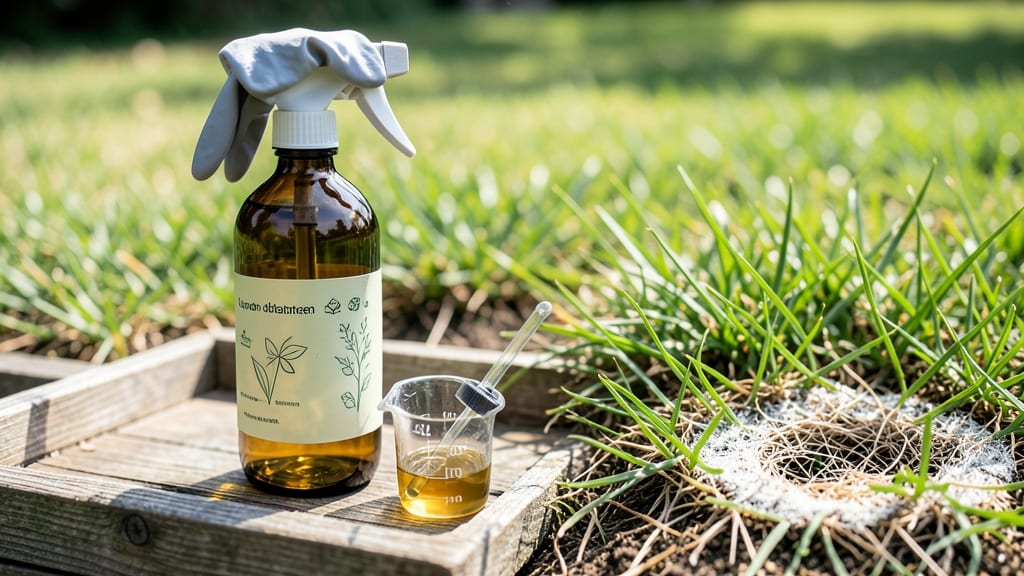
Neem oil for lawn fungus is the organic secret weapon that saved my dollar spot-ravaged lawn last summer. 🌱 The moment I saw those telltale white rings appear, I knew I needed something stronger than watering adjustments.
Neem oil doesn't just mask the problem—it disrupts the fungal life cycle at the cellular level, often showing visible improvement within 24 hours.
Here's the thing—most people overlook the importance of timing and concentration. You need to apply it when fungal spores are active (early morning or evening) and mix it with a surfactant to help it stick.
My first attempt failed because I used plain water—until I added a teaspoon of dish soap per gallon. That small change made all the difference.
What you'll end up with is a lawn that stops spreading those ugly brown patches and actually starts recovering its vibrant green. The best part? It's safe for kids and pets once fully dry, and you won't be dealing with chemical residue like you would with synthetic fungicides.
The smell fades quickly too, so no one will know you're waging a biological war against fungus.
This works for brown patch, dollar spot, and even rust fungus—just adjust the frequency based on your lawn's recovery rate. For preventive maintenance, a monthly application during high-moisture seasons keeps fungal pressure low. The key is consistency, not intensity.
Root Causes Of Lawn Fungus
Fungal lawn infections aren’t just random bad luck—they thrive when specific conditions align like a perfect storm. Understanding why fungus takes over your grass is the first step to preventing it organically. Here’s a breakdown of the key culprits and the science behind them:
Fungi love moisture—too much of it turns your lawn into a fungal buffet. When soil stays soggy for prolonged periods, spores germinate and spread rapidly. Here’s why it’s a problem:
- Excessive moisture: Fungi need at least 48 hours of dampness to establish. Watering at night or during humid mornings traps moisture in grass blades, creating ideal conditions.
- Compacted soil: Heavy foot traffic or clay soil prevents water from draining, leaving roots waterlogged. Fungi like Rhizoctonia and Dollar Spot exploit this.
- Thatch buildup: A thick thatch layer (dead grass + roots) traps water against the soil, shielding fungal spores from drying out.
Actionable fix: Water deeply but early in the morning (before 10 AM) to allow foliage to dry. Aerate compacted soil in fall to improve drainage.
Fungi are temperature-sensitive opportunists. They flourish in specific climate ranges, often triggered by seasonal shifts:
| Fungus Type | Ideal Temp Range | Humidity Trigger | Peak Season |
|---|---|---|---|
| Brown Patch (Rhizoctonia solani) | 75–90°F (24–32°C) | ≥80% humidity for 24+ hours | Late spring to summer |
| Dollar Spot (Clarireedia jacksonii) | 60–85°F (15–29°C) | Dew or light rain on warm nights | Spring/fall (cool seasons) |
| Powdery Mildew (Erysiphe graminis) | 60–75°F (15–24°C) | High humidity + poor airflow | Summer (shady lawns) |
Pro tip: 🌡️ Mow higher in summer (3–4 inches) to shade soil and reduce heat stress on grass. Use a soil thermometer to monitor temps—fungi strike when soil hits 70°F+ for days.
A healthy lawn is fungus-resistant. When grass struggles, it becomes an easy target:
- Nutrient deficiencies: Low nitrogen (_N_) or potassium (_K_) weakens cell walls, making grass vulnerable to Red Thread or Leaf Spot.
- Thin or patchy grass: Bare spots create entry points for spores. Fungi like Snow Mold exploit winter-thinned areas.
- Pests as allies: Grubs, chinch bugs, and sod webworms damage roots, stressing grass and inviting fungal infections.
Science note: Fungi release enzymes that break down dead plant matter—thin grass = more food for them.
Actionable fix: Test soil pH (ideal: 6.0–7.0) and fertilize with slow-release organic options (e.g., compost or alfalfa meal). Treat pest outbreaks before they stress the lawn.
Fungal spores are everywhere—airborne, in soil, and even on tools. But they only cause problems when they find the right conditions:
- Wind & water: Spores hitch rides on breezes or splash from irrigation/shoes, landing on fresh grass cuts (mowing spreads them!).
- Thatched debris: Dead grass and clippings harbor spores. Thatch > ½ inch thick = fungal hideout.
- Contaminated tools: Mowers, rakes, and aerators can transfer spores from infected areas to healthy ones.
Did you know? Some fungi (like Fairy Ring) produce bioluminescent mycelium—glowing rings at night! But don’t wait for a light show—act now.
Prevention tip: 🧹 Clean tools with 70% isopropyl alcohol between uses. Remove thatch via dethatching in early spring.
Now that you know why fungus strikes, the next step is how to starve it out with neem oil—naturally and fast.
Natural Fixes for Fungal Lawn Spots
Fungal lawn infections like brown patch, dollar spot, or powdery mildew can turn your lush green yard into a patchwork of frustration—but neem oil offers a powerful, organic way to fight back.
Below, we’ll break down cause-specific solutions using neem oil and complementary methods, plus prevention tips to keep your lawn healthy long-term.
---
Cause: Rhizoctonia solani thrives in warm, humid nights and overwatered grass. Fix: 1. Apply neem oil as a fungicide 🔥 - Mix 1–2 tbsp neem oil per gallon of water with a surfactant (like dish soap) to help it stick. - Spray evenly at dusk (avoid direct sun—it burns grass) on damp grass for better absorption. - Reapply every 7–10 days until new growth appears (usually 2–3 weeks).
2. Improve airflow 🌬️ - Thin out dense grass with a sharp mower blade (set to 3–4 inches high). - Rake up thatch buildup to reduce moisture traps.
3. Adjust watering habits 💧 - Water early morning (before 9 AM) to let grass dry by night. - Avoid frequent light watering—deep, infrequent watering (1–1.5 inches per week) stresses out fungi.
--- Cause: Sclerotinia homoeocarpa loves cool, wet conditions and weak grass. Fix: 1. Neem oil + baking soda combo 🍳 - Step 1: Spray neem oil (as above) twice weekly for 3 weeks. - Step 2: Lightly dust affected areas with baking soda (1 cup per 10 sq ft) to raise pH and inhibit spores.
2. Boost grass resilience 🌱 - Overseed dwarf perennial ryegrass (resistant to dollar spot) in fall. - Fertilize with low-nitrogen, high-potassium (5-10-10 ratio) to strengthen roots.
3. Drainage check 🚧 - If your lawn stays soggy, amend soil with compost or install French drains in low spots.
--- Cause: Erysiphe graminis spreads in shady, humid areas with poor circulation. Fix: 1. Neem oil + sulfur dust 🧪 - Spray neem oil weekly (mix with 1 tsp sulfur per gallon for extra fungal control). - In severe cases, apply wettable sulfur (follow label rates) to affected spots.
2. Open up the canopy 🌿 - Thin out trees/shrubs to let sunlight and air reach the lawn. - Mow higher (3.5–4 inches) to shade out spores.
3. Preventative spraying 🛡️ - Apply neem oil proactively in spring/fall (before mildew appears) to create a protective barrier.
---
| Problem | Prevention Tip | Neem Oil Role | |---------------------------|--------------------------------------------|--------------------------------------------| | Overwatering | Water deeply 2–3x/week, early morning | Reduces fungal spores in soil | | Thatch Buildup | Dethatch in early spring | Neem oil spray after dethatching kills lingering pathogens | | Poor Soil Drainage | Aerate + top-dress with compost | Neem oil prevents fungal colonization in compacted soil | | Shady, Dense Areas | Prune trees, overseed with shade-tolerant grass | Neem oil fungicide applied 2x/year as insurance |
--- 💡 Test first: Spray a small patch of grass with neem oil to check for sensitivity (some grasses like centipede may react). 🌡️ Temperature matters: Apply neem oil when temps are 50–90°F—extreme heat or cold reduces effectiveness. ✨ Combine with compost tea: For extra microbial boost, mix neem oil with compost tea (1:1 ratio) to crowd out fungi naturally. 🎯 Timing is key: Start treatments at the first sign of spots—neem oil works best on early infections.
--- By targeting the root cause (literally and figuratively) and using neem oil as your first line of defense, you’ll see visible improvement in 24–48 hours and a fungus-free lawn in weeks. Stay consistent, and your grass will thank you! 🌱💚
Frequently asked questions about using neem oil for lawn fungus
How quickly does neem oil work on lawn fungus?
You'll often see visible improvement within 24-48 hours of application, especially for early-stage infections like dollar spot or brown patch. The active compounds in neem oil disrupt fungal cell membranes, slowing spore growth. For complete recovery, continue treatments every 7-10 days until new grass growth appears (typically 2-3 weeks).
Can I mix neem oil with other lawn treatments?
Yes, but with caution. Neem oil mixes well with compost tea (1:1 ratio) for added microbial support, or baking soda (1 cup per gallon) to raise pH and inhibit spores. Avoid mixing with synthetic fungicides or herbicides—chemical interactions can reduce effectiveness. Always test small areas first, especially with sensitive grass types like centipede.
What's the best time of day to apply neem oil?
Apply between dusk and dawn when temperatures are 50-90°F and humidity is highest. This prevents UV degradation and allows better absorption. Avoid midday applications—direct sunlight breaks down the active compounds, and hot grass can cause leaf burn. Early morning is second-best if evenings aren't possible.
Will neem oil harm beneficial insects or soil microbes?
When used correctly, neem oil is generally safe for most beneficial insects and soil microbes. The cold-pressed version (not refined) is less harmful to pollinators. To minimize impact, apply only when fungal spores are active (not during blooming seasons) and avoid overspraying. For extra protection, use a surfactant (like 1 tsp dish soap per gallon) to help the oil stick to fungal targets rather than drifting.
How do I know if my lawn fungus is severe enough for neem oil?
Start with neem oil if you see small white rings (dollar spot), brown patches with yellow halos (brown patch), or white powdery coatings (powdery mildew). For early infections covering less than 25% of your lawn, neem oil alone is often sufficient. If patches are larger, combine with soil amendments (like compost) and adjust watering practices. Severe cases may require professional assessment for underlying issues like compacted soil or pest damage.