
Pests
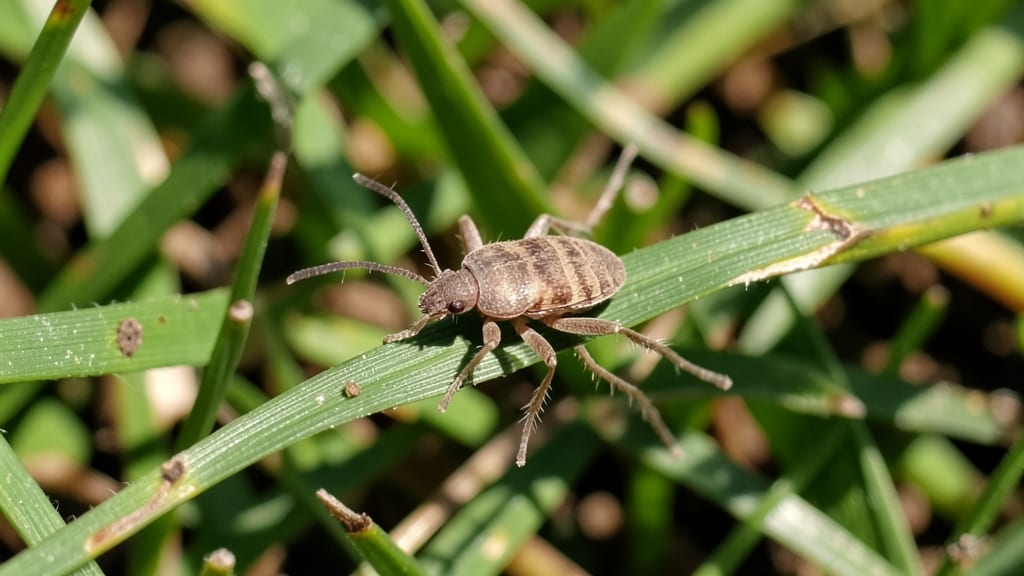
Finding insects on your grass isn’t just annoying—it can mean a struggling lawn if you don’t act fast. 🌱 I’ve seen grubs turn a lush yard into a skeleton in weeks, but the right approach can reverse the damage before you lose a single blade.
The key is identifying the culprit first: are they chewing leaves, tunneling underground, or just passing through?
The most common offenders—grubs, chinch bugs, and armyworms—each leave distinct clues. Grubs create spongy patches that roll up like carpets, while chinch bugs leave behind yellowed, straw-like grass.
The good news? Natural fixes like nematodes, diatomaceous earth, or even a healthy lawn’s natural defenses can work faster than you think—often within 2-4 weeks of treatment.
You’ll walk away with a plan that restores your grass without harsh chemicals, plus preventive steps to keep pests from moving in again. Think of it as a quick reset: a few targeted actions now mean a thick, green lawn all season long.
Let’s get your yard back in fighting shape.
Whether you’re dealing with a small patch or a full-field infestation, the solutions scale to your needs. The secret? Timing, the right tools, and knowing when to call in reinforcements. Here’s how to tackle it head-on.
Why it happens
Your lush green lawn isn’t just a pretty sight—it’s a five-star resort for insects! Understanding why these tiny guests show up in the first place is the first step to kicking them out for good.
Let’s break down the science behind their lawnside invasions, so you can outsmart them with precision.
🌱 Your Grass Is Their Buffet
Insects don’t just wander onto grass randomly—they’re drawn by the food it provides. Different bugs have different appetites, but most are after one of three things:
- Nectar and sap: Many insects, like aphids or leafhoppers, feed on the sugary liquids in plant stems and leaves. Overwatered or nutrient-rich grass releases more of these sweet treats, signaling bugs to move in. Pro tip: If your lawn feels spongy underfoot, it’s likely overwatered—and that’s an open invitation.
- Roots and organic matter: Grubs (larvae of beetles like Japanese beetles) burrow into soil to munch on grass roots. They’re especially fond of thatch (that spongy layer between soil and grass blades) because it’s packed with decaying plant material—basically, their version of a gourmet meal.
- Weak or stressed plants: Bugs target grass that’s already struggling. Drought, disease, or compacted soil weaken plants, making them easier to digest. Think of it like a buffet where the food is pre-cut for you!
Actionable fix: Mow high (3–4 inches) to shade soil and reduce moisture loss, and aerate compacted areas to improve root health. A healthy lawn is a bug’s worst nightmare!
💧 Moisture Levels: Too Much or Too Little
Insects are opportunists, and water is their highway. Here’s how moisture plays into their lawn takeover:
| Condition | Why Bugs Love It | Common Culprits |
|---|---|---|
| Overwatered grass | Excess moisture creates the perfect breeding ground for fungus and bacteria, which attract insects like fungus gnats and sod webworms. It’s like a wet T-shirt contest for bugs—the dampest lawn wins. | Fungus gnats, sod webworms, cutworms |
| Dry, cracked soil | Drought-stressed grass releases more sugars to survive, luring pests like chinch bugs and armyworms. Plus, dry soil makes it easier for insects to burrow and hide. | Chinch bugs, armyworms, crickets |
| Poor drainage | Standing water in low spots turns your lawn into a bug magnet. Mosquitoes, beetles, and even some ants thrive in soggy conditions. Pro tip: If puddles linger after rain, your lawn is basically a bug water park. | Mosquitoes, beetles, ants |
Actionable fix: Water deeply but infrequently (1–1.5 inches per week), and fix drainage issues with sand or slopes. A well-drained lawn is a bug-free zone!
🌿 Lawn Care Mistakes That Attract Pests
Sometimes, the way you maintain your lawn is what’s keeping the bugs happy. Here’s how common practices can backfire:
- Over-fertilizing: Too much nitrogen (especially fast-release fertilizers) makes grass grow quickly—but it also makes it softer and more digestible for pests like grubs and cutworms. It’s like serving a steak instead of a salad.
- Skipping aeration: Compacted soil suffocates grass roots, making them weak and attractive to pests. Without aeration, insects like chinch bugs can easily pierce the soil to feed.
- Leaving clippings or debris: Grass clippings and thatch pile up into a cozy hideout for insects like sod webworms and earwigs. It’s their version of a hotel with room service.
- Using broad-spectrum pesticides: These kill beneficial insects (like ladybugs and lacewings) that prey on pests. Without natural predators, bugs multiply unchecked—like a high school cafeteria with no monitors.
Actionable fix: Use slow-release, organic fertilizers, aerate annually, and remove thatch buildup. A balanced lawn is a self-defending lawn!
🏡 Your Home’s Role in the Invasion
Your lawn isn’t an island—it’s connected to your home, and pests use that to their advantage. Here’s how your property might be unwittingly hosting an insect party:
- Landscaping borders: Flower beds, mulch, and ground covers near your lawn can harbor pests like Japanese beetles or ants. These insects then migrate to your grass for a bigger feast.
- Pet waste: Dog or cat feces attract flies, beetles, and even roaches. The ammonia in urine can also alter soil pH, making grass more vulnerable to pests.
- Woodpiles or debris: Piles of wood, leaves, or rocks create dark, humid microclimates perfect for earwigs, millipedes, and centipedes. These pests then spread to your grass.
- Lighting at night: Outdoor lights (especially mercury vapor or sodium lights) attract moths, beetles, and other flying insects. Once they land, they often stay—and bring friends.
Actionable fix: Keep mulch and debris at least 2 feet away from your lawn, clean up pet waste promptly, and switch to bug-friendly LED lights (yellow or amber tones repel pests). A well-maintained perimeter is your first line of defense!
Quick Fixes for Grass Pests
Seeing insects on your grass can feel like a losing battle, but with the right strategies, you can reclaim your lawn naturally and effectively. Below are targeted solutions for common culprits—from grubs to ants—along with prevention tips to keep your yard pest-free long-term.
🔥 Grubs: Chewing Through Roots
Grubs are the silent destroyers, munching on grass roots and leaving brown patches behind. Here’s how to tackle them:
🍳 Immediate Removal: Diatomaceous Earth or Nematodes
- Step 1: Water the lawn lightly in the evening to encourage grubs to surface (they’re nocturnal).
- Step 2: Sprinkle food-grade diatomaceous earth (DE) over affected areas. The microscopic particles dehydrate grubs on contact.
- Pro Tip: 💡 Reapply after rain, as moisture washes it away.
- Alternative: Apply beneficial nematodes (Heterorhabditis bacteriophora), microscopic worms that infect and kill grubs naturally. Mix with water and spray in the evening.
👨🍳 Organic Lawn Care Adjustments
- Aerate your lawn in early fall to expose grubs to predators like birds and beetles.
- Reduce synthetic fertilizers, which attract grubs. Opt for compost or organic fertilizer instead.
- Plant grub-resistant grasses like tall fescue or perennial ryegrass in high-risk areas.
🌡️ Prevention for Next Season
- Encourage natural predators: Leave some leaf litter or mulch in borders to attract ground beetles and staphylinid beetles, which eat grubs.
- Mow high (3–4 inches) to strengthen grass roots, making them less appealing to grubs.
🐜 Ants: Marching Across Your Yard
Ants may seem harmless, but they can damage grass, disturb soil, and even invite other pests. Here’s how to evict them:
🔪 Targeted Baits and Barriers
- Use borax or sugar baits:
- Mix 1 part borax + 3 parts sugar + 1 part water in a shallow dish. Place near trails—ants will carry it back to the colony.
- Warning: Keep pets/kids away; borax is toxic if ingested in large amounts.
- Create a natural barrier:
- Sprinkle cinnamon or chalk along ant trails. These disrupt their scent trails and deter them from crossing.
- Diatomaceous earth works here too—sprinkle a thin layer along edges.
🏡 Eliminate Nest Sites
- Locate the nest by following the ant trail to its origin (often under rocks, mulch, or in soil).
- Pour boiling water directly into the nest entrance to kill the queen and workers.
- For fire ants: Use a soapy water spray (1 tbsp dish soap + 1 gallon water) to suffocate them.
✨ Long-Term Deterrents
- Keep grass trimmed—ants prefer tall, unkempt lawns.
- Reduce moisture near foundations or sidewalks with a French drain or by redirecting sprinklers.
- Plant ant-repelling herbs like mint, tansy, or lemongrass near entry points.
🐛 Chafer Beetles: Adults vs. Larvae
These shiny beetles lay eggs that hatch into destructive grubs. Separate solutions for each stage:
🍳 Adult Beetles (Spring/Summer)
- Handpick them at dusk when they’re sluggish (drop in soapy water).
- Use neem oil spray:
- Mix 2 tbsp neem oil + 1 tsp mild soap + 1 gallon water. Spray foliage where adults gather (e.g., trees, shrubs).
- Reapply every 5–7 days during peak activity.
👨🍳 Larvae (Grubs) (Fall/Winter)
- Apply milky spore powder (Bacillus popilliae), a natural bacteria that targets Japanese beetle grubs (and some chafer grubs). Sprinkle in early fall.
- Encourage birds: Robins and skunks love eating chafer grubs—leave some bare soil spots for them.
🌡️ Prevention Tips
- Reduce broadleaf weeds (like dandelions), which attract chafer beetles.
- Mulch properly—thick mulch layers can trap moisture, inviting grubs.
🐜 General Grass Pest Prevention
No matter the insect, these habits keep your lawn resilient:
| Action | How It Helps | When to Do It |
|---|---|---|
| Aerate + Overseed | Reduces soil compaction, crowds out pests | Early fall |
| Water Deeply (2x/week) | Encourages deep roots, deters surface-dwelling insects | Morning (avoid evenings) |
| Mow Regularly | Prevents thatch buildup, which hides pests | Weekly, never cut >1/3 of blade |
| Test Soil pH | Grubs thrive in acidic soil (aim for 6.0–7.0) | Spring or fall |
| Rotate Natural Treatments | Avoids resistance (e.g., alternate DE with nematodes) | Seasonally |
With these targeted fixes, you’ll see fewer pests—and healthier grass—in just a few weeks. The key is acting fast and combining removal with smart lawn care to break the cycle for good. 🌱
Frequently asked questions
What are the most common insects found on grass?
The usual suspects include grubs (beetle larvae), chinch bugs, armyworms, ants, chafer beetles, and fungus gnats. Each leaves distinct damage: grubs create spongy patches, while chinch bugs turn grass yellow and straw-like. Armyworms chew through blades, leaving irregular brown patches.
How do I tell if insects are harming my lawn?
Look for these red flags: spongy grass (grubs), yellow patches (chinch bugs), chewed blades (armyworms), or ant trails. Dig up a small section—if you see white larvae or tiny bugs, you’ve got a problem. Early action prevents permanent damage.
Are natural remedies safe for pets and kids?
Most organic solutions like diatomaceous earth or neem oil are pet-safe once settled, but keep pets away during application. Avoid borax or chemical pesticides—these can harm animals. Always opt for food-grade products and follow label instructions carefully.
When is the best time to treat grass insects?
Timing matters! Treat grubs in late summer/early fall when they’re most active, chinch bugs in late spring, and armyworms in early summer. For ants, act immediately when you spot trails. Cool evenings are ideal for applying natural treatments like nematodes.
Will overwatering make insect problems worse?
Overwatering creates the perfect breeding ground for fungus gnats, sod webworms, and grubs. Water deeply but 2-3 times per week (1-1.5 inches total) instead of daily light sprinkles. Improve drainage by aerating compacted soil or adding sand to low spots.