
Lawn
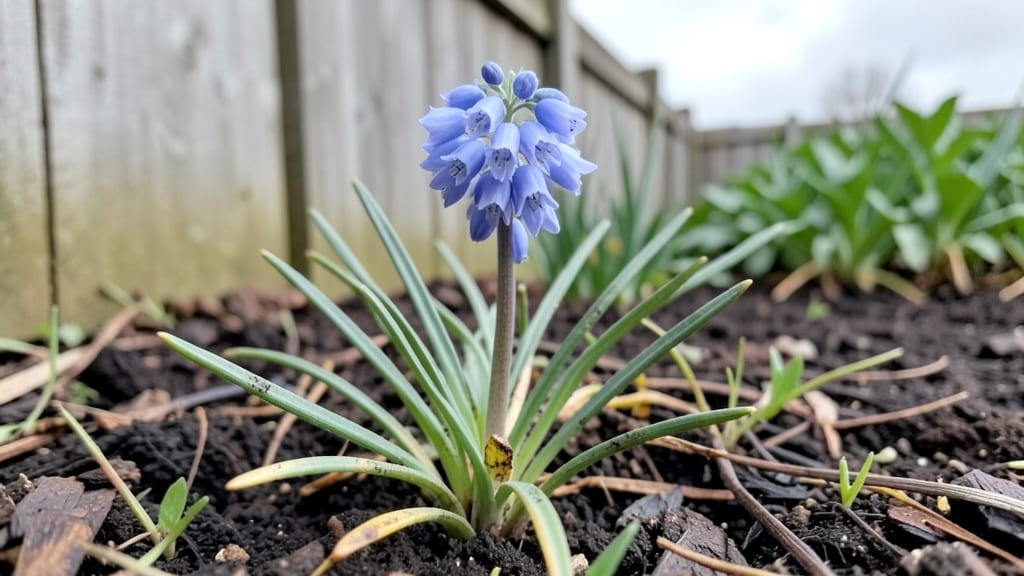
Those tiny white flowers in grass might look pretty, but they’re often unwelcome guests in your lawn—whether it’s clover, wild garlic, or chickweed. I used to think they were harmless, until they outcompeted my grass and made mowing a mess.
The good news? You can manage them without harsh chemicals or endless pulling.
First, identify what you’re dealing with—some "weeds" like clover actually improve soil while others, like chickweed, spread aggressively. A simple finger test (press down on the grass) reveals thin spots where they’ll take over.
Organic options like corn gluten meal in early spring or a thick layer of mulch can suppress them naturally, while spot-treating with vinegar works for stubborn patches.
By late summer, you’ll notice fewer blooms and denser grass filling in. The key is consistency—tackle them early, before seeds spread. Even stubborn patches weaken over time with the right approach, leaving you with a lawn that stays green and weed-free.
Works for both sunny lawns and shady patches, and the methods scale from small yards to large ones. Let’s get that grass back in control without the guesswork.
Why it happens
Those delicate tiny white flowers popping up in your grass might seem like a mystery, but they’re actually a fascinating mix of natural processes, seasonal shifts, and even your lawn’s hidden resilience.
Understanding why they appear helps you decide whether to embrace them or manage them—without resorting to harsh chemicals. Let’s break down the science behind these seasonal surprises.
###
🌱 Seasonal Lawn Wildflowers Take Over
Many "tiny white flowers" in grass are actually native wildflowers or clover that thrive when lawn care loosens its grip. These plants are often dormant in summer but burst into bloom in spring and fall when temperatures dip and moisture returns. Why?
- Cooler weather triggers blooming: Wildflowers like white Dutch clover or creeping charlie rely on temperature cues. When nights stay mild (50–65°F) and days warm up, their flowers open to attract pollinators.
- Less competition from grass: If your lawn is thin or stressed (from drought, foot traffic, or poor soil), wildflowers seize the opportunity. They’re hardier than turfgrass and can outcompete weak patches.
- Natural pollinator magnets: These flowers aren’t weeds—they’re ecosystem helpers, providing nectar for bees and butterflies. Many homeowners intentionally reduce mowing to encourage them!
Actionable tip: If you love the look, mow higher (3–4 inches) in late summer to shade out weeds and let wildflowers thrive. For a cleaner look, overseed bare spots in early fall to crowd them out.
###
💧 Overwatering or Poor Drainage Creates Blooms
Too much of a good thing—like water—can turn your lawn into a wildflower buffet. When soil stays overly moist (or waterlogged), certain plants like white buttercup or ground ivy (Glechoma hederacea) flourish. Here’s why:
- Weeds exploit soggy soil: Turfgrass roots struggle in compacted or waterlogged soil, while shallow-rooted wildflowers thrive. Their seeds lie dormant until excess moisture wakes them up.
- Fungal hitchhikers: Damp conditions also encourage lawn fungi (like snow mold), which can stress grass and leave gaps for wildflowers to invade.
- Nutrient runoff: Overwatering washes away nitrogen, making grass nutrient-deficient and more vulnerable to invasive species.
Fix it:
- Test your soil’s drainage—dig a 12-inch hole and fill it with water. If it drains in <1 hour, you’re fine; if it pools, amend with compost or sand.
- Water deeply but infrequently (1–1.5 inches per week) to encourage deep grass roots.
- For stubborn blooms, spot-treat with vinegar (20% acetic acid) or a corn gluten meal pre-emergent in early spring.
###
🌿 Thin Grass Invites Unwanted Guests
When your lawn is sparse or patchy, it’s like rolling out the welcome mat for wildflowers. Thin grass leaves bare soil, which warms up faster in spring—perfect for seeds to germinate. Common culprits include:
- Dormant or dead grass: Areas hit by grubs, drought, or disease create gaps. Wildflowers like chickweed or dandelions (yes, they’re technically flowers!) fill these voids quickly.
- Shade stress: Grass struggles under trees, while shade-tolerant wildflowers (like wood sorrel) thrive in the dappled light.
- Poor seeding or overseeding failures: If you’ve had uneven germination or used low-quality seed, thin spots become prime real estate for invaders.
Rebuild your lawn:
- Core aerate in fall to loosen soil and help grass roots access nutrients.
- Overseed with a dense, shade-tolerant mix (like fine fescue) in September for best results.
- Fertilize lightly (use a slow-release, organic option) to strengthen grass without encouraging weeds.
###
🌍 Climate and Microclimates Play a Role
Not all lawns are created equal—and neither are their microclimates. Tiny white flowers often appear because your yard’s local conditions favor them over grass. Key factors:
- Sun exposure: South-facing lawns stay warmer and drier, while north-facing areas stay cooler and wetter. Wildflowers like white yarrow love sunny spots, while ground ivy prefers shade.
- Altitude and region: In mountainous areas, wildflowers bloom earlier due to cooler temps. Coastal regions with high humidity may see more moss-like flowers.
- Soil pH: Acidic soil (pH <5.5) discourages grass but lets clover or moss dominate. Test your soil—if it’s off, amend with lime (to raise pH) or sulfur (to lower it).
Work with your climate:
- Map your lawn’s sun/shade patterns and adjust mowing heights (taller grass in shade, shorter in sun).
- Choose native grasses that match your region—they’re hardier and outcompete wildflowers naturally.
- Embrace a wildflower meadow border if you love the look—it’s a low-maintenance way to reduce mowing in problem areas.
How to solve it
Discovering those delicate tiny white flowers in grass can be a pleasant surprise—until you realize they’re not the lush lawn you envisioned. Whether they’re wildflowers, weeds, or even grass itself blooming, the good news is most issues are easy to manage with the right approach.
Below, we’ve broken down practical solutions tailored to the most common causes, so you can reclaim your yard without breaking a sweat.
###
🌱 If It’s Wildflowers or Clover
Wildflowers and clover might seem harmless, but they can outcompete your grass if left unchecked. Here’s how to handle them:
- 🔥 Mow higher: Set your lawnmower to 3–4 inches. Taller grass shades out weeds, giving your grass a fighting chance. Pro tip: Never cut more than ⅓ of the grass blade at once—this prevents stress and encourages deeper roots.
- 🍳 Spot-treat with vinegar: For stubborn patches, mix 1 gallon of white vinegar, 1 cup dish soap, and 1 cup salt in a spray bottle. Target the flowers directly (avoid healthy grass). Reapply every 3–5 days until they fade. ✨ Warning: Test a small area first—vinegar can kill grass if overused.
- 👨🍳 Re-seed bare spots: Pull weeds by hand (use gloves!) and fill gaps with high-quality grass seed matched to your climate. Water lightly daily for 2 weeks to help seeds germinate.
Prevention: Overseed your lawn in early fall when grass recovers fastest. A thick lawn leaves little room for weeds to take hold.
###
🌿 If Your Grass Is Blooming
Some grass varieties (like orchardgrass or ryegrass) naturally produce seed heads or tiny white flowers. This isn’t a problem—it’s just their lifecycle! But if you dislike the look:
- ⏰ Time your mowing: Mow before the flowers appear (late spring for cool-season grasses, early summer for warm-season). Use a sharp mower blade to avoid tearing grass.
- 🔪 Adjust fertilizer: Over-fertilizing can stress grass, triggering blooming. Switch to a slow-release, low-nitrogen fertilizer (like 16-4-8) in early spring and fall.
- 🌡️ Water deeply but less often: Aim for 1–1.5 inches per week, including rainfall. Shallow watering encourages weak roots and seed production.
Prevention: Choose low-maintenance grass types like Kentucky bluegrass or fine fescue, which bloom less aggressively. If your lawn is already established, aerate in fall to improve root health.
###
🚫 If It’s a Nuisance Weed (Like Chickweed or Dandelions)
Some tiny white-flowered weeds (like chickweed) thrive in compacted or moist soil. Here’s how to evict them:
| Problem | Solution |
|---|---|
| Compacted soil | Rent a core aerator or use a garden fork to poke holes in the lawn. Top with compost and water well. |
| Moisture-loving weeds | Improve drainage by adding sand or organic matter to low spots. Redirect sprinklers to avoid soggy patches. |
| Persistent weeds | Apply a pre-emergent herbicide in early spring (follow label instructions). For post-emergent, use a selective herbicide like 2,4-D (spot-treat only). |
Prevention: Mulch heavily around garden edges to block weed seeds. Pull weeds by the root before they set seed—this stops regrowth.
###
🌟 When to Embrace the Blooms
Not all tiny white flowers are bad! If you love the look of wildflowers or clover:
- ✨ Let them grow: Wildflowers support pollinators and reduce watering needs. Mow around the edges to keep them contained.
- 🎯 Create a pollinator patch: Dedicate a small lawn section to native wildflowers. Use a mulching mower to recycle clippings into natural fertilizer.
- 💡 Use them as ground cover: Mix clover with grass seed—clover fixes nitrogen in the soil, making your lawn greener with less fertilizer.
Remember: A lawn doesn’t have to be perfect to be beautiful. With these fixes, you can strike the balance between curb appeal and low-maintenance charm.
Frequently asked questions
Are tiny white flowers in grass always weeds?
Not necessarily! Many are beneficial wildflowers like clover or chickweed that improve soil health and attract pollinators. Only problematic ones (like creeping charlie) should be managed. Always check before treating—some "weeds" enhance lawn ecosystems.
How do I tell if my grass is blooming naturally or invaded?
Natural grass blooms appear uniformly across the lawn, while weeds cluster in thin spots. Run your hand over the area—if you feel bare patches, you likely have invaders. Grass blooms also match your lawn type (e.g., Kentucky bluegrass flowers in spring).
What's the fastest way to remove stubborn white-flowered weeds?
For immediate results, spot-treat with a vinegar solution (1 gallon vinegar + 1 cup dish soap), applied directly to leaves. Reapply every 3-5 days until gone. For long-term control, aerate the lawn in fall to prevent regrowth.
Can I mow over tiny white flowers to eliminate them?
Mowing alone won't kill established weeds, but setting your mower to 3-4 inches shades out new growth. For best results, combine with overseeding or pre-emergent herbicide in early spring. Regular mowing prevents seed spread but won't eradicate roots.
Are there any white flowers that actually help my lawn?
White clover improves soil nitrogen and drought resistance, while wildflowers like white yarrow attract beneficial insects. Leave these in sunny areas—they reduce watering needs and create pollinator habitats without harming grass.