
Landscaping
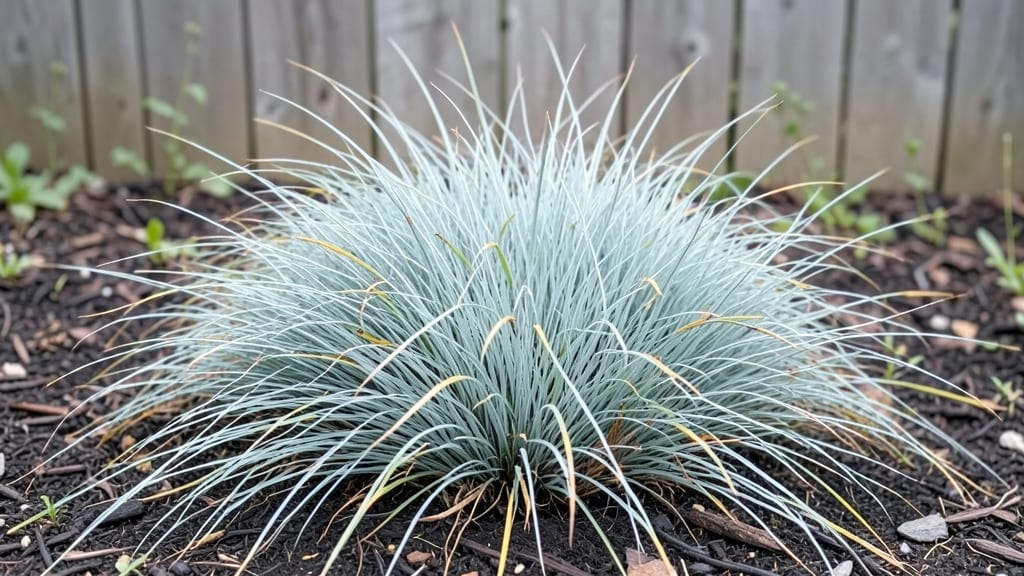
Growing Mexican Feather Grass 🌿 is the easiest way to add texture and movement to your yard without the fuss of a traditional lawn.
Tired of high-maintenance lawns that wilt under the sun? This drought-resistant beauty thrives on neglect, flaunting silvery-blue plumes that sway in the breeze—perfect for modern, low-water landscapes.
With just 6 hours of sunlight and minimal watering, it’s ideal for USDA Zone 6a and beyond. Plant it in late spring, and watch it transform your garden into a year-round showstopper.
Below, I’ll cover everything from planting tips to pruning secrets so your Mexican Feather Grass stays lush and effortless all season long.
Why Mexican fether grass thrives in drought and poor soil conditions
If you’ve ever struggled to keep plants alive in hot, dry climates or nutrient-poor soil, Mexican feather grass (Nassella tenuissima) might just be your new favorite. This ornamental grass is a drought-resistant superstar, thriving where many plants would wither.
Its secret? A combination of deep root systems, silvery-blue foliage that reflects sunlight, and an ability to survive on minimal water—once established.
Native to arid regions of Mexico, this grass has adapted to thrive in USDA zones 6-10, making it perfect for desert landscapes, rock gardens, or even as a low-maintenance ground cover.
Unlike thirsty lawns, it doesn’t need frequent watering, making it a water-saving hero for eco-conscious gardeners. Let’s explore why this grass is so resilient and how you can grow it with ease.
🌱
| Factor | Mexican Feather Grass | Comparison Plant: Kentucky Bluegrass |
|---|---|---|
| Water Needs | Drought-tolerant; 1 inch every 2-3 weeks once established | High; 1-1.5 inches per week; requires frequent watering |
| Soil Type | Adapts to sandy, rocky, or clay soil; tolerates poor drainage | Prefers rich, well-draining loam; struggles in compacted or poor soil |
| Sunlight Needs | Full sun (6+ hours/day); tolerates partial shade | Needs full sun to partial shade; weakens in deep shade |
| Maintenance Level | Low; minimal pruning; no fertilizing needed | High; frequent mowing, fertilizing, and pest control |
| Drought Tolerance | Excellent; survives prolonged dry spells | Poor; browns quickly without consistent water |
| Growth Rate | Slow to moderate; reaches 3-5 feet tall in 2-3 years | Fast; reaches 2-4 feet tall in 1 season |
| Best Uses | Ornamental borders, xeriscaping, erosion control, containers | Lawns, sports fields, high-traffic areas |
One of the biggest reasons Mexican feather grass thrives in drought conditions is its deep, fibrous root system. Unlike shallow-rooted grasses, it can access water deep underground, making it far more resilient during dry spells.
This trait also makes it an excellent choice for xeriscaping—a landscaping method that reduces or eliminates irrigation needs.
This grass also excels in poor soil conditions because it doesn’t rely on rich nutrients to survive. While it will grow faster in well-draining soil, it can adapt to sandy, rocky, or even slightly salty soil.
If your garden has clay-heavy or nutrient-deficient soil, Mexican feather grass won’t just survive—it will thrive with minimal fuss.
For optimal growth, plant it in areas with full sun exposure (6+ hours/day). While it can tolerate partial shade, its silvery-blue plumes will be most vibrant when basking in direct sunlight.
In USDA zones 6-10, it’s hardy enough to handle hot summers and cold winters, though it may turn brown in freezing temperatures before bouncing back in spring.
Unlike traditional lawns, Mexican feather grass doesn’t need fertilizers or frequent mowing. A light trim in late winter or early spring to remove dead foliage is often all it needs to stay lush and healthy. This makes it a zero-effort ornamental that still delivers stunning visual appeal year-round.
If you’re looking to save water and reduce maintenance without sacrificing beauty, Mexican feather grass is the perfect solution. Its natural resilience and adaptability make it a standout choice for modern, sustainable landscapes.
Plus, its airy plumes add texture and movement to gardens, making it a favorite among designers and homeowners alike.
🌿
Step-by-step guide to planting and maintaining Mexican fether grass
Planting Mexican Feather Grass is simpler than you think—no green thumb required! Whether you’re starting from seeds or dividing clumps, this guide ensures your grass thrives with minimal water and year-round beauty.
I’ll walk you through every step, from soil prep to seasonal pruning, so your garden stays lush without the hassle.
This ornamental grass loves full sun and well-draining soil, making it perfect for drought-prone areas. Once established, it needs almost no maintenance—just a little love in the early stages to get those silvery-blue plumes swaying.
Let’s dive into the easy steps to make your Mexican Feather Grass the star of your landscape.
Start with clumps (easiest) or seeds (slower). Clumps establish faster, while seeds take 2-3 months to sprout. Buy from nurseries or divide mature clumps in spring.
Test for well-draining soil—amend with sand or compost if heavy. Avoid soggy spots; Mexican Feather Grass hates wet feet. Dig holes twice as wide as the clump’s root ball.
After the last frost (May 15 in USDA Zone 6a), plant clumps 12-18 inches apart. For seeds, scatter lightly and press into soil. Water deeply but infrequently to encourage roots.
New plants need weekly watering; established grass thrives on every 10-14 days. Water at morning to prevent fungal risks. Overwatering is the #1 killer—let soil dry between waterings.
Use a 5-10-10 balanced fertilizer in early spring (1 tbsp/plant). Skip summer feeding—this grass is low-maintenance! Mulch with gravel to retain moisture and deter weeds.
Cut back dead plumes in late winter (before new growth). Use clean shears to trim 1/3 of the plant. Avoid heavy pruning—this grass grows 4-6 feet tall and thrives on its airy form.
Spring: Light feed + water. Summer: Reduce watering. Fall: Trim dead growth. Winter: Leave plumes for winter interest—this grass stays drought-resistant year-round!
With these steps, your Mexican Feather Grass will grow into a low-maintenance showstopper. The key? Less is more—this grass loves neglect almost as much as it loves sun. Watch those silvery plumes dance in your garden all year!
Pro tip: Group plants in odd-numbered clusters (3, 5, or 7) for a natural, fuller look. Pair with succulents or lavender for a Mediterranean vibe that’s easy on water and high on style.