
Plants
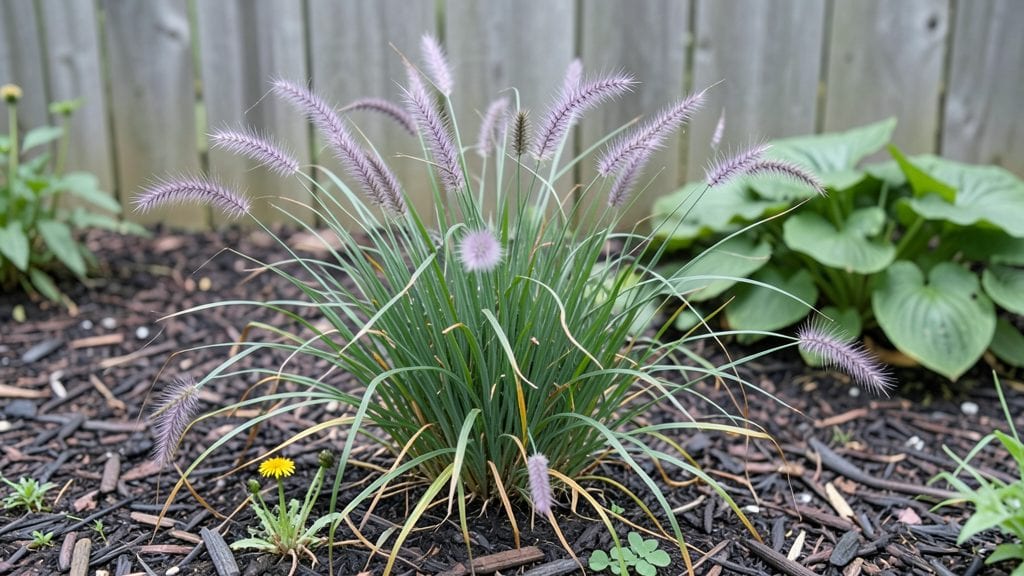
Growing purple feather grass 🌿 adds a bold, low-maintenance pop of color that stays stunning through every season—no deadheading or fuss required.
Imagine a landscape that looks vibrant in winter, thrives on neglect, and needs almost no care once planted. That’s the magic of this ornamental grass, which turns heads with its feathery purple plumes and compact size—perfect for borders, containers, or even as a standalone statement.
In USDA Zone 6a, the best time to plant is between March and April, after the last frost. With just 6+ hours of sun and well-draining soil, it grows into a 3-foot beauty that outshines many other grasses, even in harsh climates.
Below, I’ll walk you through the exact steps to plant, care for, and style this drought-tolerant superstar—so you can enjoy its year-round texture with minimal effort.
Why purple feather grass stands out: growth habits, colors & year-round appeal
Purple feather grass (Pennisetum alopecuroides) earns its place in gardens with its striking purple-pink foliage that shifts beautifully with the seasons. Unlike many ornamental grasses that fade in winter, this variety maintains textural interest year-round, making it a standout for modern landscapes. Its compact, clumping habit (reaching 2–3 feet tall) creates clean, structured lines without spreading aggressively.
The secret to its vibrant color lies in its anthocyanin pigments, which intensify in cooler weather. While many grasses turn brown or dormant in winter, purple feather grass often retains soft lavender or green hues, especially in milder climates.
This cold-hardy adaptability (USDA zones 5–9) gives it an edge over tropical grasses like fountain grass (Pennisetum alopecuroides 'Hameln').
What truly sets it apart is its versatile foliage: new growth emerges in bright green, maturing to deep purple-pink by summer, then softening to silvery lavender in fall. This color transformation provides seasonal visual drama with minimal effort.
Even in drought conditions, it holds its shape better than many ornamental grasses, thanks to its deep root system and drought tolerance.
Unlike spreading grasses like maiden grass (Miscanthus sinensis), purple feather grass grows in neat clumps, making it ideal for containers, borders, or mass plantings.
Its fine, arching blades add movement and texture, while its airy plumes (if allowed to flower) create a whimsical, feather-like effect—hence the name. This makes it perfect for modern, cottage, or Zen gardens alike.
In cold climates, purple feather grass outperforms many competitors by retaining its structure through winter. While grasses like switchgrass (Panicum virgatum) may flop or brown, purple feather grass often stands tall with a frosted look, offering winter interest when few other plants do.
Its low-maintenance nature (no dividing required for years) and pest resistance further solidify its reputation as a garden workhorse.
Here’s how it compares to other popular ornamental grasses in key categories:
For seasonal interest, purple feather grass delivers four distinct looks:
- Spring: Bright green shoots emerge, creating a fresh, lively contrast against winter-brown gardens.
- Summer: Deep purple-pink blades dominate, adding bold color to borders or containers.
- Fall: Blades soften to lavender or silver, blending seamlessly with autumn foliage.
- Winter: Frosted or tan tones remain upright, providing structure when other plants collapse.
Its compact size (typically 2–3 feet tall and wide) makes it ideal for small spaces, unlike tall grasses like switchgrass (Panicum virgatum), which can reach 6 feet. This scalability lets you use it in containers, window boxes, or as a low hedge.
Plus, its non-invasive roots mean no need for aggressive division—unlike running grasses like liriope (Liriope muscari).
In modern landscapes, purple feather grass excels as a textural anchor. Pair it with silver foliage (like lamb’s ear Stachys byzantina) for contrast, or combine it with purple blooms (such as catmint or salvia) to amplify its color impact.
Its fine texture also softens harsh lines in contemporary designs, making it a versatile neutral that works with any palette.
Even in urban environments, this grass thrives in potted displays or raised beds, where its drought tolerance and low fertilizer needs reduce maintenance. Unlike water-loving
Best planting & care tips for thriving purple feather grass in any garden
To grow purple feather grass that stays vibrant year-round, start with the right conditions. This grass thrives in full sun (6+ hours daily) and well-draining soil, making it perfect for modern landscapes.
Unlike fussy annuals, it handles drought once established, but proper planting sets the stage for its signature feathery plumes.
I’ve planted purple feather grass in everything from containers to garden borders, and the key to its success lies in three critical factors: sunlight, soil prep, and watering consistency. Skipping any of these steps can lead to pale foliage or stunted growth—so let’s dive into the exact methods that work.
⚠️ Avoid These Planting Mistakes
Planting purple feather grass in shady spots or waterlogged soil will dull its color and weaken its structure. Overwatering in winter can also rot the crown, while under-watering in summer causes browning tips. Test soil drainage before planting—amend with perlite or sand if needed.
For soil preparation, mix in a 2-inch layer of compost to boost nutrients without compacting the roots. Purple feather grass prefers slightly acidic to neutral soil (pH 6.0-7.0), so test your soil and adjust with lime or sulfur if necessary.
A mulch layer (2-3 inches of shredded bark) helps retain moisture while suppressing weeds.
Watering is where many gardeners go wrong. New plants need deep watering 2-3 times per week until established, but once rooted, reduce to once weekly in summer. Always water at the base (not overhead) to prevent fungal issues.
In winter, cut back to monthly watering unless your region experiences freezing temperatures—then let the soil dry slightly between waterings.
Pruning keeps your purple feather grass looking sharp. In late winter or early spring, cut back dead foliage to 2-3 inches above the ground. Avoid heavy pruning in fall, as the old stems provide winter interest. For container-grown plants, trim lightly after flowering to encourage bushier growth.
Fertilizing is optional but can enhance color. Use a balanced 10-10-10 fertilizer in early spring and again in midsummer, applying just 1 tablespoon per plant. Skip fall fertilization—this grass stores energy for winter naturally.
If you notice pale or leggy growth, it’s a sign to feed lightly or improve sunlight exposure.
With these care tips, your purple feather grass will reward you with vibrant plumes and year-round texture. The best part? It’s nearly maintenance-free once established—just enjoy the drama it brings to your garden! 🌿