
Pests and Diseases
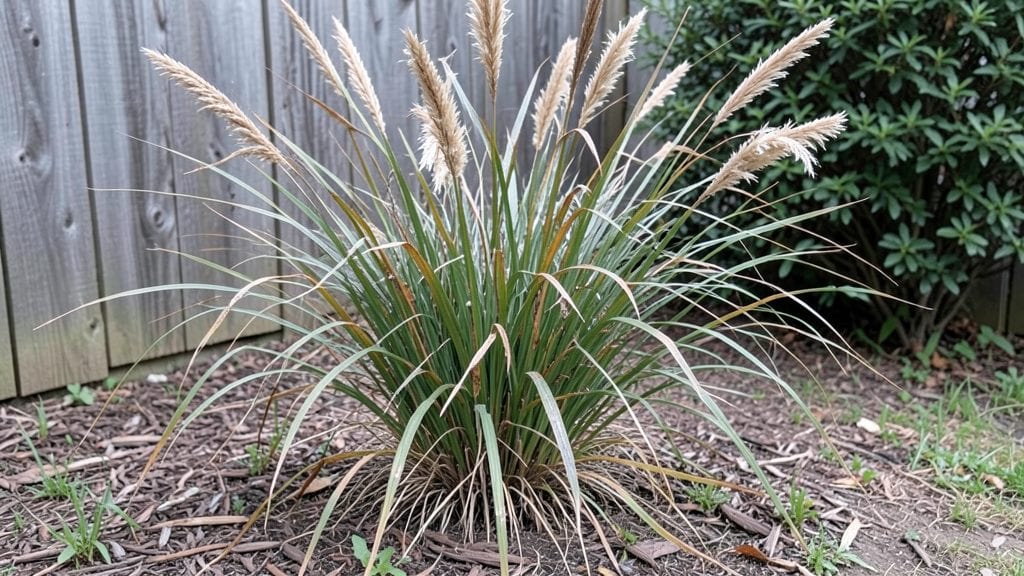
That dead fountain grass sprawling across your yard could still be saved—here’s how to revive its once-lush, ornamental beauty. That brown, crispy mess isn’t a lost cause—it’s a quick-fix waiting to happen.
I’ve nursed back more fountain grass than I’d like to admit, and the secret isn’t complicated: it’s about diagnosing the real problem first. Overwatering, grubs munching underground, or even fungal infections can turn your grass into a crunchy mess, but each has a targeted solution.
The good news? Most fountain grass comes back with the right care—sometimes in as little as 2-3 weeks. Start by pulling back the dead fronds to check for grubs or rot. If the roots smell sour or look mushy, you’ve got overwatering or disease to tackle.
If they’re dry and brittle, it’s time to adjust your watering schedule. Either way, you’ll have a plan before you even hit the nursery.
By the end of this, your fountain grass will be bouncing back with fresh green growth, not just surviving but thriving. The key is acting fast—once you identify the issue, the fixes are straightforward.
Think of it as a reset button for your yard’s centerpiece. Let’s get those roots hydrated and healthy again.
This works for all fountain grass varieties, whether you’ve got ‘Dwarf’ or the classic ‘Gulf Stream’ type. The same principles apply—just adjust the scale. Once you’ve revived yours, you’ll know exactly how to keep it lush all season long.
Why it happens
When your once-lush fountain grass turns brown and crispy, it’s usually a cry for help from the plant itself. Understanding the underlying causes is the first step to bringing it back to life.
Below, we break down the most common reasons why ornamental grasses—like fountain grass (Pennisetum alopecuroides)—can suffer from sudden decline, often leading to dead patches. Each cause has a distinct signature, and recognizing it early can save your grass from permanent damage.
###
🌱 Overwatering or Poor Drainage
Fountain grass thrives in well-draining soil, and when it’s smothered in excess moisture, its roots suffocate. Overwatering creates anaerobic conditions in the soil, starving roots of oxygen and inviting fungal diseases like Pythium or Fusarium.
These pathogens attack weakened roots, turning the grass brown and mushy at the base.
- Signs: Yellowing or grayish-brown patches, especially in low-lying areas or after heavy rain.
- Why it happens:
- Compacted or clay-heavy soil holds water like a sponge.
- Overzealous watering (e.g., daily irrigation or poor drainage systems).
- Container-grown grasses left in saucers without drainage holes.
- Actionable fix: Amend soil with compost or perlite to improve aeration. Water only when the top 1–2 inches of soil are dry, and ensure containers have drainage.
###
☀️ Underwatering or Drought Stress
While too much water is deadly, chronic dehydration is just as damaging. Fountain grass is drought-tolerant but not drought-proof—prolonged dry spells cause the blades to desiccate, turning crispy and straw-like. The plant prioritizes root survival over foliage, so leaves are the first to suffer.
- Signs: Uniform brown or tan color, brittle leaves that crumble when touched, and soil pulling away from pot edges (in container plants).
- Why it happens:
- Infrequent watering, especially during hot, windy, or low-humidity periods.
- Shallow root systems in young plants or those recently transplanted.
- Ignoring mulch, which helps retain soil moisture.
- Actionable fix: Water deeply 1–2 times per week (more in extreme heat) until water runs out the drainage holes. Use mulch (2–3 inches) to lock in moisture and protect roots.
###
🍄 Fungal Infections and Root Rot
Fungal pathogens like Rhizoctonia or Phytophthora thrive in moist, warm conditions, attacking grass roots and cutting off nutrient flow. Root rot is often a secondary issue—triggered by overwatering, poor drainage, or physical damage to roots.
The fungus spreads rapidly, turning roots black and mushy while the above-ground foliage wilts and dies.
- Signs:
- Dark, foul-smelling soil when roots are disturbed.
- Grass pulls easily from the ground (no resistance).
- Brown patches that spread quickly, even with proper watering.
- Why it happens:
- Consistent soggy soil (e.g., after prolonged rain or poor drainage).
- Planting in low-lying areas where water pools.
- Using contaminated soil or tools that spread spores.
- Actionable fix:
- Remove and discard infected plants (do not compost).
- Improve drainage with sand or gravel amendments.
- Apply fungicide (copper-based or systemic like propiconazole) as a preventive measure.
###
❄️ Cold Damage or Winter Burn
Fountain grass is hardy in USDA zones 5–11, but extreme cold (below 10°F/-12°C) or winter desiccation can kill foliage. Cold damage often looks like freeze burn: leaves turn brown and brittle but remain attached.
In contrast, winter kill affects the crown (base of the plant), causing it to die back completely.
- Signs:
- Brown, papery leaves in late winter or early spring.
- No new growth by early spring (sign of crown damage).
- Healthy roots when checked (if only foliage is dead).
- Why it happens:
- Sudden temperature drops or windburn in exposed areas.
- Lack of mulch or winter protection (e.g., burlap wraps for young plants).
- Planting in microclimates prone to cold pockets (e.g., near north-facing walls).
- Actionable fix:
- For foliage damage: Wait until spring—new growth will emerge from healthy roots.
- For crown damage: Dig up the plant, trim dead tissue, and replant in a warmer microclimate with added mulch.
- Protect young plants with burlap or frost cloth in fall/winter.
###
🐜 Pest Infestations and Physical Damage
While less common than environmental stressors, pests and mechanical damage can weaken fountain grass enough to kill it. Grubs, chinch bugs, and even deer or rabbits can strip away foliage or gnaw on roots, leaving the plant vulnerable to secondary infections.
- Signs:
- Holes in leaves or chewed stems.
- Yellowing patches with tiny black insects (chinches) or white grubs in soil.
- Uneven browning, often in specific areas (e.g., garden edges).
- Why it happens:
- Grubs (larvae of beetles) feed on roots, causing wilting.
- Chinch bugs pierce stems to suck sap, leading to brown patches.
- Deer or rabbits browse young shoots in late winter/early spring.
- Actionable fix:
- Apply neem oil or insecticidal soap for soft-bodied pests.
- Use grub control (beneficial nematodes or imidacloprid) for root feeders.
- Install physical barriers (fencing or chicken wire) to deter wildlife.
###
🌡️ Nutrient Deficiencies or Soil Issues
Fountain grass is low-maintenance but
Revive Your Dying Ornamental Grass
If your once-lush fountain grass has turned brown and brittle, don’t panic—there’s still hope! The key to revival lies in identifying the root cause (literally and figuratively) and applying the right fix.
Below, we’ve mapped out practical solutions tailored to the most common culprits behind dead-looking ornamental grass. Follow these steps to nurse your plants back to health—and keep them thriving long-term.
🔥 Overwatering or Poor Drainage: Drowning in Misery
When fountain grass sits in soggy soil, roots suffocate, leading to yellowing or brown patches. Fix it fast:
- 🌱 Test the soil: Stick your finger 2 inches deep—if it’s damp, hold off on watering. Fountain grass prefers moist but well-drained soil, not a swamp.
- 🔪 Improve drainage: Amend heavy clay soil with compost or perlite (mix 1 part amendment to 3 parts soil). For containers, ensure pots have drainage holes.
- ⏰ Adjust watering: Water deeply 1–2 times per week (depending on climate), then let the top 1–2 inches of soil dry out before repeating.
💡 Pro Tip: If your grass is already struggling, trim back the dead fronds to encourage new growth. Avoid cutting more than one-third of the plant at once.
☀️ Underwatering or Heat Stress: Parched and Crispy
Fountain grass wilts or turns brown when it’s thirsty or baked by the sun. Here’s how to quench its thirst:
- 💦 Water deeply: Soak the root zone (6–12 inches down) until water runs out the bottom. Use a soaker hose or drip irrigation to avoid runoff.
- 🌿 Mulch like a pro: Spread 2–3 inches of mulch (wood chips or straw) around the base to retain moisture and protect roots from heat.
- 🌡️ Shade relief: If your grass is in a scorching spot, provide afternoon shade (use shade cloth or plant near taller shrubs). Most fountain grass tolerates full sun but may need a break in extreme heat (above 90°F).
✨ Prevention: Water early in the morning to reduce evaporation and fungal risks. Avoid evening watering, which can promote disease.
🐜 Pest Invasion: Hidden Munchers at Work
Grubs, chinch bugs, or spider mites can turn your grass into a crunchy snack. Spot the signs: Chewed fronds, sticky residue (aphids), or tiny webs (spider mites).
- 🔍 Inspect closely: Dig up a small section of soil to check for white grubs or tiny black bugs. Flip over fronds to spot mites.
- 💦 Blast them away: For grubs/chinch bugs, apply neem oil or insecticidal soap (follow label rates). For mites, spray with water to knock them off, then treat with horticultural oil.
- 🌱 Encourage predators: Ladybugs and birds love to eat pests—plant marigolds or dill nearby to attract them.
🎯 Long-Term Fix: Improve soil health with compost to make plants less appealing to pests. Avoid over-fertilizing, which attracts bugs.
🌱 Nutrient Deficiency: Starving for Love
Yellowing or stunted growth often means your fountain grass is hungry for nitrogen, iron, or potassium. Feed it right:
- 📊 Test your soil: A $20 soil test kit (from garden centers) reveals deficiencies. Common fixes:
- Yellow leaves? → Add iron supplement (like chelated iron) or compost.
- Purple stems? → Boost phosphorus with bone meal.
- Weak growth? → Use a balanced fertilizer (10-10-10) in spring.
- 🍄 Avoid overdoing it: Too much fertilizer burns roots. Less is more—follow package instructions.
💡 Pro Tip: Fish emulsion or worm castings are gentle, organic options for a nutrient boost.
❄️ Cold Damage or Winter Burn: Frozen Fronds
Fountain grass can survive winter but may brown if exposed to harsh winds or freezing temps. Revive it with these steps:
- 🔥 Trim the dead: Cut back brown fronds to the ground in early spring (once new growth appears). Avoid cutting into old growth—it’s already dead!
- 🌿 Protect next winter: Wrap young plants in burlap or use a lightweight frost cloth. Mulch heavily (4–6 inches) around the base.
- 🌡️ Wait for warmth: New growth may take 2–4 weeks to emerge. Be patient—don’t fertilize until you see green shoots!
🌱 Prevention: Plant fountain grass in sheltered spots away from north winds. Varieties like ‘Karl Foerster’ are hardier than tropical types.
Most fountain grass recovers quickly once the underlying issue is addressed. Monitor your progress and adjust care as needed—your once-lifeless clumps could be lush and green again in no time! For stubborn cases, consider dividing the plant in spring to refresh its roots.
Frequently asked questions about crispy ornamental grass
Why does my fountain grass turn brown in winter but still grow back?
This is usually cold damage or winter dormancy. Fountain grass often goes dormant in freezing temps, causing leaves to turn brown and brittle. The good news? Healthy roots will sprout fresh growth once temperatures warm above 50°F in spring. Just avoid cutting back until you see new shoots.
How do I tell if my grass is dead or just dormant?
Gently pull back the dead fronds and check the base. If you see green roots or buds, it's dormant. If the crown is black and mushy, it's dead from rot. For dormant grass, wait until spring to trim—cutting too early removes potential regrowth.
Can I save fountain grass that's been brown for months?
Maybe! Dig up a small section to check the roots. If they're firm and white, the plant may still recover with proper care. Trim dead growth, improve drainage, and water deeply 1-2 times weekly. If roots are mushy or missing, the plant is likely beyond saving.
What's the fastest way to revive wilting fountain grass?
Start with a deep watering (soak until water drains out) followed by a mulch layer (2-3 inches) to retain moisture. For severe cases, trim back one-third of dead fronds to reduce stress. Most grass shows improvement within 2-3 weeks of proper care.
Should I fertilize dead-looking fountain grass?
Only if you see new green growth. Fertilizing stressed plants can burn roots. Wait until spring and use a balanced fertilizer (10-10-10) or compost. For nutrient deficiencies, try chelated iron first—it works faster than general fertilizers.