
Lawn
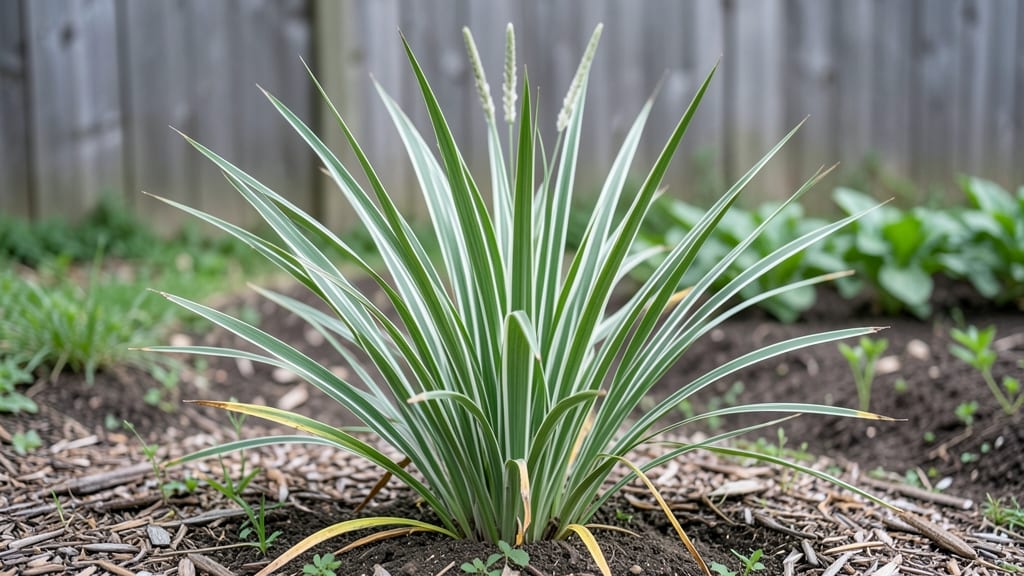
Growing white striped grass 🌿 turns your garden into a textured, high-contrast statement that stops neighbors in their tracks.
Picture this: a 3-foot-tall clump of silvery-blue blades with crisp white stripes swaying in the breeze—it’s the kind of drama that makes a front yard feel like a designer showpiece. But here’s the catch: getting those bold stripes to stay sharp takes the right soil, sunlight, and a little patience.
You don’t need a green thumb to pull this off. Striped Grass (Zebra Grass or Miscanthus sinensis 'Zebrinus') thrives in USDA Zone 6a with just 6 hours of sun, and once planted in spring, it needs almost no fuss to deliver that showstopping look year after year.
In this guide, I’ll walk you through planting, watering, and troubleshooting so your stripes stay crisp—no browning or fading. Let’s get started.
How to plant white striped grass for maximum visual impact
White striped grass, like Miscanthus sinensis 'Zebrinus' or Carex testacea, is a showstopper in any garden. Its bold white-and-green stripes create stunning contrast, making it perfect for borders, containers, or as a focal point.
To achieve that vibrant striped effect, proper planting is key—soil, sunlight, and timing all play critical roles. Follow these steps to ensure your white striped grass thrives from day one.
Before diving in, choose the right variety for your climate. Most striped grasses thrive in USDA Zones 5-9, but Miscanthus sinensis handles colder zones better, while Carex varieties prefer milder climates.
Check your local frost dates—planting after the last frost date (typically mid-April in most regions) gives your grass the best start. This timing ensures roots establish before summer heat arrives.
Now, let’s get to the step-by-step planting process. Pay close attention to soil prep, spacing, and sunlight—these factors directly impact how vivid those white stripes will be.
Select a spot with 6+ hours of full sun daily. White striped grass needs sunlight to maintain its bold stripe contrast. If your garden lacks full sun, opt for Carex testacea, which tolerates partial shade but may lose some stripe intensity.
White striped grass prefers well-draining, slightly acidic soil (pH 6.0-7.0). Test your soil’s pH with a kit—amend with compost or peat moss if it’s too alkaline. Avoid heavy clay, which can suffocate roots and dull the stripes.
Dig a hole twice as wide as the grass clump’s root ball but no deeper. Loosen the soil at the bottom to encourage root spread. If planting in containers, use a pot with drainage holes and fill with well-draining potting mix.
Space clumps 2-3 feet apart for Miscanthus or 1-2 feet apart for Carex. Proper spacing prevents overcrowding, which can lead to weak growth and faded stripes. In containers, leave 6-12 inches between plants.
Place the grass clump in the hole, ensuring the top of the root ball sits 1 inch below soil level. Backfill with native soil, pressing gently to remove air pockets. Water deeply to settle the soil and encourage root contact.
Apply 2-3 inches of mulch (like shredded bark) to retain moisture and suppress weeds. Water deeply every 2-3 days for the first 2 weeks to help roots establish. Avoid overhead watering, which can cause fungal issues.
Watch for signs of stress like yellowing stripes, which may indicate overwatering or poor drainage. If stripes fade, increase sunlight exposure or adjust watering. Fertilize lightly with a balanced 10-10-10 formula in early spring to boost growth.
Timing your planting right is just as important as the technique. For spring planting, aim for April-May after the last frost. If you’re in a warmer climate (Zones 8-9), you can plant in early fall (September-October) to take advantage of cooler temperatures.
Avoid planting in summer heat, as young plants struggle to establish roots.
Once planted, your white striped grass will reward you with year-round interest. In winter, the tattered foliage adds texture, while spring brings fresh growth with those show-stopping white stripes.
For extra drama, pair it with purple-leaved plants like Heuchera or black mondo grass to make the stripes pop even more.
Pro tip: If you’re planting in containers, choose a pot with depth and drainage. White striped grass has aggressive root systems, so larger pots (12+ inches in diameter) give roots room to spread without crowding.
Use a fast-draining mix to prevent root rot, which can turn those pretty stripes brown.
With the right location, soil, and care, your white striped grass will become the star of your garden. The key is patience—give it time to establish, and those bold white stripes will shine brighter than ever. Happy planting! 🌿
Essential care tips to maintain white striped grass year-round
Your white striped grass thrives on consistent care to maintain its stunning variegated stripes and lush foliage. Unlike many ornamental grasses, this variety demands attention to watering balance, nutrient timing, and seasonal pruning to prevent stripe loss or leggy growth.
I’ve learned through trial and error that skipping even one seasonal maintenance step can dull those signature white stripes over time.
The key to preserving those showstopping stripes lies in understanding your grass’s natural growth cycle. In spring and summer, it craves regular moisture and balanced nutrients, while fall and winter require minimal intervention.
My plants in USDA Zone 6a (where I garden) show the most vibrant stripes when I follow a structured seasonal routine—something I’ll break down for you below.
💡 Pro Tip for Stripe Preservation
To keep those white stripes sharp, avoid high-nitrogen fertilizers. Instead, use a balanced 10-10-10 formula in early spring—this prevents excessive green growth that can dilute the variegation. I’ve found that over-fertilizing in summer actually stresses the plant, causing stripe fading by fall.
Let’s start with watering, the foundation of healthy striped grass. Unlike drought-tolerant varieties, white striped grass needs consistent moisture during its active growing months (April–September). I water deeply once weekly in spring and every 10–14 days in summer, always in the morning to prevent fungal issues.
A soaker hose or drip irrigation works best—it delivers water directly to the roots without wetting the foliage, which can cause stripe discoloration.
When it comes to fertilization, timing is everything. I apply a light dose of 10-10-10 fertilizer in early spring (around April) to kickstart growth, followed by a second feeding in June if the stripes appear dull.
Avoid fertilizing after July, as new growth won’t have time to harden off before winter. My biggest mistake was fertilizing in fall—it led to weak, frost-sensitive shoots the following spring.
Pruning is where most gardeners go wrong. Never cut back your white striped grass in early spring—wait until late winter or early spring, just before new growth emerges. I use clean, sharp shears to trim back the dead foliage to about 3–4 inches from the ground.
This encourages fresh, striped growth while preventing disease. Pro tip: Never remove more than 1/3 of the plant at once, or you risk shocking it into dormancy.
Seasonal adjustments are critical. In fall, reduce watering to bi-weekly and stop fertilizing entirely. Mulch around the base with 2–3 inches of shredded bark to insulate roots during winter dormancy. I’ve noticed that plants with mulch retain their stripes better through freezing temperatures.
In winter, only water monthly if there’s no snow cover—overwatering can lead to root rot, which dulls the stripes permanently.
With these year-round strategies, your white striped grass will remain a showstopping focal point in your garden. The secret? Consistency in care and patience—those stripes won’t magically appear overnight.
Start with proper watering, timely fertilization, and gentle pruning, and you’ll be rewarded with bold, vibrant foliage that turns heads all season long. 🌿