
Lawn
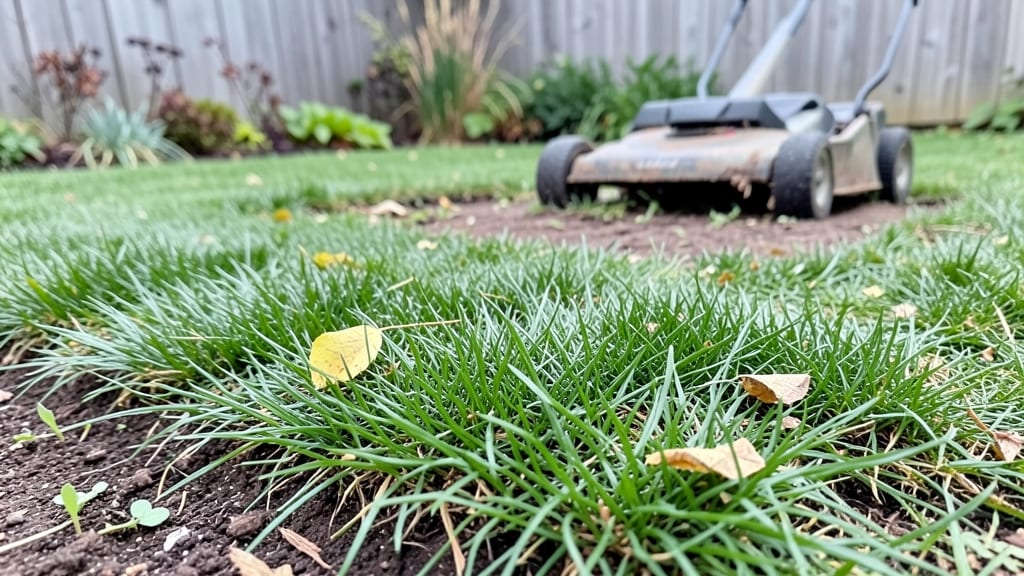
Grass clippings can grow new grass when they include intact root systems or crown nodes, but most standard clippings lack these critical parts. Only clippings with whole root bases (like those from low mowing) have the potential to regenerate, while typical grass cuttings break down instead. Returning them to your lawn as mulch enriches the soil more effectively.
This regrowth potential depends entirely on whether the clippings still contain the grass's growth centers—the crown (where leaves meet roots) and the root system.
When you mow too high, you sever these vital parts, leaving only leaf blades that can't regenerate. 🌱 The few clippings that might sprout new grass come from areas where you cut just above the soil line, preserving those growth nodes.
Even then, survival depends on moisture and sunlight—clippings left in dry shade won't take root.
Most lawn care experts recommend mulching clippings back into your lawn instead of bagging them. This practice returns essential nutrients like nitrogen to the soil, reducing the need for synthetic fertilizers. The decomposition process also improves soil structure over time, creating a healthier growing environment for your entire lawn.
For intentional regrowth, you could try laying clippings with intact roots on bare soil patches, but this works best in controlled settings rather than random lawn debris.
💡 In This Article
- How Grass Clippings Regrow: Root and Crown Biology
- Best Practices for Using Grass Clippings in Lawn Care
How grass clippings regrow: root and crown biology
The ability of grass clippings to regrow hinges on their crown nodes—the thickened base where leaves and roots meet. These nodes contain meristematic cells, the plant's growth engines, capable of producing new shoots and roots when conditions are right.
For clippings to sprout, they must include at least 1-2 inches of root system attached to the crown, providing both water storage and nutrient transport. Without these, the clipping becomes just organic matter, decomposing rather than regenerating. 🌱
Standard mowing typically severs these growth centers, leaving only leaf blades that lack the biological machinery to regenerate.
Even when clippings contain roots, survival depends on three critical factors: moisture levels (roots need at least 50% soil moisture to activate), sunlight exposure (direct light triggers photosynthesis in new shoots), and temperature (optimal regrowth occurs between 60-80°F).
Clippings laid on dry, shaded soil will wither within days, while those placed on moist, sunlit areas may develop new growth in 7-14 days.
Here's what happens when you try to regrow clippings with intact roots: the crown's meristematic cells detect moisture and begin dividing, forming new root hairs within 3-5 days. Simultaneously, lateral buds along the stem wake up, pushing through the soil surface as new shoots.
This process mirrors how sod spreads naturally, but on a smaller scale. The key difference is that clipping regrowth is unpredictable—only about 10-20% of clippings with roots will successfully sprout under ideal conditions.
Compare this to standard clippings: when you mulch them back, they decompose into a nutrient-rich mulch layer that releases 2-4 pounds of nitrogen per 1,000 sq ft annually. This organic matter improves soil structure by increasing porosity and water retention, creating a more hospitable environment for existing grass roots.
The decomposition process also introduces beneficial microbes that break down complex organic compounds into plant-available nutrients. This is why lawn care experts universally recommend mulching—it's a far more reliable way to recycle grass clippings than hoping for regrowth.
For intentional regrowth experiments, try this: collect clippings from the base of grass blades where the crown is visible, then lay them on bare soil patches with a thin layer of compost (about 1/4 inch) to retain moisture. Water gently but thoroughly to saturate the roots without displacing them.
Within 10-14 days, you may see tiny shoots emerging—proof that the biological machinery was still active. This method works best with cool-season grasses like Kentucky bluegrass or fescue, which have more robust crown structures than warm-season varieties like Bermuda grass.
What most people don't realize is that even "failed" clippings contribute to lawn health. When they decompose, they release potassium and phosphorus in addition to nitrogen, creating a balanced nutrient profile.
The physical act of mulching also reduces thatch buildup by 20-30% annually, allowing water and air to penetrate deeper into the soil. This dual benefit—nutrient recycling and soil improvement—makes mulching the gold standard for clipping management, regardless of whether you're hoping for regrowth or not. 💫