
Pests
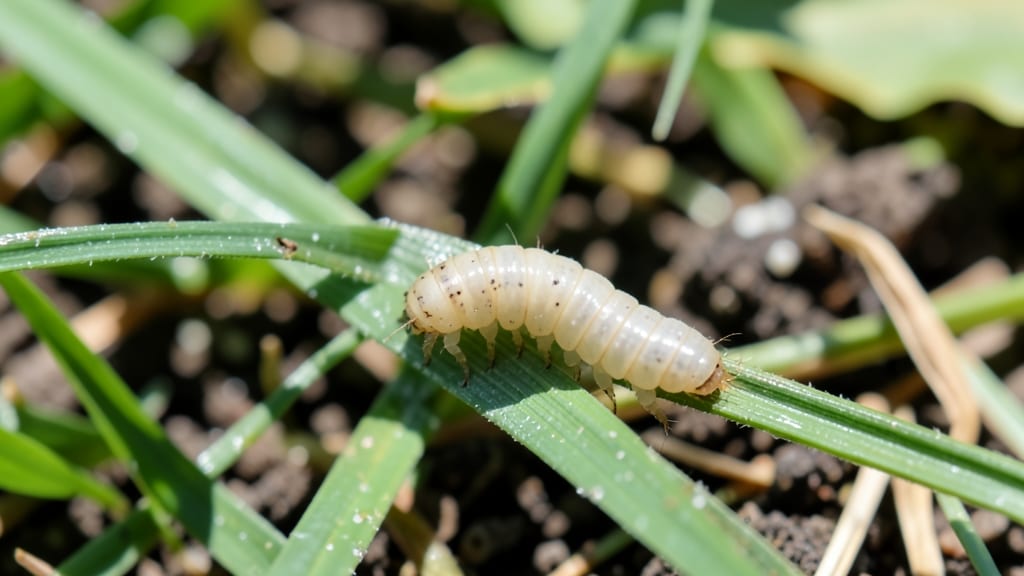
Learn how to get rid of grubs in your lawn naturally before they turn those lush green patches into chewed-up brown wastelands.
I've battled them for years, and the key to fast, natural control isn't complicated: it's about timing, the right predators, and a few simple lawn care tweaks that work within weeks, not months.
The worst part? You might not even know they're there until your grass starts pulling up like weeds. Japanese beetle grubs are the usual culprits, and they thrive in thick, moist soil—often right under your feet.
But here's the good news: nature already has a solution. Beneficial nematodes, milky spore bacteria, and even birds and toads can handle the job if you give them the right conditions.
In just 2-3 weeks, you can see grub populations drop dramatically with the right approach. The lawn thickens, roots strengthen, and those mysterious dead spots vanish. The secret is combining short-term fixes with long-term prevention—think of it as a two-prong attack that keeps your grass healthy year-round.
Whether you're dealing with a small patch or a full yard takeover, these methods work for any lawn size. Let's get those grubs gone for good—without a single chemical in sight.
Root Causes Of Lawn Grubs
Grubs—those C-shaped white larvae—can turn your lush lawn into a patchy, brown mess if left unchecked. But why do they suddenly appear in your yard? The answer lies in a mix of environmental factors, lawn health, and the life cycle of their parent pests.
Understanding these causes helps you prevent future infestations and address the problem at its source. Let’s break down the key reasons your lawn becomes a grub buffet.
🌱 Overwatered or over-fertilized grass
Grubs thrive in moist, nutrient-rich soil—exactly what overwatering and excessive fertilization create. Here’s why:
- Excess moisture: Grubs need hydration to survive, and soggy soil provides the perfect environment. If your lawn stays damp for long periods (especially after heavy watering or poor drainage), it signals to Japanese beetles and other grub-producing pests: "Move in!"
- High nitrogen levels: Fertilizers packed with nitrogen (like quick-release options) create a grub superhighway. The larvae feed on grass roots, but the extra nitrogen also attracts adult beetles to lay eggs in your lawn.
- Thatch buildup: A thick thatch layer (dead grass, roots, and debris) traps moisture and organic matter—grub heaven. It also shields eggs from predators like birds and beetles.
Pro tip: 💡 Water deeply but infrequently (1–1.5 inches per week) and use slow-release fertilizers to avoid spikes in nitrogen. Aim for a thatch layer no thicker than ½ inch.
🐞 Japanese beetle & other pest eggs
Grubs don’t appear out of nowhere—they’re the larvae of beetles, primarily the Japanese beetle, June beetle, and masked chafer. Here’s their sneaky life cycle:
| Stage | When It Happens | Why It’s Dangerous |
|---|---|---|
| Adult beetles emerge | Late spring to summer (May–July) | They feast on leaves (like roses and linden trees) but lay eggs in lawns near dusk. |
| Eggs hatch into grubs | 1–2 weeks after laying | Grubs burrow 1–4 inches deep, feeding on roots for 10–12 months. |
| Grubs pupate & return as beetles | Next spring/summer | If undisturbed, they double the infestation the following year. |
Key insight: If you see skeletonized leaves (chewed plants with veins left intact) on nearby trees or shrubs, adult beetles are likely nearby—and your lawn is their nursery.
🌦️ Warm, humid weather patterns
Grubs love heat and humidity. Here’s how climate plays a role:
- Ideal temperature range: Grubs develop fastest in soil temps between 70–85°F (21–29°C). If your region has hot, muggy summers, expect peak grub activity.
- Rainfall timing: Grubs need moisture to survive, but too much rain after beetles lay eggs (June–August) can trigger a population boom.
- Drought stress: Surprisingly, drought-stressed grass can also attract grubs. Weak roots make it easier for larvae to devour the lawn, and beetles target struggling turf for egg-laying.
Regional hotspots: 🌡️ Grubs are most common in the Midwest, Northeast, and Southeast U.S., where warm summers and humid soils create perfect conditions.
🍂 Poor lawn maintenance habits
Neglected lawns are grub magnets. Here’s how common mistakes invite infestations:
- Lack of aeration: Compacted soil limits root growth and traps moisture, creating a grub-friendly zone. Aerating once a year (spring or fall) disrupts their habitat.
- Mowing too short: Grubs hide in the thatched layer, and short grass exposes them to predators. But overly long grass also hides them from natural enemies like birds and toads.
- Ignoring thatch: A thick thatch layer (over ½ inch) protects eggs from drying out and shields grubs from treatments.
- Monoculture grass: Lawns with only one type of grass (like Kentucky bluegrass) are more vulnerable because grubs have a single food source with no competition.
Fix it: ✨ Mow at 3–4 inches, aerate annually, and consider diverse grass seed mixes to disrupt grub feeding patterns.
Now that you know why grubs take over, the next step is identifying the signs and choosing the right natural removal methods for your lawn. Stay tuned!
Natural Ways to Eliminate Grubs
Grubs may seem like a persistent lawn nuisance, but with the right approach, you can tackle them effectively—without harsh chemicals. Below are targeted solutions tailored to the most common causes of grub infestations, along with practical steps to restore your lawn’s health.
🔥 Overwatering or Poor Drainage? Fix It Now
Grubs thrive in soggy soil, so improving drainage is key. Here’s how:
💧 Improve Soil Aeration & Drainage
- Test your soil – Use a moisture meter or stick your finger 2-3 inches deep. If it’s damp for days, drainage is the issue.
- Aerate your lawn – Rent a core aerator (or use a manual spike aerator) to create holes for water and air to penetrate.
- Add organic matter – Mix in compost or peat moss to loosen compacted soil and improve water absorption.
- Adjust watering habits – Water deeply 2-3 times per week (early morning) instead of daily light sprinkles.
🌱 Encourage Beneficial Microbes
- Sprinkle mycorrhizal fungi (available at garden centers) to boost soil health and outcompete grubs naturally.
🍳 Lawn Too Thick with Thatched Grass? Thin It Out
A dense, thatchy lawn traps moisture and grubs. Thin it strategically:
✂️ Dethatch & Overseed
- Rake or dethatch – Use a lawn rake or dethatching tool to remove excess thatch (¼ inch or thicker).
- Overseed bare spots – Plant tall fescue or ryegrass (grub-resistant varieties) to fill gaps.
- Apply a light layer of compost – Helps new grass establish while deterring grubs.
🐛 Introduce Natural Predators
- Soldier beetles, ground beetles, and birds eat grubs. Attract them with:
- Diverse planting (clover, dandelions, or wildflowers).
- Bird-friendly feeders near your lawn.
👨🍳 Grubs Already Feeding? Act Fast
If you’ve spotted yellowing patches, spongy turf, or moles digging, grubs are active. Try these non-toxic fixes:
🔪 Handpick or Trap Them (Best for Small Lawns)
- Water the lawn – Soak the soil to make grubs rise to the surface.
- Inspect & remove – Use a trowel or fork to flip turf sections and pick off grubs (wear gloves!).
- Drown them – Place grubs in a bucket of soapy water to dispose of them.
🌡️ Use Heat or Cold to Kill Grubs
- Solarization (for small areas):
- Cover infested patches with clear plastic for 4-6 weeks in summer (sun heats soil to lethal temps).
- Freeze susceptible grubs (late fall/early spring):
- Water the lawn, then cover with thick mulch or cardboard for 24-48 hours to drop temps below freezing.
🎯 Prevent Future Infestations Long-Term
Stop grubs before they start with these proactive steps:
💡 Choose Grub-Resistant Grass
- Tall fescue, perennial ryegrass, and buffalo grass are less appealing to grubs than St. Augustine or Kentucky bluegrass.
🌿 Maintain a Healthy Lawn Ecosystem
- Mow high (3-4 inches) to shade soil and deter egg-laying.
- Avoid synthetic fertilizers – Over-fertilizing attracts grubs. Use slow-release organic options instead.
- Apply nematodes (beneficial worms):
- Heterorhabditis bacteriophora nematodes paralyze and kill grubs naturally. Apply in early summer or fall when grubs are young.
✨ Monitor & Act Early
- Check for grubs in spring/fall – Dig a small patch of turf; if you find 5+ grubs per square foot, treat immediately.
- Use grub traps – Bury a soda can halfway in the lawn, fill with soapy water, and check for grubs after 24 hours.
⚠️ When to Call a Pro
If your lawn is severely damaged (50%+ dead patches) or grubs persist despite treatments, consider:
- Professional soil testing to rule out other issues (fungus, pests).
- Targeted organic pest control (e.g., milky spore bacteria for Japanese beetle grubs).
Remember: Patience and consistency are key. With these methods, you’ll break the grub cycle and enjoy a thriving, chemical-free lawn in no time! 🌱🐛🚫
Frequently asked questions
How do I know if my lawn has grubs and not just drought damage?
Look for spongy turf that pulls up easily (like sod) or mole tunnels in the yard. Dig a small patch—if you find 5+ white, C-shaped larvae per square foot, those are grubs. Unlike drought damage, grub damage often appears in irregular patches rather than uniform browning.
Can I use coffee grounds to get rid of grubs naturally?
Coffee grounds won’t kill grubs directly, but they can help improve soil health and deter some pests. Sprinkle used grounds around your lawn, but focus on nematodes or milky spore bacteria for direct grub control. The best approach? Combine coffee grounds with aeration and overseeding to create an unwelcoming environment for grubs.
What’s the best time of year to treat grubs naturally?
Target treatments in early summer (June) or fall (September-October) when grubs are young and most vulnerable. Avoid treating in winter—grubs go dormant, and treatments won’t work. For nematodes, apply when soil temps are between 55–85°F for best results.
Will chickens or ducks eat grubs in my lawn?
Chickens and ducks love grubs and will happily dig them up. Let them forage in your yard for 1–2 hours in the morning, then move them to a contained area. Just avoid overgrazing—too much pecking can damage your grass. For a smaller yard, consider attracting natural predators like toads or ground beetles instead.
How long does it take to see results after using nematodes?
You’ll start seeing a difference in 2–4 weeks, but full results take 6–8 weeks as nematodes multiply. Reapply every 4–6 weeks during grub season (spring to fall) for best control. Combine with aeration and overseeding to speed up recovery and strengthen your lawn’s defenses.