
Companion Plants
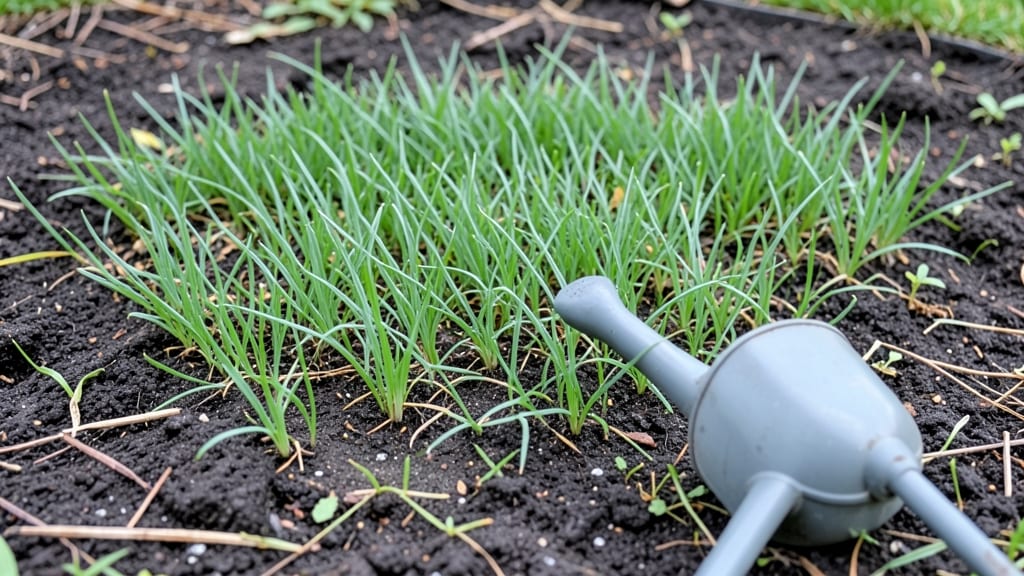
You should plant grass seed in the fall when soil temperatures fall between 60–75°F, generally landing between late August and early October in most U.S. regions, as this window lets roots strengthen before winter dormancy while cooler air reduces evaporation and weed competition.
The best time to plant grass seed in fall aligns with nature's rhythm—when daytime warmth lingers but nights grow cooler.
This balance ensures seeds germinate without stress, while established roots can endure winter's chill. 🌱 For instance, cool-season grasses like Kentucky bluegrass thrive in these conditions, often yielding thicker lawns by spring than spring plantings.
Regional variations matter too: Northern climates may need earlier planting, while Southern zones can extend into November.
What sets fall apart is the reduced competition from weeds and pests, plus the soil's natural moisture retention after summer rains. I've seen firsthand how a properly timed fall seeding can outperform spring efforts, especially in areas with hot, dry summers where spring planting often struggles with drought stress.
💡 In This Article
- Optimal Soil Temperature Ranges for Fall Grass Seed Germination
- Fall Planting Checklist by U.S. Climate Zone
Optimal soil temperature ranges for fall grass seed germination
Here's what's actually happening beneath the surface: cool-season grass seeds like tall fescue and perennial ryegrass require soil temperatures between 55–75°F to trigger germination, with 60–70°F being the sweet spot for consistent sprouting.
This range activates enzymes within the seed that break down stored starches into sugars, fueling the early root growth critical for survival. The process mirrors how a seedling in a greenhouse thrives under controlled warmth—just without the artificial lighting.
The science gets even more precise when you consider that soil warms more slowly than air. While daytime temperatures might dip into the 50s°F in early fall, the top 1–2 inches of soil (where most seeds germinate) often stays 10–15°F warmer due to residual summer heat.
This is why planting in late afternoon—when soil has absorbed maximum daytime warmth—can give seeds that crucial 1–2°F advantage over morning planting. Think of it like timing a race: you want your seed to get the warm-up lap before the competition (weeds, frost) begins.
USDA hardiness zones play a massive role in determining your window. In Zones 3–5 (northern climates), you might start as early as mid-August when soil temps hover around 65°F, while Zones 7–9 can extend planting until mid-November thanks to milder winters.
The key is avoiding both extremes: planting too early when soil is still 80°F+ stresses seeds with rapid moisture loss, while waiting too long risks seeds encountering 40°F soil, which halts germination entirely. It's a Goldilocks scenario for your lawn's future.
Moisture retention becomes equally critical during this phase. Cool fall air reduces evaporation, but the soil's ability to hold water depends on its organic matter content.
A well-prepared seedbed with 2–3% organic material can maintain ideal moisture levels for 4–6 weeks after planting—long enough for roots to reach 1–2 inches deep. Without this preparation, seeds may germinate but struggle to establish, leading to patchy growth.
Imagine planting a seed in dry sand versus damp peat moss: one thrives, the other withers before it begins.
What most people don't realize is how grass types interact with these temperatures. Fine fescue, for example, germinates best at 55–65°F and tolerates cooler soils, making it ideal for Zones 4–6. In contrast, tall fescue prefers 60–70°F and handles southern climates better.
This explains why seed mixes often include multiple varieties—each adapted to slightly different temperature ranges within the fall window. It's like assembling a sports team where each player has a specific role in the game conditions.
One final pro tip: use a soil thermometer to verify temperatures at 2-inch depth (where most seeds will be). I've seen cases where surface temps read 70°F at noon but dropped to 55°F by evening—perfect for germination one day but too cool the next.
This daily fluctuation is normal in fall, but knowing your soil's actual temperature takes the guesswork out of timing. 🌱