
Lawn
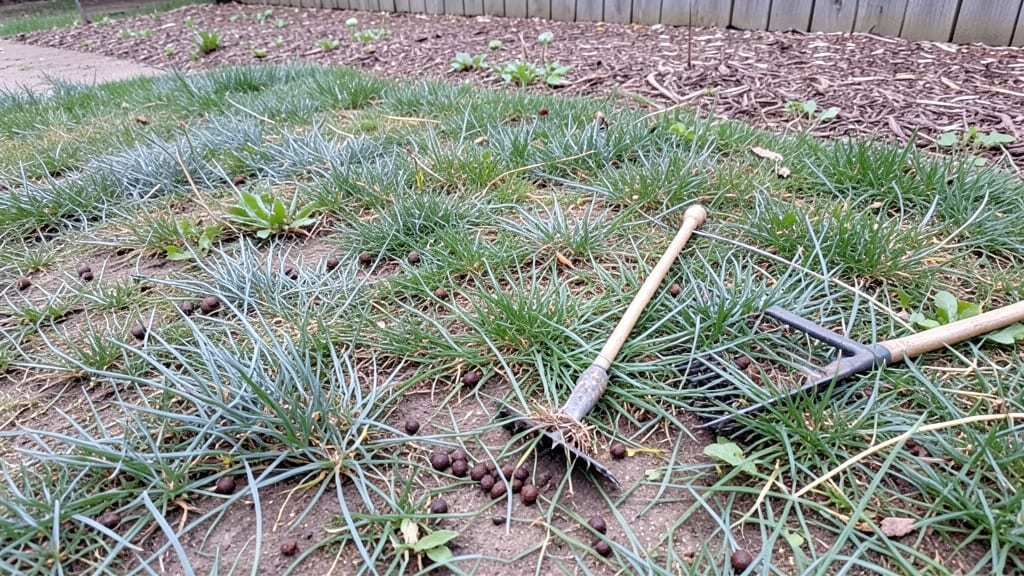
Your lawn’s spring revival starts with bringing grass back to life—and it’s simpler than you think. I’ve nursed back more patchy, brown lawns than I can count, and the secret isn’t expensive treatments or fancy tools—it’s timing, a few key steps, and knowing what your grass actually needs.
The difference between a sad, patchy yard and a lush, green carpet comes down to three focused actions that work even on stubborn spots.
Most lawns suffer from the same hidden problems: shallow roots from inconsistent watering, compacted soil from foot traffic, or nutrient starvation after a tough winter. I’ve seen drought-stressed grass bounce back in just two weeks once we fixed the root causes—no magic potions required.
The tools you’ll need are basic: a rake, a watering can or hose with a gentle spray nozzle, and maybe a core aerator if your soil feels rock-hard. Organic fertilizer or compost can work wonders, but even a simple lawn food does the job if you’re on a budget.
By the end of spring, you’ll have grass that’s so thick and green it makes your neighbors jealous—no more bare patches or that sad, patchy look. The best part? These steps work whether you’re dealing with drought damage, dog urine burns, or just general winter wear.
You’ll know exactly when to water, how to loosen compacted soil without backbreaking work, and which grasses to overseed for a full, uniform look. Let’s get that lawn looking like it did in the good old days.
This plan adapts to your yard’s size and type—whether you’ve got a small front yard or a sprawling backyard. The key is starting now, before summer heat sets in.
Once you see those first green shoots push through, you’ll wonder why you didn’t do this sooner. Ready to roll up your sleeves? The grass is waiting.
The Hidden Reasons Your Grass Fades
If your lawn looks more like a patchy desert than a lush green carpet, don’t blame your green thumb just yet. Several sneaky factors can drain life from grass, leaving it dull, brown, or even dead.
Understanding these culprits is the first step to revival—and keeping your yard thriving long-term. Here’s why your grass might be struggling, backed by science and actionable insights.
🌞 Too Much (or Too Little) Sunlight
Grass is a sun-lover, but balance is key. Excessive sunlight can scorch blades, especially during heatwaves, while shade deprivation starves roots of energy. Most cool-season grasses (like Kentucky bluegrass) need 4–6 hours of direct sun daily, while warm-season types (like Bermuda grass) thrive in 6–8 hours.
- Signs: Yellowing tips, crispy edges, or slow growth in shaded spots.
- Fix:
- Adjust mowing height—taller grass (3–4 inches) shades soil better in heat.
- Prune overhanging trees to improve airflow and light distribution.
- Consider shade-tolerant grasses (e.g., fine fescue) for dark corners.
💧 Water Woes: Over or Under
Watering is an art, not a science—but most of us either drown or dehydrate our lawns. Grass roots need deep, infrequent watering (1–1.5 inches per week) to encourage growth, not shallow, daily sprinkles that promote fungal diseases.
- Signs: Wilting, blue-gray hues (underwatering) or mushroom sprouts (overwatering).
- Fix:
- Water early morning (4–8 AM) to reduce evaporation and fungal risk.
- Check soil moisture: Stick a screwdriver 4–6 inches deep—if it’s dry, water; if wet, wait.
- Upgrade to soaker hoses or drip irrigation for even distribution.
🌱 Soil Struggles: Poor Nutrition or Compaction
Grass is only as strong as its soil. Compacted soil smothers roots, while nutrient deficiencies (like nitrogen, phosphorus, or potassium) leave grass weak and yellow.
| Problem | Signs | Solution |
|---|---|---|
| Compaction | Puddles after rain, spongy feel, shallow roots. | Aerate in fall/spring with a core aerator ($50–$100 to rent). Top-dress with compost. |
| Low Nitrogen | Pale green or yellow blades. | Apply a slow-release fertilizer (e.g., 24-0-4) in early spring. |
| pH Imbalance | Slow growth, moss invasion (pH < 6.0) or brown tips (pH > 7.5). | Test soil (kits cost $10) and amend with lime (raise pH) or sulfur (lower pH). |
🐜 Pests and Diseases: Silent Saboteurs
Grass isn’t just fighting the elements—it’s battling invisible enemies. Insects like grubs and chinch bugs chew roots, while fungi (e.g., dollar spot) create circular dead patches.
- Signs:
- Grubs: Brown patches that lift easily (like a carpet).
- Fungus: White or pink threads on blades in damp weather.
- Weeds: Thick patches where grass thins (often due to stress).
- Fix:
- Handpick grubs or use beneficial nematodes (natural predators).
- Prevent fungus with fungicide (early spring/fall) or cornmeal (a natural fungicide).
- Pull weeds before they seed—use a dandelion digger for deep roots.
✂️ Mowing Mistakes: Cutting Too Short or Too Often
Scalping grass (mowing below 2 inches) stresses roots and invites weeds, while leaving clippings can suffocate soil if thatched. The 1/3 rule applies: Never remove more than one-third of the blade height at once.
- Signs: Yellowing, exposed soil, or a "lawn-like" (but weak) appearance.
- Fix:
- Adjust mower height to 3–4 inches for cool-season grass; 1–2 inches for warm-season.
- Mow when grass is dry (wet clippings clump) and sharp blades (ragged cuts invite disease).
- Leave clippings if less than 1/3 of blade height—they return nutrients!
💡 Pro Tip: Keep a lawn journal to track watering, mowing, and weather patterns. Spotting trends (e.g., "grubs appear after July") helps you act before damage spreads.
Revive Your Lawn Naturally
Now that you know the culprits behind your dull, lifeless grass, it’s time to roll up your sleeves and bring it back to vibrant green glory! Below are practical, step-by-step solutions tailored to the most common causes—plus prevention tips to keep your lawn thriving long-term.
🔥 Fix Brown Patches from Overwatering or Underwatering
Problem: Too much or too little water can leave your grass struggling, with patches turning brown or yellow.
Solution:
- 💧 Check the Soil Moisture
- Stick your finger 2 inches deep into the soil. If it’s bone-dry, water deeply (1–1.5 inches) until the top 6 inches are moist. If it’s soggy, hold off on watering and let it dry out.
- Pro Tip: Water early in the morning (4–8 AM) to reduce evaporation and fungal risks. 🌞
- 🌱 Adjust Your Watering Schedule
- Overwatered grass? Let the top 2–3 inches dry out before watering again. Aerate compacted soil to improve drainage.
- Underwatered grass? Water slowly and deeply (2–3 times per week) rather than frequent shallow sprinkles.
- 🔄 Improve Drainage (If Needed)
- If water pools after rain, consider sanding the lawn (top-dress with a mix of sand and compost) or installing a French drain in low spots.
Prevention: ✔️ Invest in a soil moisture meter to avoid guesswork. ✔️ Water only when necessary—most lawns need less than you think!
🍳 Rescue Thinning Grass from Poor Soil or Foot Traffic
Problem: Bare spots or weak, sparse grass often mean compacted soil, poor nutrition, or heavy use.
Solution:
- 🌿 Overseed the Bare Areas
- Rake out debris and loosen soil with a garden fork or lawn aerator.
- Sprinkle high-quality grass seed (match it to your existing grass type) and lightly cover with straw or compost.
- Keep moist (not soggy) for 10–14 days until new growth appears.
- 💪 Feed with the Right Fertilizer
- Use a slow-release, balanced fertilizer (like 16-4-8) in early spring or fall.
- For fast recovery, try a liquid iron supplement (like Ironite) to boost greenness in 24–48 hours.
- 👨🍳 Reduce Soil Compaction
- Rent a core aerator (or use a garden fork) to pull out soil plugs, then top-dress with compost to improve texture.
- Lightly rake in the compost and water well.
Prevention: ✔️ Walk on different paths to avoid compacting the same spots. ✔️ Top-dress annually with compost to keep soil healthy.
🥘 Fix Yellowing Grass from Nutrient Deficiencies
Problem: Pale or yellow grass often signals a lack of nitrogen, iron, or other essential nutrients.
Solution:
- 📊 Diagnose the Deficiency
- Yellow with dark green veins? → Iron deficiency (common in alkaline soils).
- Overall pale green? → Nitrogen deficiency (most common).
- Purple or red tinges? → Phosphorus or potassium deficiency.
- 💊 Apply Targeted Amendments
- For iron: Use a chelated iron supplement (like Ironite) every 4–6 weeks.
- For nitrogen: Spread organic matter (compost, manure) or use a quick-release fertilizer (like 24-0-4).
- For phosphorus/potassium: Try a balanced fertilizer (like 10-10-10) or bone meal (for phosphorus).
- 🌱 Improve Soil pH (If Needed)
- Test your soil (kits are cheap and easy). If pH is too high (alkaline), add sulfur or peat moss to lower it.
- If pH is too low (acidic), sprinkle lime in fall.
Prevention: ✔️ Test soil every 2–3 years and adjust nutrients accordingly. ✔️ Mulch grass clippings to return nutrients to the soil naturally.
⏰ Stop Weeds and Fungal Issues from Spreading
Problem: Weeds and fungi (like brown patch or dollar spot) can choke out your grass if left unchecked.
Solution:
- 🔪 Hand-Pull or Spot-Treat Weeds
- For broadleaf weeds (dandelions, clover), use a vinegar-based spray (1 gallon vinegar + 1 oz dish soap) on sunny days.
- For grassy weeds (crabgrass), apply a pre-emergent herbicide in early spring.
- 🍄 Fight Fungal Infections
- Rake up dead patches and dispose of them (don’t compost if fungus is present).
- Apply a fungicide (like BioAdvanced Fungus Control) or a baking soda spray (1 tbsp baking soda + 1 gallon water) for mild cases.
- Improve airflow by mowing higher (3–4 inches) and thinning dense areas.
- 🌡️ Prevent Future Outbreaks
- Water early in the day to let grass dry quickly.
- Avoid over-fertilizing with nitrogen, which fuels fungal growth.
Prevention: ✔️ Mow regularly (never remove more than ⅓ of the blade at once). ✔️ Aerate annually to reduce thatch buildup (a fungus magnet).
Final Thought: Most lawns recover within 2–4 weeks with consistent care! Start with one fix at a time, monitor progress, and adjust as needed. Before you know it, your grass will be lush, green, and back to its best—no dead patches in sight! 🌱✨
Frequently asked questions
How long does it take to see results after reviving my lawn?
With consistent care, you’ll typically notice new green growth within 10-14 days of proper watering and fertilization. For severely damaged areas, expect full recovery in 4-6 weeks once you address the root causes like compaction or nutrient deficiencies. Patience is key—focus on one repair step at a time for best results.
Can I use household items to revive my grass instead of buying fertilizer?
Coffee grounds (for nitrogen), eggshells (crushed for calcium), and grass clippings (mulched) work as natural fertilizers. For a quick fix, mix 1 part compost with 2 parts soil and spread over bare patches. Just avoid overdoing it—organic amendments break down slowly and may need reapplication every 2-3 months.
What’s the best time of year to revive a struggling lawn?
Early spring (March-April) and fall (September-October) are ideal because soil is warm enough for roots to grow but not scorching. Avoid summer heatwaves or winter dormancy periods—your grass won’t respond as quickly. If you’re in a mild climate, late summer can work too, but prioritize watering deeply during these months.
Why does my grass stay brown even after watering and fertilizing?
Persistent brown patches often signal deeper issues like soil compaction, fungal disease, or hidden pests. Check for grubs by lifting a small section of sod—if you see white larvae, treat with beneficial nematodes. For fungal issues, improve airflow by mowing higher and avoid watering at night. A soil test ($10 kit) can reveal pH or nutrient imbalances too.