
Lawn
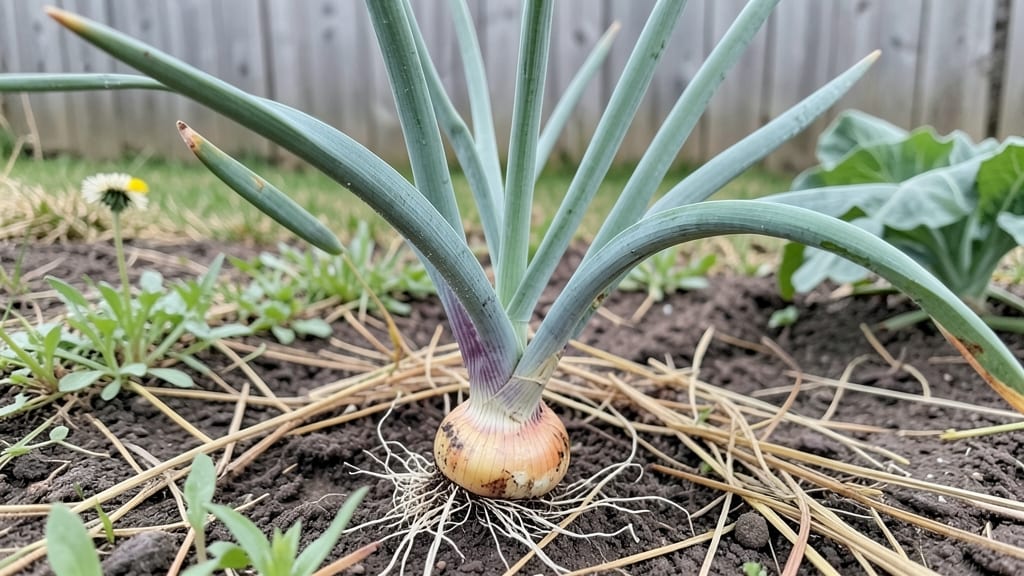
When onion grass roots take over your lawn, the battle isn’t just about looks—it’s about reclaiming that lush, even green you love. 🌱 I’ve spent years wrestling with this stubborn weed, and I’ve learned the tricks to starve it out without poisoning your soil or breaking the bank.
The key? Understanding its growth cycle and hitting it at the right time.
This grass thrives in thin lawns, so the first step is actually strengthening your turf. Overseed bare spots in early fall, when temperatures dip to 50-60°F, and keep the soil moist until new grass fills in.
Mowing high—3-4 inches—shuts out sunlight to the onion grass roots while giving your lawn a fighting chance. It’s a slow process, but every inch you reclaim is worth it.
For stubborn patches, dig up the roots by hand in early spring or fall when they’re shallow. The trick is to get every last bit—even a scrap left behind will regrow.
I’ve also had success with a vinegar-based spray (3 parts vinegar, 1 part dish soap) on dry days, but test it on a small patch first. Patience is everything here; it can take a full season to see real progress.
Once you’ve got the upper hand, focus on prevention. Aerate your lawn annually in early fall, top-dress with compost, and water deeply but infrequently to encourage deep roots. A thick lawn leaves no room for onion grass to sneak in.
The payoff? A lawn so dense and healthy, weeds stand out like sore thumbs—making them easy to pull before they take hold.
Understanding Root Stress Factors
If your onion grass (or any lawn) is struggling to thrive, the issue often starts below the surface—literally. Root health is the foundation of a lush, resilient lawn, and when roots weaken, the grass above suffers.
Let’s break down the key culprits behind root stress and why they sabotage your turf’s growth.
🌱 Poor soil conditions
Roots need the right environment to grow strong, and soil quality plays a huge role. Compacted, nutrient-poor, or improperly drained soil can strangle root development in several ways:
- Compaction: Heavy foot traffic, machinery, or clay-heavy soil crushes soil particles, reducing oxygen and water flow. Roots suffocate, grow shallow, and become highly susceptible to disease and drought.
- Low Organic Matter: Soil without enough compost, decomposed plant material, or microbial activity lacks essential nutrients like nitrogen, phosphorus, and potassium. Roots weaken, leading to yellowing or stunted growth.
- pH Imbalances: Onion grass (and most grasses) prefer a neutral to slightly acidic soil (pH 6.0–7.0). If your soil is too alkaline (>7.5) or acidic (<5.5), nutrient uptake plummets. For example, iron and manganese become locked in alkaline soil, causing chlorosis (yellowing) even if roots are present.
Actionable Fix: Test your soil (DIY kits or lab tests) and amend with gypsum for compaction, compost for organic matter, or lime/sulfur to adjust pH.
💧 Watering woes
Watering is a balancing act—too little or too much can both harm roots. Here’s how:
- Underwatering: Shallow watering (e.g., light sprinkles daily) encourages roots to stay near the surface, making them vulnerable to heat and drought. Deep roots (6+ inches) are drought-resistant; shallow roots aren’t.
- Overwatering: Soggy soil cuts off oxygen, leading to anaerobic conditions where roots suffocate. Fungal diseases like Fusarium or Rhizoctonia thrive in waterlogged soil, rotting roots from the inside out.
- Irregular Watering: Alternating between drought and flood stress forces roots to constantly adapt, weakening their structure over time.
Actionable Fix: Water deeply 1–2 times per week (1–1.5 inches per session) and check soil moisture 3 inches down—if it’s dry, water again. Use a soaker hose or drip irrigation for even distribution.
🪴 Nutrient deficiencies
Grass roots are hungry—they need a steady supply of nutrients to grow. When they’re starved, the whole plant suffers. Common deficiencies include:
| Nutrient | Symptoms | Why It Happens |
|---|---|---|
| Nitrogen (N) | Pale green or yellowish grass, weak stems | Nitrogen fuels leaf and root growth. Without it, roots can’t expand, and the grass becomes thin and weak. |
| Phosphorus (P) | Dark green leaves but stunted roots, slow recovery after stress | Phosphorus is critical for root development and energy transfer. Deficient soil leads to shallow, sparse roots. |
| Potassium (K) | Brown leaf tips, weak root structure, disease susceptibility | Potassium regulates water and disease resistance. Low levels make roots prone to damage and slow recovery. |
| Micronutrients (Iron, Zinc, Manganese) | Yellowing between veins (chlorosis), brittle roots | These trace minerals act as enzymes for root growth. Without them, roots can’t absorb water or nutrients efficiently. |
Actionable Fix: Conduct a soil test to identify deficiencies, then fertilize with a balanced lawn fertilizer (e.g., 16-4-8). For micronutrients, use chelated iron or a compost tea.
🐜 Pest & disease pressure
Roots aren’t just affected by environmental factors—they’re also under siege from hidden threats:
- Grubs & Larvae: Japanese beetle grubs and other soil-dwelling pests munch on roots, creating brown patches that pull up easily. Heavy infestations can kill roots entirely.
- Fungal Pathogens: Diseases like Take-All Root Rot or Brown Patch attack roots, causing them to darken, rot, and slough off. Warm, humid conditions worsen outbreaks.
- Weed Competition: Aggressive weeds (e.g., crabgrass, nutsedge) steal water and nutrients, strangling grass roots in the process.
Actionable Fix:
- Treat grubs with beneficial nematodes or imidacloprid (follow label instructions).
- Improve airflow with core aeration to prevent fungal growth.
- Pre-emergent herbicides in spring can block weeds before they compete with grass roots.
🌡️ Environmental stressors
Extreme conditions can shock roots into dormancy or damage them permanently. Watch for:
- Heat & Drought: Prolonged heat causes roots to recede and become brittle. Grass may go dormant to survive, but repeated stress weakens recovery.
- Cold & Freeze Damage: Sudden freezes can rupture root cells, especially in young or thin grass. Thatch buildup insulates roots but can also trap excess moisture and cause rot.
- Salt or Chemical Burn: Road salt, herbicides, or fertilizers misapplied can scorch roots, preventing nutrient absorption. Even "safe" chemicals can harm roots if overused.
Actionable Fix:
- During drought, water deeply every 7–10 days to encourage deep root growth.
- In winter, avoid heavy foot traffic on frozen ground to prevent root compaction.
- Flush soil with water after salt/chemical exposure to dilute residues.
Root stress is rarely caused by one factor—it’s usually a combination of poor soil, water mismanagement, and neglect. The good news? With targeted fixes, you can revive your onion grass
Revive Your Lawn Naturally Now
If your lawn’s onion grass roots are struggling—whether from disease, poor soil, or environmental stress—don’t despair. With the right steps, you can nurse them back to health and restore that lush, green carpet.
Below, we break down the most common causes and the practical fixes to get your grass thriving again.
🌱 Fixing Weak or Stunted Roots
If your grass looks thin or patches are dying, the roots might be weak or shallow. Here’s how to strengthen them:
🔥 Boost Soil Nutrition
Weak roots often mean nutrient deficiencies. Conduct a simple soil test (available at garden centers) to check for low nitrogen, phosphorus, or potassium. Then:
- Apply compost: Spread ¼ inch of well-aged compost over the lawn and lightly rake it in. This improves soil structure and adds organic matter.
- Use a balanced fertilizer: Choose a slow-release, organic fertilizer (like 10-10-10) and apply it in early spring or fall.
- Top-dress with sand: If your soil is too compacted, mix in coarse sand (like horticultural sand) to improve aeration.
💧 Deep Watering for Stronger Roots
Shallow watering encourages shallow roots. Instead:
- Water deeply 2-3 times per week (early morning is best) to encourage roots to grow downward.
- Use a soaker hose or sprinkler that delivers 1-1.5 inches of water per session.
- Avoid frequent light watering—this leads to weak, surface-level roots.
🚨 Treating Root Diseases & Pests
If your grass has brown patches, mold, or chewed blades, disease or pests could be attacking the roots. Act fast with these solutions:
🍄 Fungal Disease? Try These Remedies
Common fungal issues like brown patch or dollar spot thrive in damp conditions. To combat them:
- Improve drainage: If water pools after rain, amend the soil with perlite or gypsum to break up clay.
- Apply fungicide: Use a natural option like neem oil or a copper-based fungicide for severe cases.
- Mow higher: Keep grass at 3-4 inches tall to reduce fungal spores’ access to roots.
🐜 Pest Problems? Target the Culprits
Grubs, chinch bugs, or nematodes can devastate roots. Identify the pest first, then:
| Pest | Signs | Fix |
|---|---|---|
| Grubs | Soggy patches, ants marching on blades | Apply beneficial nematodes or milky spore bacteria. |
| Chinch Bugs | Yellow/brown patches, especially near sidewalks | Use diatomaceous earth or insecticidal soap. |
| Nematodes | Wilted grass, stunted growth | Plant marigolds (natural repellent) or use Bacillus firmus bacteria. |
🌡️ Preventing Future Root Struggles
Once your lawn is back on track, keep it healthy with these proactive tips:
💡 Long-Term Soil Care
- Test soil annually: pH should be 6.0-7.0 for most grasses. Adjust with lime (to raise pH) or sulfur (to lower it).
- Aerate every 1-2 years: Rent a core aerator to relieve compacted soil and help roots breathe.
- Avoid heavy foot traffic: Walk on paths or limit play on the lawn to prevent soil compaction.
✨ Seasonal Maintenance Checklist
| Season | Task |
|---|---|
| Spring | Apply pre-emergent herbicide (if needed), fertilize, and overseed thin spots. |
| Summer | Water deeply, mow high, and watch for pests/disease. |
| Fall | Rake out thatch, aerate, and apply winter fertilizer. |
| Winter | Leave grass clippings (as mulch) and avoid heavy equipment. |
With patience and the right care, your onion grass roots (or any lawn type) can bounce back stronger than ever. Start with one or two fixes, monitor progress, and adjust as needed. Soon, you’ll have a lawn so green, neighbors will ask for your secret! 🌿💚
Frequently asked questions about onion grass roots
Why does onion grass spread so aggressively in my lawn?
Onion grass thrives because its fibrous root system spreads horizontally through underground runners called rhizomes. These roots can extend up to 3 feet from the parent plant, making it nearly impossible to eradicate without digging deep. Thin lawns with bare spots give it the perfect opportunity to take over, as it competes aggressively for sunlight and nutrients.
Can I kill onion grass roots naturally without chemicals?
Yes! Start by improving your lawn's health—overseed bare patches in early fall and mow high (3-4 inches) to shade out the weed. For stubborn patches, use a vinegar-based spray (3 parts vinegar, 1 part dish soap) on dry days. Another option is solarization: cover the area with clear plastic for 4-6 weeks in summer to bake the roots. Patience is key—it may take a full season to see results.
How do I know if I'm dealing with onion grass or just thin lawn grass?
Onion grass has a distinctive onion-like odor when crushed and produces small, seed heads that resemble wild onions. Unlike regular grass, it often grows in clumps and pulls up easily with a chunk of root attached. If your lawn has patchy, uneven growth with these characteristics, it's likely onion grass. For confirmation, dig up a small sample and check the roots.
Will herbicides work on onion grass roots, and which ones are best?
Systemic herbicides like glyphosate or triclopyr can kill onion grass roots, but they also harm desirable grass. For spot treatment, use a selective herbicide like mesotrione (found in products like Tenacity) during active growth (spring or fall). Always follow label instructions and consider professional application for large areas to avoid damaging your lawn.
How often should I check for onion grass regrowth after treatment?
Monitor your lawn every 2-4 weeks during the growing season (spring and fall) for new shoots. Onion grass can regenerate from even small root fragments, so pull any new growth immediately. In late summer, apply a pre-emergent herbicide to prevent seeds from germinating. Consistent vigilance is the best way to keep it from returning.